The Car Tech That Sounds Fake But Is Real
Cars have changed a lot over the years. Once upon a time, having electric windows felt fancy. Then Bluetooth arrived and everyone acted like the future had landed.
Now? Cars can power your camping equipment, warm up their own batteries before charging, light up the road without dazzling other drivers, park themselves, update like a smartphone and even project information onto the windscreen.
Some of it sounds like something from a sci-fi film. But it is real, and more of this technology is starting to appear in the cars people can actually lease today.
So, let’s look at the car tech that sounds fake, but very much exists.
Vehicle-to-load: when your car becomes a giant power bank
Vehicle-to-load, often shortened to V2L, is one of those features that sounds made up until you see it working.
In simple terms, it allows an electric car to power external devices using energy from the car’s battery. That could mean charging a laptop, powering tools, running camping equipment or plugging in other electrical items when you are away from a normal power supply.
It is basically like having a massive portable charger on wheels.
For business users, this could be handy on-site. For families, it could be useful on road trips, camping weekends or days out. For anyone who likes a bit of clever tech, it is just a very cool party trick.
And the best bit? It is not some wild future idea. A number of modern EVs already offer vehicle-to-load capability, depending on the model and specification.
Battery preconditioning: the car gets itself ready to charge
This one sounds boring at first, but it is actually very clever.
Battery preconditioning means an electric car can warm or cool its battery before charging. Kia explains that preconditioning helps the battery reach its ideal operating temperature, which can improve charging speed, performance and long-term battery health, especially before using DC fast chargers.
That means the car is not just sitting there waiting to be plugged in. It can actively prepare itself so charging works more efficiently.
Think of it like stretching before exercise. The car is getting the battery ready before the big rapid-charging session.
For EV drivers, this matters because temperature can affect charging speed. A cold battery may not charge as quickly as expected, especially in winter. Preconditioning helps make the whole experience feel smoother and less frustrating.
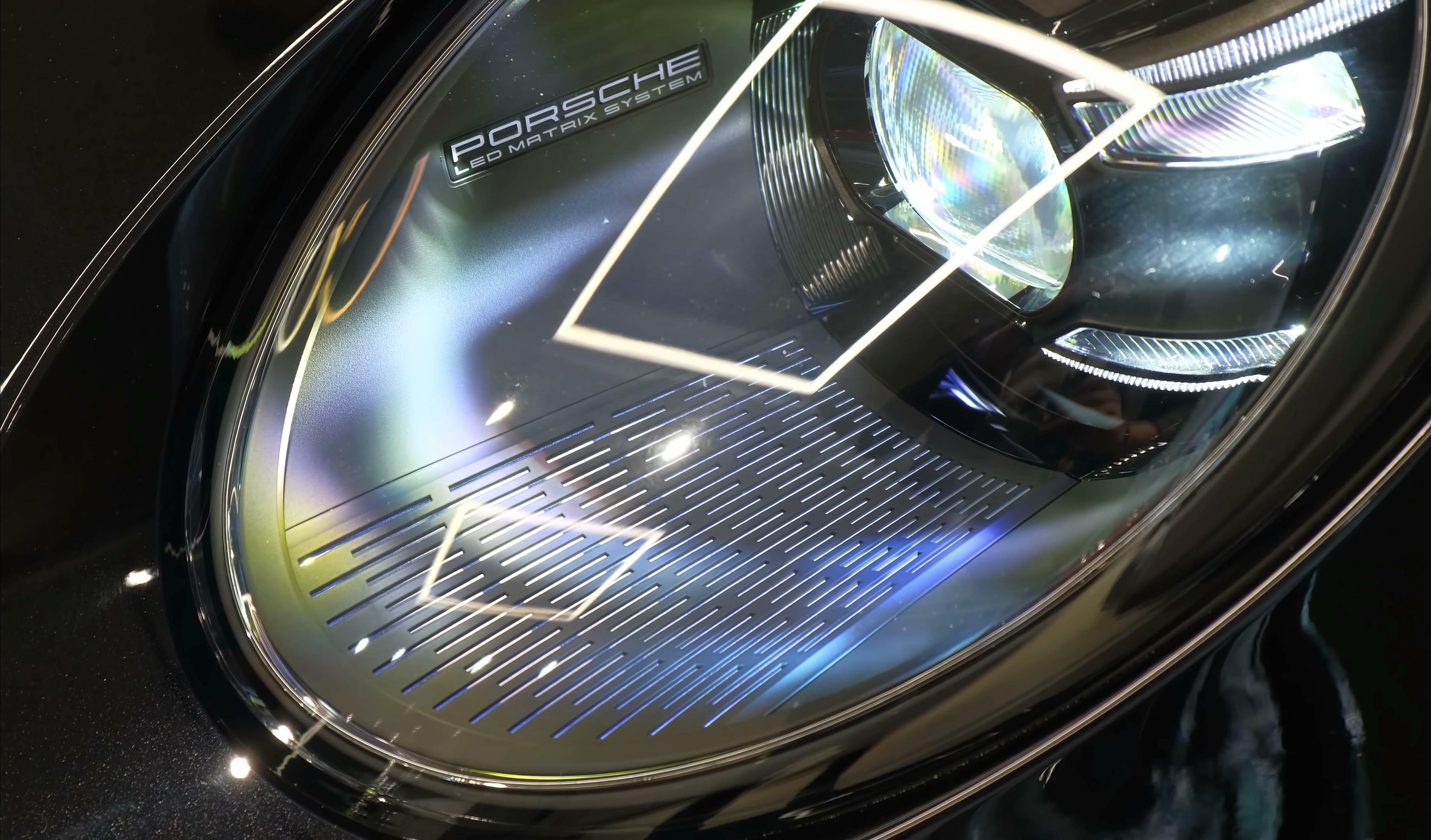
Matrix headlights: lights that dodge other drivers
Headlights used to be simple. You had dipped beam, full beam, and that was about it.
Now, some cars have matrix LED headlights that can adjust the light pattern automatically. Instead of simply turning the whole beam on or off, they can control sections of the light to help illuminate the road while reducing glare for other drivers. Adaptive and matrix headlights are designed to improve night-time visibility and safety by adjusting how light is distributed.
In normal human terms, the car can keep more of the road lit up while trying not to blind the person coming the other way.
That is ridiculously clever.
Some newer lighting systems are getting even more advanced, with digital lighting, pixel-style displays and projected symbols becoming part of the conversation around future vehicle lighting. Recent reporting has highlighted how automotive lighting is evolving quickly, especially in EVs, with matrix headlights, OLED lighting and personalised light displays becoming more common in modern vehicle design.
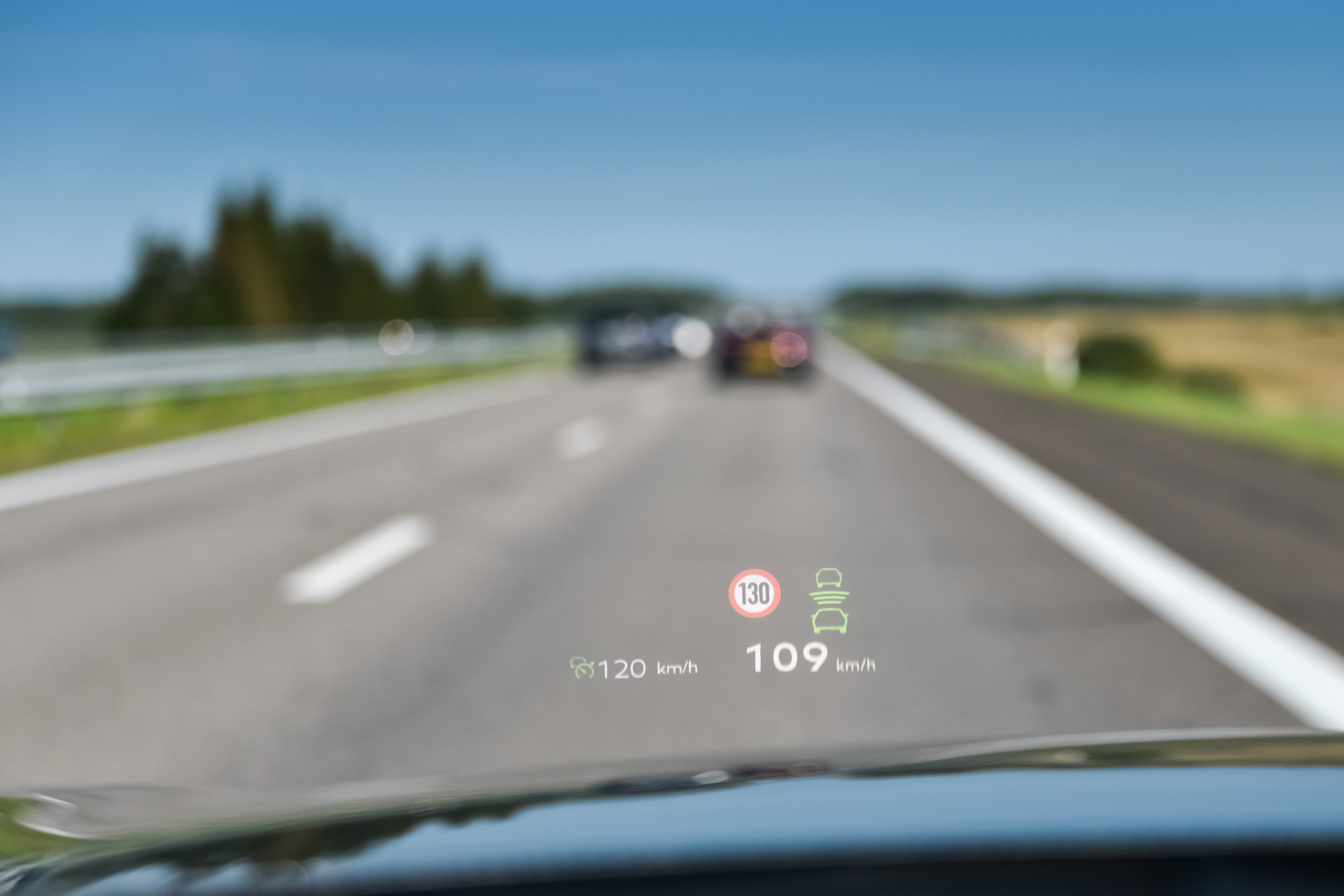
Augmented reality head-up displays: sat nav on the road ahead
A head-up display already feels quite futuristic. Instead of looking down at the dashboard, key information such as speed, navigation and alerts can appear in front of the driver.
But augmented reality head-up displays take it further.
These systems can overlay information into the driver’s field of view, making directions feel like they are placed onto the road ahead. Texas Instruments describes AR head-up displays as systems that can overlay critical information directly onto the real world, using vehicle sensor data to create a more interactive driving experience.
So instead of a normal sat nav saying “turn left in 200 yards”, the display can make the instruction feel visually connected to the road.
It sounds like gaming technology, but in a car.
For drivers, the benefit is simple. Less looking away, less confusion at complicated junctions and a more modern driving experience.
Remote climate control: warm the car up before you get in
This is one of those features that sounds unnecessary until you use it once. Then suddenly, you never want to go back.
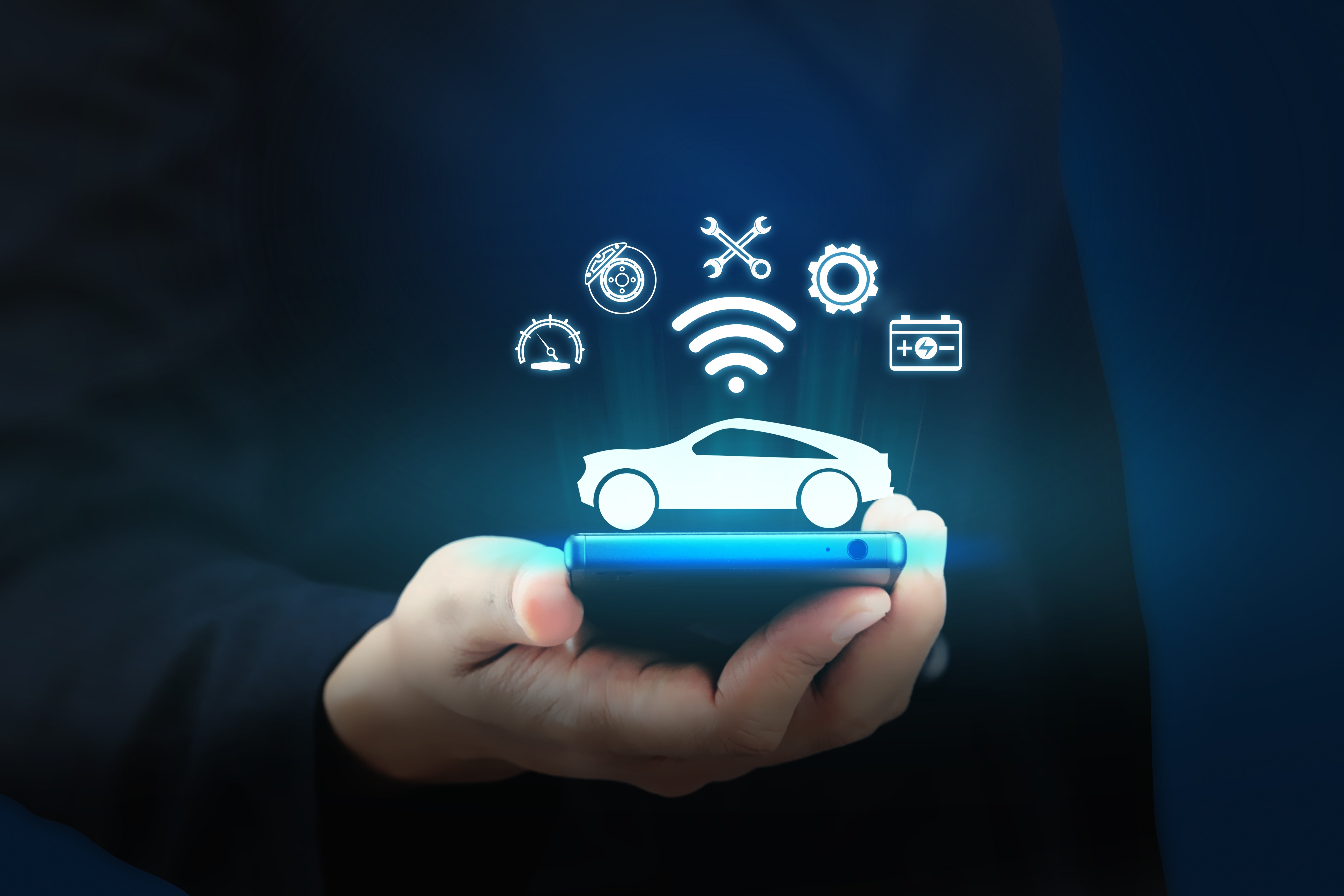
Many modern cars, especially EVs and plug-in hybrids, allow you to control the cabin temperature through an app. That means you can warm the car up on a frosty morning or cool it down during summer before you even open the door.
No more sitting there shivering while the windscreen slowly clears.
No more climbing into a boiling car after it has been baking in the sun.
It is a simple feature, but it makes everyday driving feel so much nicer. For UK drivers, pre-heating the cabin before a cold morning commute is genuinely one of those little luxuries that quickly becomes a favourite.
One-pedal driving: braking without really braking
One-pedal driving sounds impossible, but it is a real feature found in many electric cars.
In simple terms, when you lift off the accelerator, the car slows down more strongly than a normal petrol or diesel car would. This is because the motor helps recover energy and sends some of it back into the battery through regenerative braking.
You still have a brake pedal, of course. It is not magic. But in normal driving, especially around town, you can often slow the car down just by easing off the accelerator.
Once you get used to it, it can make driving feel smoother and more relaxed. It also feels very futuristic the first time you realise the car is slowing itself down and recovering energy at the same time.
Over-the-air updates: your car can improve while parked
Phones update. Laptops update. Apps update.
Now cars can too.
Over-the-air updates allow some vehicles to receive software improvements without needing to visit a dealership. Depending on the brand and model, updates can improve infotainment systems, navigation, driver assistance features, charging behaviour or general software performance.
That is a big shift. Cars are no longer just mechanical products that stay exactly the same from the day they leave the showroom. They are becoming more software-driven, which means some features can be improved after delivery.
It also explains why modern cars increasingly feel like tech products as much as transport.
360-degree cameras: seeing around the whole car
Parking used to be all mirrors, judgement and mild panic.
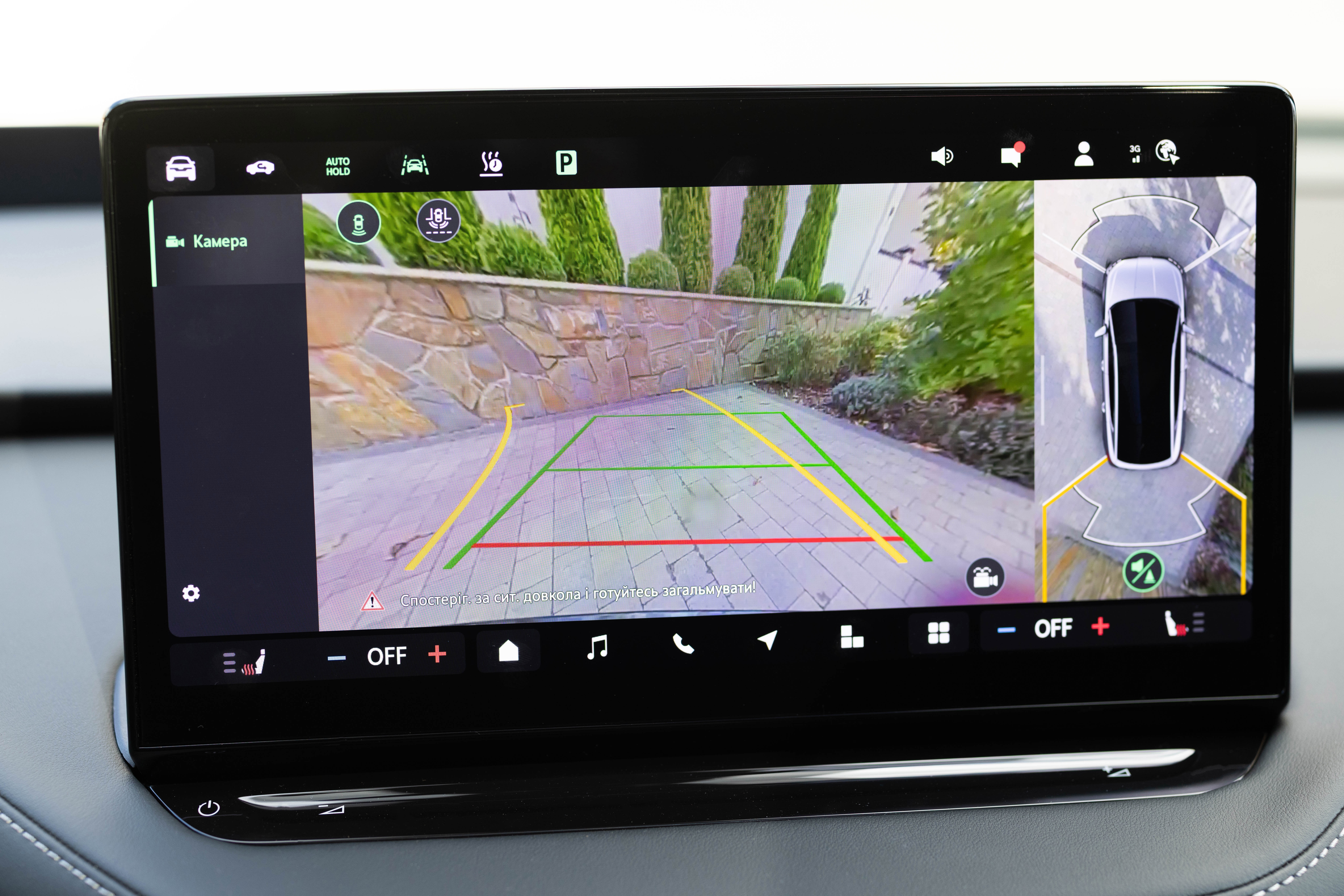
Now, some cars can show a full 360-degree view around the vehicle using multiple cameras. The system stitches the camera feeds together to create a bird’s-eye-style view on the screen.
Is it slightly strange seeing your car from above when there is clearly no camera floating in the sky? Yes.
Is it incredibly useful? Also yes.
For larger SUVs, vans and family cars, 360-degree cameras can make parking, tight streets and awkward driveways much easier. It is one of those features that sounds like a gimmick until you are trying to squeeze into a tight supermarket space.
Digital keys: your phone can unlock the car
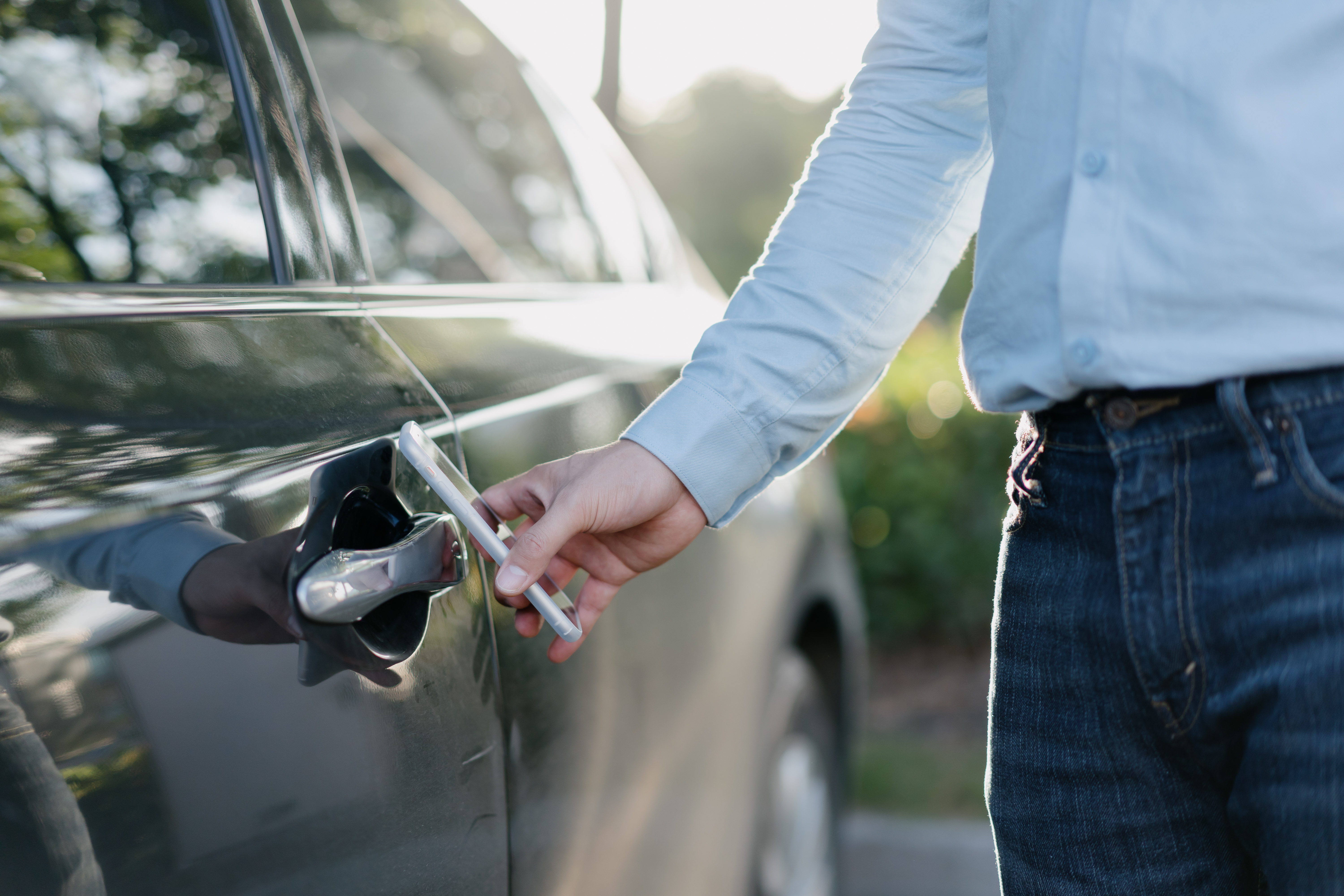
Some modern cars now offer digital key technology, allowing a smartphone to unlock, lock or start the car, depending on the system.
That means your phone can become the key.
It sounds like the sort of thing that would have felt ridiculous twenty years ago. Now, it fits perfectly with how people already use their phones for payments, tickets, banking, maps and almost everything else.
It is another example of cars becoming more connected, more app-based and more integrated into everyday tech.
Self-parking: when the car does the awkward bit
Self-parking technology has been around in different forms for a while, but it still feels impressive when you see it happen.
Some systems can help steer the car into a parallel or bay parking space, while the driver controls the pedals and gears. More advanced versions can handle more of the process themselves, depending on the vehicle.
It is not an excuse to stop paying attention, but it can take some of the stress out of parking, especially for drivers who hate tight spaces.
And let’s be honest, watching a steering wheel turn by itself still feels a bit like witchcraft.
Cars are getting seriously clever
The wild thing is that most of this technology is not limited to ultra-expensive concept cars anymore.
Features like battery preconditioning, app control, 360-degree cameras, adaptive lights, digital displays and clever driver assistance systems are becoming more common across modern EVs, hybrids, SUVs and family cars.
That is one of the reasons leasing can be so appealing. Car technology is moving quickly, and leasing gives drivers the chance to enjoy newer features without committing to the same vehicle for years and years.
Today’s car tech is not just about showing off either. A lot of it is designed to make driving easier, safer, more comfortable and more convenient.
Some of it still sounds fake.
But it is very real.
References
Geotab (2026) Vehicle-to-Load and EV technology information. Available through Geotab resources. Accessed: 8 June 2026.
JCT600 (2026) Modern Car Features That Are Changing the Way We Drive. Accessed: 8 June 2026.
Kia UK (2024) What is EV Battery Pre-Conditioning? Accessed: 8 June 2026.
Texas Instruments (2019) Introduction to automotive augmented reality head-up displays. Accessed: 8 June 2026.
TechRadar (2025) Pixel arrays, matrix headlights, OLED taillights: new lighting tech is bedazzling EVs. Accessed: 8 June 2026.
Credits
Credits to TY Lim for main thumbnail image
Credits to Wirestock Creators for image of matrix light system
Credits to vpilkauskas for image of Heads up Display
Credits to dan quiet life for image of a smart car app on a smartphone
Credits to mpohodzhay for an image of a 360 degree car camera
Credits to THINK A for an image of a man opening a car with their smartphone
Credits to CuteCharacters for image of a man charging his phone via a wireless pad in his car