Winter Driving: A Professional Guide to Staying Safe in Snowy Conditions
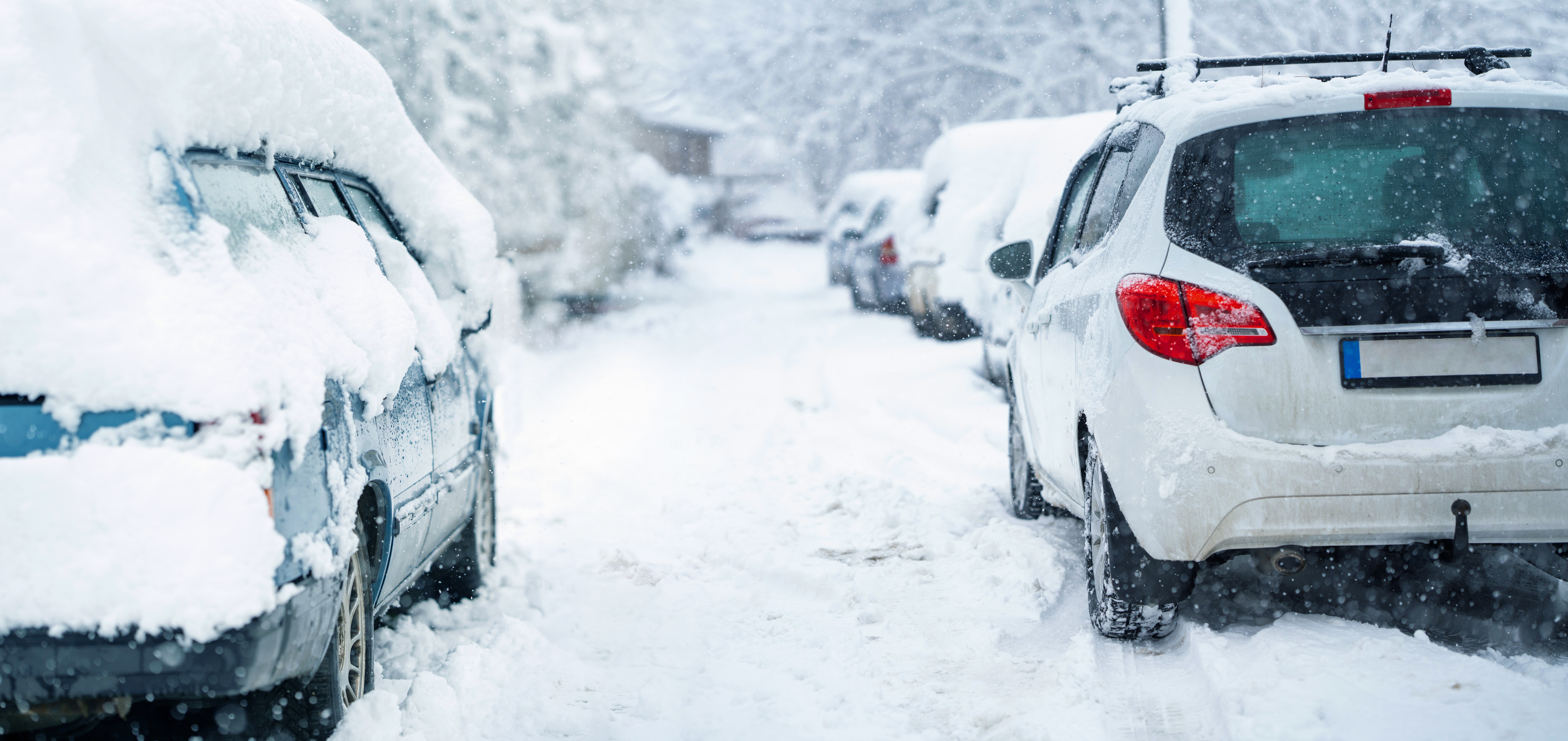
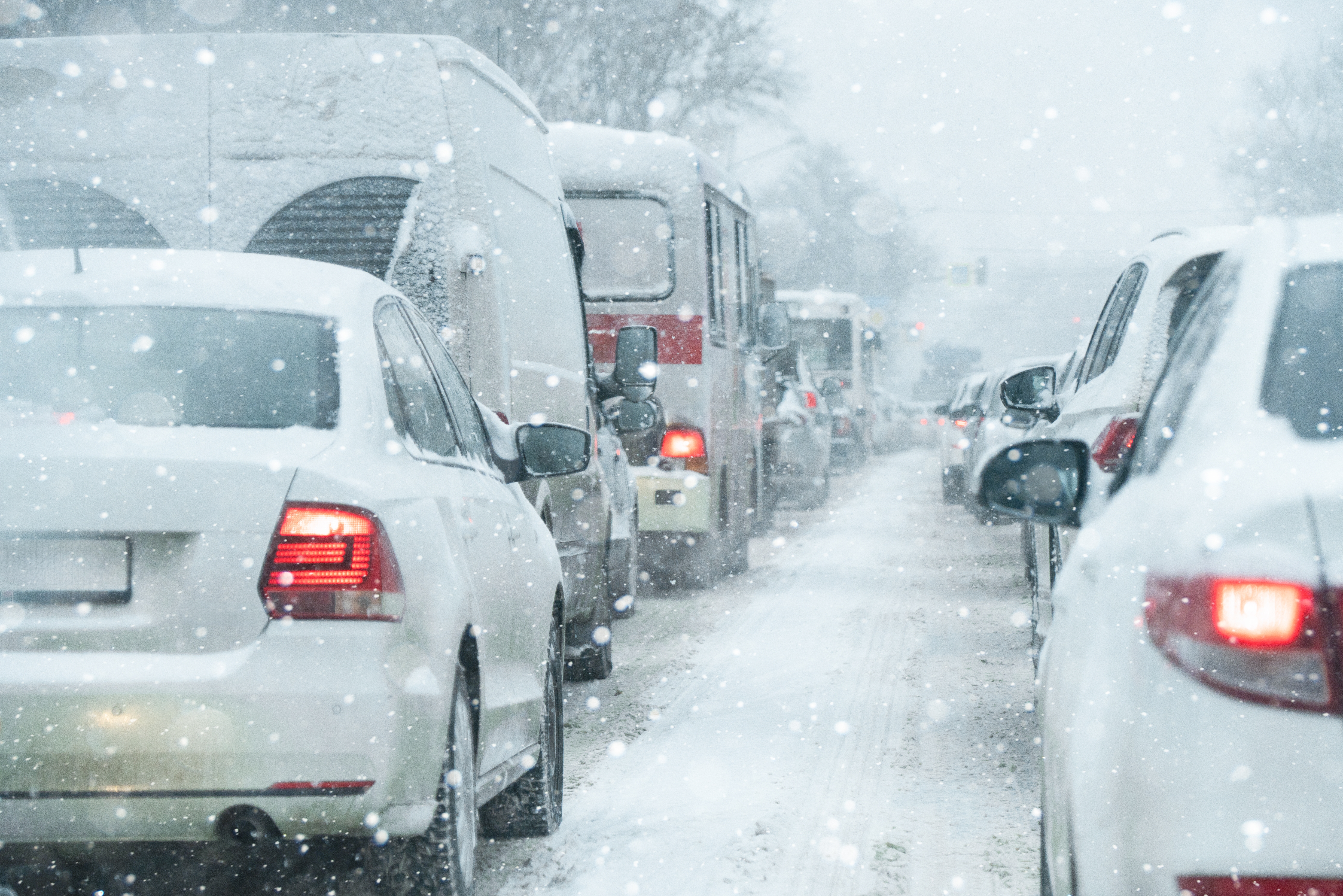
Snow and icy conditions can significantly increase the risks faced by motorists, turning routine journeys into demanding and potentially hazardous experiences. Reduced traction, longer stopping distances, and limited visibility all contribute to a higher likelihood of incidents. Proper preparation and a measured driving approach are therefore essential when travelling in winter weather.
This guide provides clear, professional advice on how to prepare for winter driving, adjust your driving technique, and equip your vehicle to cope with snow and ice.
1. Planning Your Journey
Effective winter driving begins before you even leave home. Planning ahead can help you avoid unnecessary delays and dangerous conditions.
Check local weather forecasts and travel warnings before setting off.
Plan routes that are more likely to be treated and gritted.
Allow additional time for your journey to avoid rushing.
Monitor traffic conditions using reliable tools such as those provided by the RAC to stay informed of disruptions.
2. Adjusting Your Driving Style in Snow and Ice
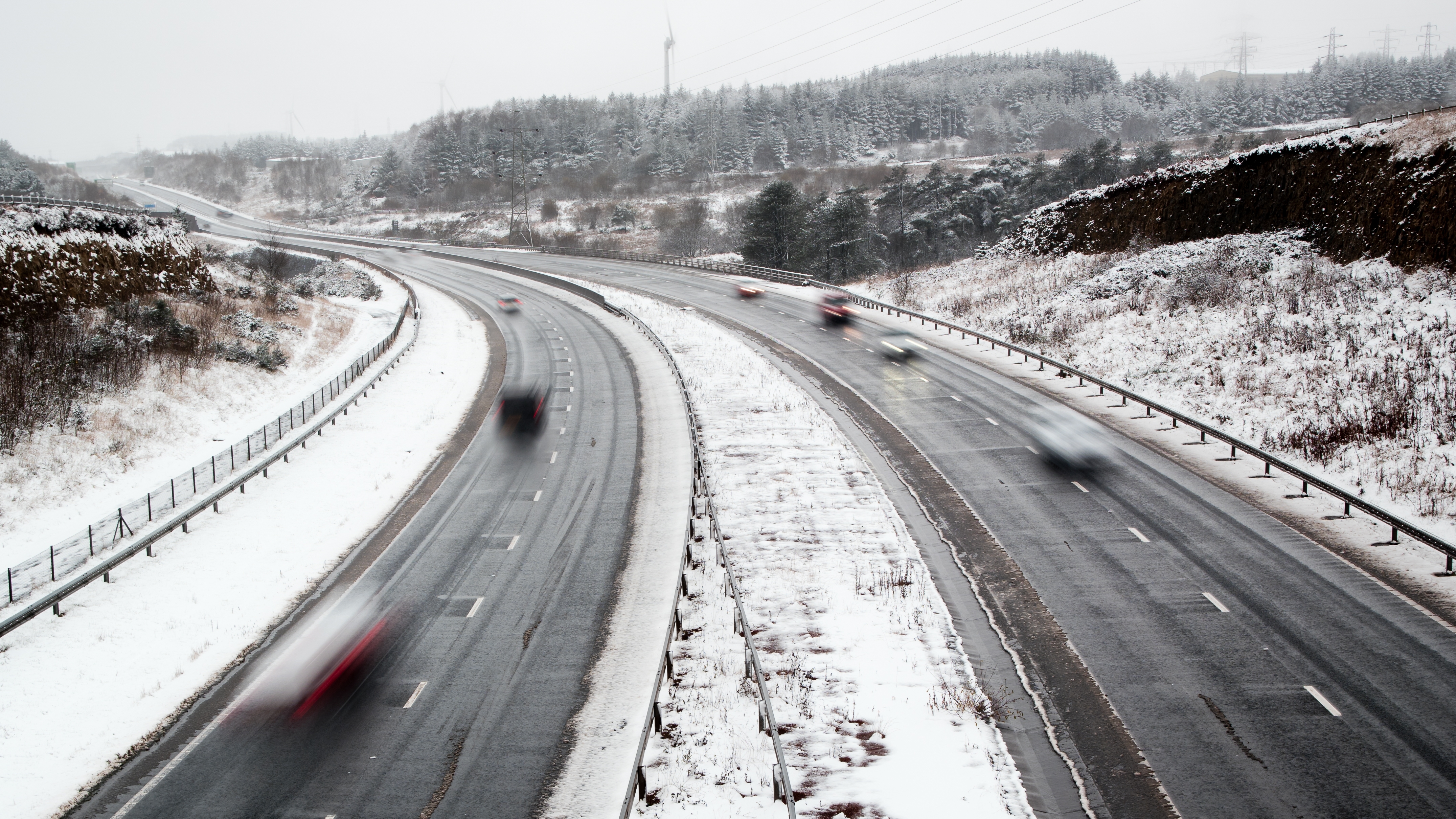
Driving in winter conditions requires smooth, deliberate actions and heightened awareness.
Wear dry, comfortable footwear to maintain precise pedal control.
Accelerate gently using low engine revs and change up to higher gears early.
Move off in second gear where possible to reduce wheel spin, or use winter mode if your vehicle is equipped with it.
Increase stopping distances substantially, allowing up to ten times the normal gap.
Approach hills with sufficient space to maintain a steady speed without frequent gear changes.
When travelling downhill, select a low gear and rely on engine braking rather than heavy use of the brakes.
Brake before entering bends, not while turning the steering wheel.
If the vehicle begins to skid, remain calm, ease off the accelerator, and steer gently in the direction you wish the car to travel.
Use dipped headlights in heavy snow and fog lights when visibility drops below 100 metres, switching them off once visibility improves.
Be cautious of shaded areas, bridges, and exposed roads, as these locations often freeze first and thaw last.
3. Preparing Your Vehicle for Winter Conditions
Vehicle preparation is a critical part of winter safety and should never be overlooked.
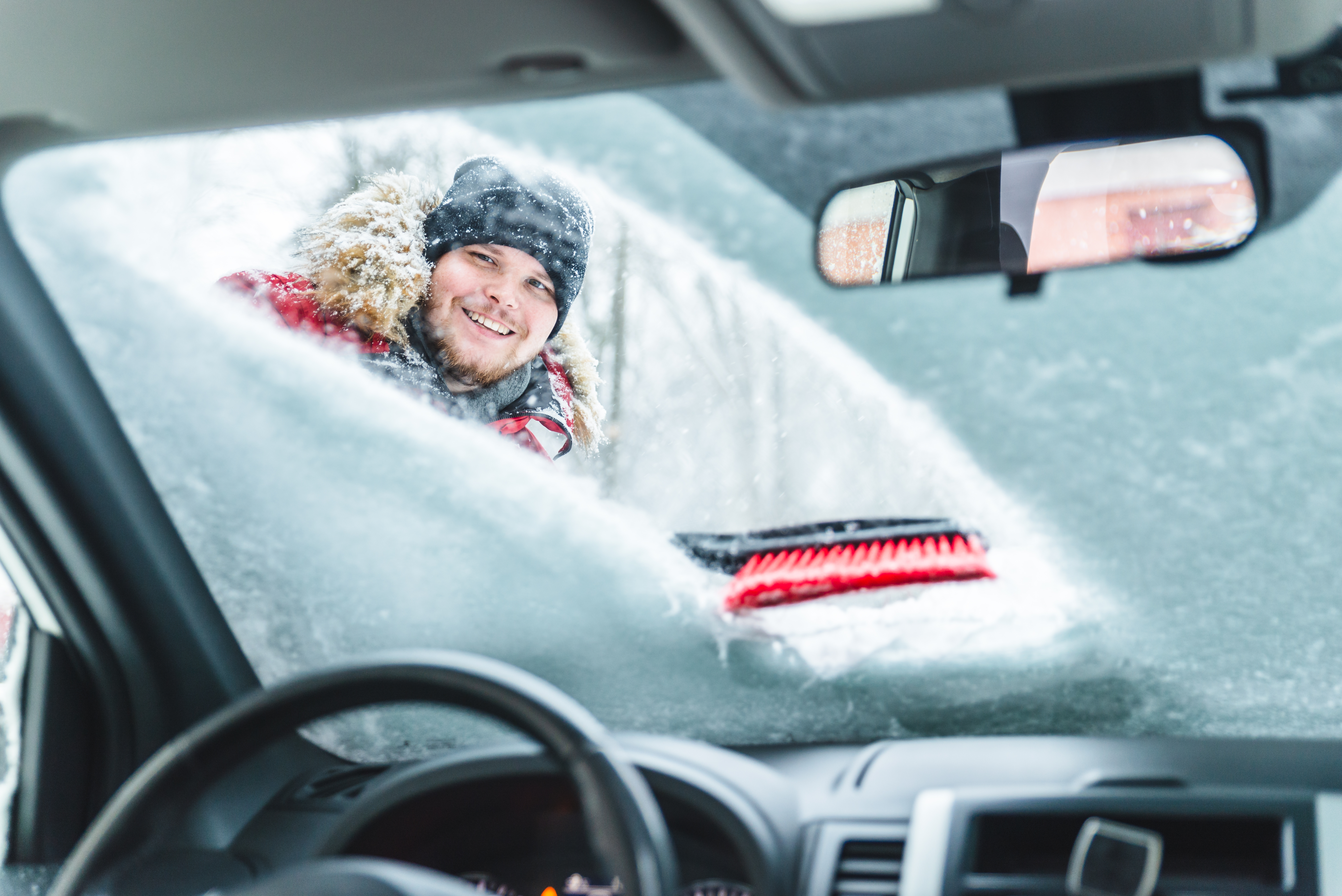
Clear all snow and ice from windows, mirrors, lights, and the roof before driving, as loose snow can reduce visibility and pose a danger to other road users.
Fully de-ice the windscreen and ensure the demisting system works effectively.
Inspect windscreen wipers and switch off automatic wipers before starting the engine as they may be frozen to the glass.
Check tyre condition and tread depth, as worn tyres provide significantly less grip on snow and ice.
Use winter-grade screenwash rated to at least –35°C to prevent freezing.
Test the car battery regularly, as cold temperatures reduce its ability to hold and deliver power.
4. Choosing the Right Winter Traction Equipment
Different traction aids are available to help drivers cope with snow, each suited to different conditions.
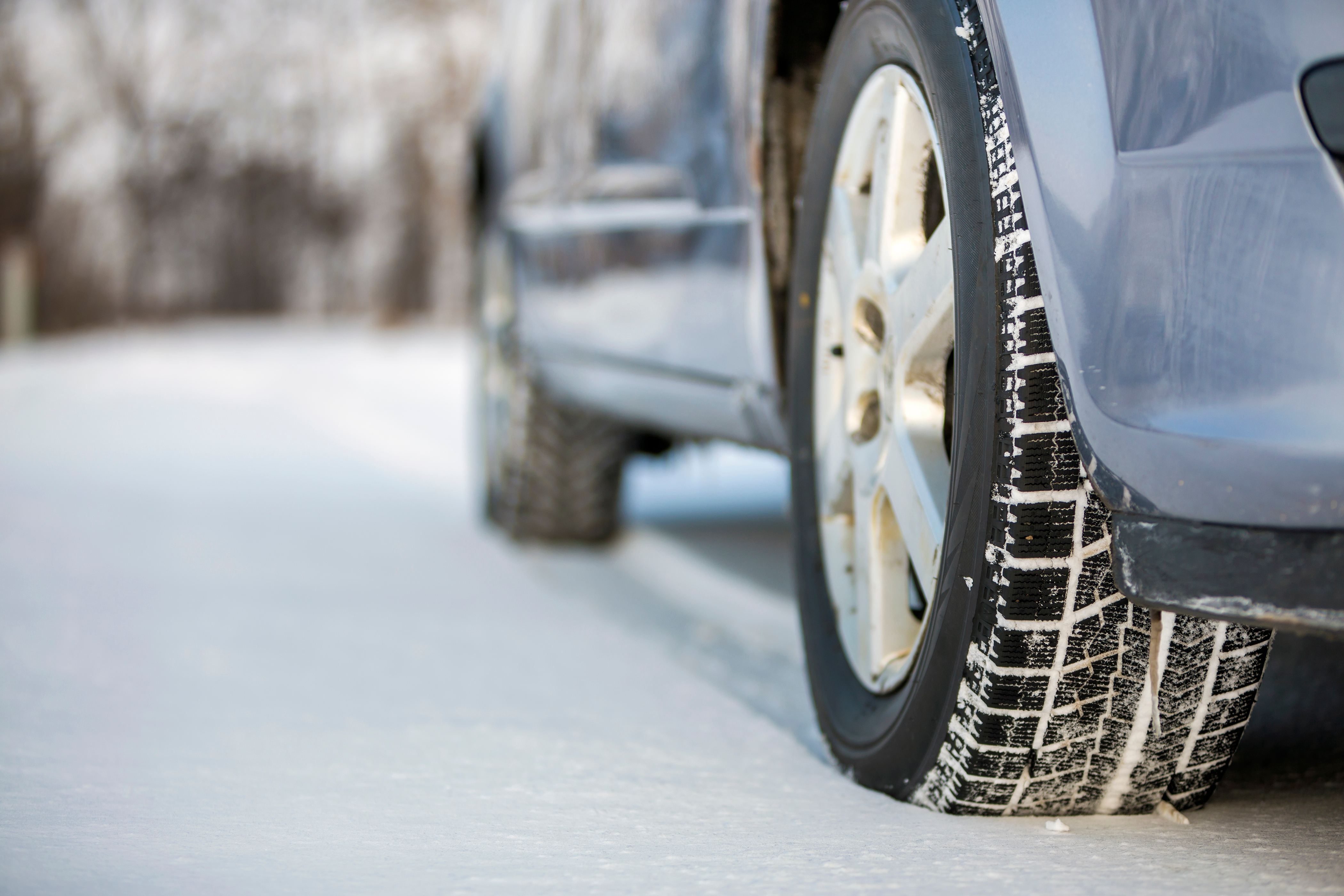
Winter tyres provide improved grip in cold, wet, icy, and snowy conditions and are recommended for drivers in areas regularly affected by adverse weather.
Snow socks are a lightweight, easy-to-fit option for unexpected snowfall or short journeys on snow-covered roads, but they must be removed once roads are clear.
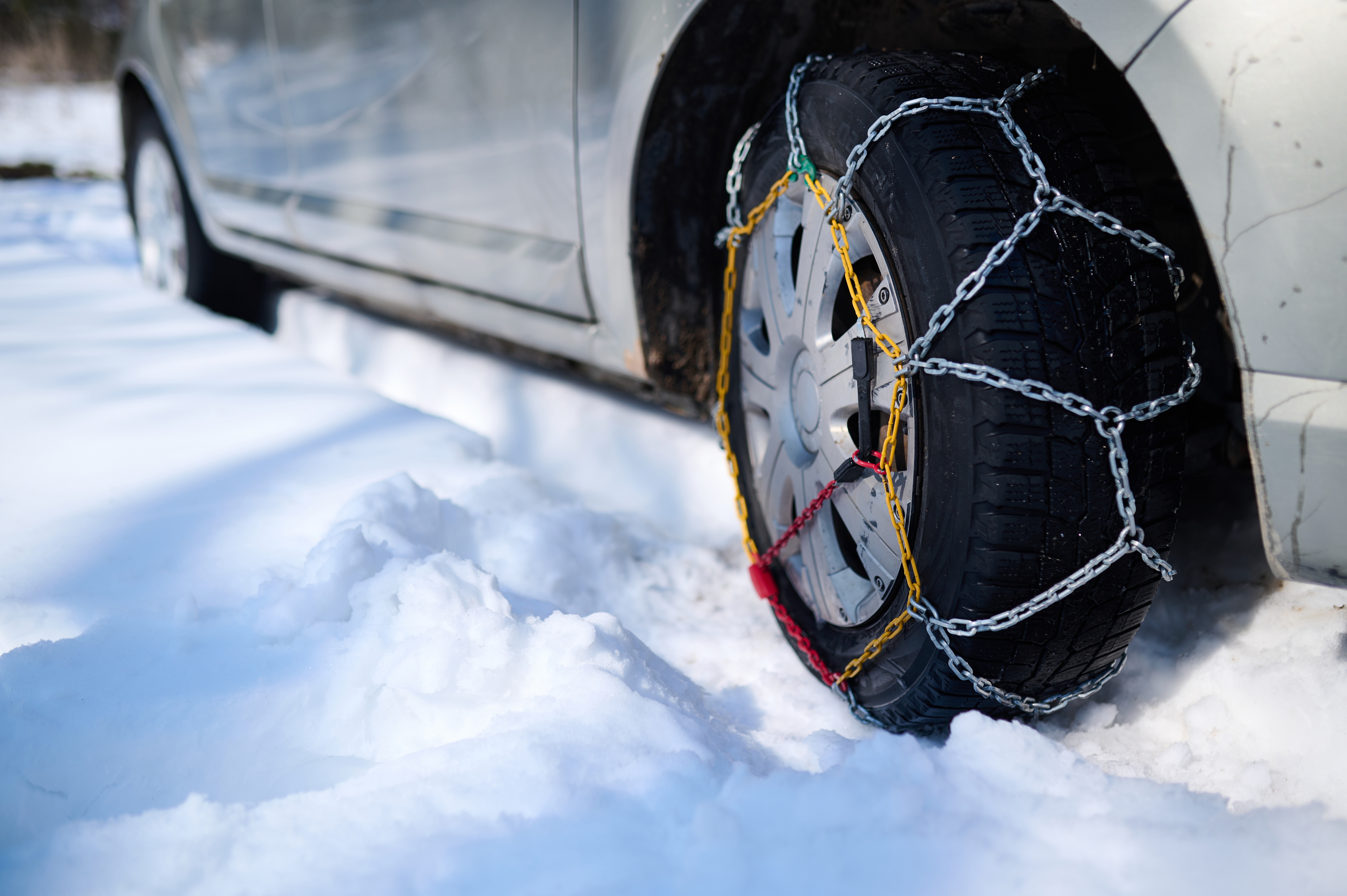
Snow chains offer the highest level of grip and are best suited to deep or compacted snow, although they must only be used where appropriate and removed on clear roads.
5. Using Snow Chains Safely
Snow chains should only be used when conditions require them and when your vehicle is suitable.
Always check the vehicle handbook to confirm compatibility and correct fitting instructions.
Fit chains to the driven wheels, or all four wheels on some four-wheel-drive vehicles.
Wear gloves and high-visibility clothing when fitting chains roadside.
Drive smoothly, avoid sudden inputs, and do not exceed 30mph.
Remove chains as soon as you reach clear roads to avoid damage to the vehicle and road surface.
6. Allowing Extra Time and Packing for Emergencies
Winter journeys often take longer and require additional preparation.
Allow extra time before departure to clear snow, de-ice windows, and carry out vehicle checks.
Pack an emergency kit including warm clothing, a blanket, food and drink, a torch, de-icer, ice scraper, phone charger, first aid kit, and basic recovery equipment.
Ensure your mobile phone is fully charged and that your breakdown provider’s number is saved.
Final Considerations
Winter driving demands patience, preparation, and adaptability. Road conditions can change rapidly, particularly in exposed or shaded areas, and drivers must remain alert at all times. By planning carefully, preparing your vehicle thoroughly, and adjusting your driving style to suit the conditions, you can reduce risk and travel more safely throughout the winter months.
Taking these precautions not only protects you and your passengers but also helps ensure safer roads for everyone.
Credits to Shutterstock Richard Whitcombe for images
Credits to Shutterstock Vera Petrunina for images
Credits to Shutterstock Bilanol for images
Credits to Shutterstock Scharfsinn for images