










Vehicle Maintenance Guide: 10 Essential Car Maintenance Tips to Prevent Breakdowns
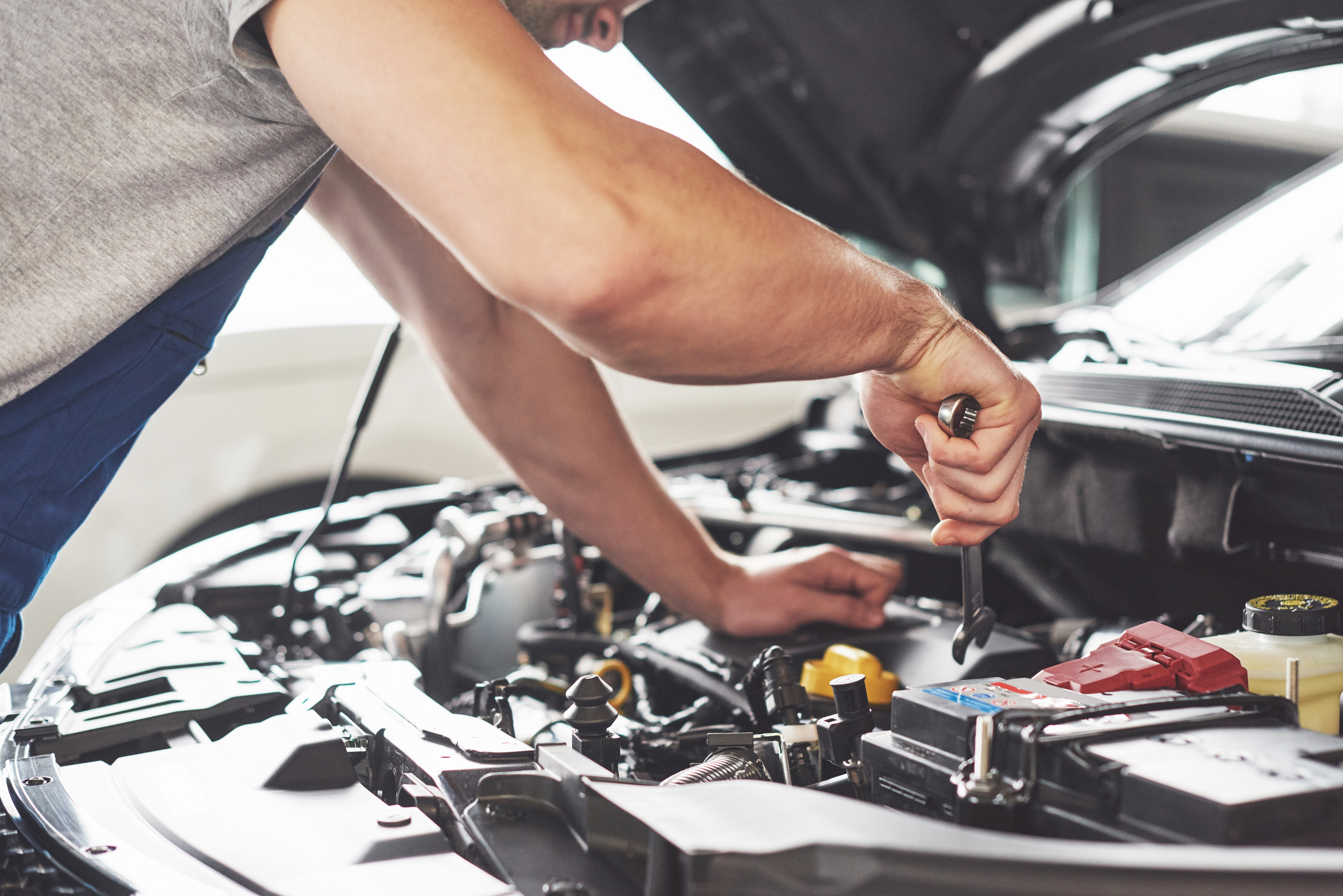
Keeping your vehicle in top condition isn’t complicated, but ignoring basic maintenance can lead to costly repairs and unexpected breakdowns. Whether you drive petrol, diesel, hybrid, or electric, regular car maintenance improves safety, performance, and long-term reliability.
In this complete vehicle maintenance guide, we cover the most important car maintenance checks every driver should know.
Why Is Regular Vehicle Maintenance Important?
Regular car maintenance helps:
Prevent breakdowns
Improve fuel efficiency
Extend engine life
Maintain resale value
Keep your vehicle safe and road legal
Small checks done consistently can save hundreds, even thousands, in repair costs.
10 Essential Car Maintenance Tips
1. Check Your 12-Volt Car Battery
Battery failure is one of the most common causes of vehicle breakdowns, especially in cars that aren’t driven regularly.
Most car batteries last 3 to 5 years. Warning signs include slow engine start-up or dim lights.
To keep your battery healthy:
Avoid leaving lights or electronics on
Drive regularly if possible
Consider a battery maintainer for vehicles used infrequently
If your battery is ageing, replacing it proactively prevents sudden failure.
2. Check and Change Engine Oil Regularly
Engine oil lubricates internal components and reduces wear. Over time, oil degrades and loses effectiveness.
Failing to change oil at recommended intervals (typically every 6,000–10,000 miles depending on manufacturer guidance) can lead to:
Reduced performance
Increased engine wear
Lower fuel efficiency
Check oil levels monthly and top up if needed.
3. Inspect Your Brakes for Safety
Your braking system is critical for safe driving.
Common warning signs of brake problems:
Squealing or grinding noises
Vehicle pulling to one side
Longer stopping distances
Brake warning light on dashboard
Brake pads and discs wear naturally and should be inspected regularly.
4. Check Your Engine Air Filter
A clogged air filter restricts airflow into the engine, reducing efficiency and performance.
Symptoms of a dirty air filter:
Sluggish acceleration
Reduced fuel economy
Unusual engine sounds
Replacing a blocked air filter is inexpensive and improves engine performance.
5. Monitor Essential Fluid Levels
Your vehicle relies on several important fluids:
Engine coolant
Brake fluid
Transmission fluid (automatic vehicles)
Windscreen washer fluid
Low fluid levels can cause overheating, braking issues, or mechanical damage. Check levels every few months or before long journeys.
6. Check Tyre Pressure and Tread Depth
Tyres affect safety, fuel efficiency, and handling.
Best practice:
Check tyre pressure every 2 weeks
Inspect tread depth (UK legal minimum is 1.6mm)
Look for cuts, bulges, or uneven wear
Properly inflated tyres improve fuel economy and reduce the risk of blowouts.
Modern cars include a Tyre Pressure Monitoring System (TPMS), which alerts drivers to low pressure.
7. Keep Your Car Clean to Prevent Corrosion
Dirt, road salt, and grime can cause corrosion over time.
Regular washing:
Protects paintwork
Prevents rust
Keeps number plates visible and legal
After washing, avoid draining your battery by leaving electronics on for long periods.
8. Check for Rodent Damage Under the Bonnet
Vehicles parked for long periods can attract rodents seeking warmth.
Signs of rodent activity:
Chewed wiring
Nesting materials
Debris accumulation
Catching this early prevents expensive electrical repairs.
9. Understand Your Diesel Particulate Filter (DPF)
Diesel vehicles built after 2007 typically have a Diesel Particulate Filter (DPF).
Short journeys can prevent the DPF from regenerating properly, causing warning lights.
To allow regeneration:
Drive at motorway speeds for 10–15 miles
Avoid repeated short trips where possible
Ignoring DPF warnings can result in costly repairs.
10. Electric Vehicles Still Need Maintenance
Electric vehicles require less engine maintenance but still need:
Tyre inspections
Brake checks
Suspension maintenance
Electrical system checks
Many EVs maintain their 12-volt battery while charging. Plugging in periodically helps keep systems healthy.
Quick Maintenance Checklist: Remember FLOWER
A simple way to remember essential checks:
Fuel
Lights
Oil
Water
Electrics
Rubber (Tyres)
Running through this checklist regularly reduces the likelihood of unexpected issues.
How Often Should You Service Your Car?
Most vehicles require servicing once a year or every 10,000–12,000 miles. Always follow your manufacturer’s handbook for exact intervals.
Regular servicing improves longevity, safety, and overall performance.
Final Thoughts: Prevent Problems Before They Start
Vehicle maintenance isn’t just about avoiding breakdowns, it’s about protecting your investment. A few routine checks each month can dramatically reduce the risk of expensive repairs.
If you're considering moving into a newer vehicle with improved reliability, advanced safety systems, and lower maintenance stress, upgrading could be a smart long-term solution.