Three Million Speeding Offences in a Year: Is Britain Losing Control of Its Roads?
More than three million drivers. One year. And thousands travelling at speeds that leave absolutely no room for error. New figures have revealed just how widespread speeding still is on UK roads — and it’s raising serious questions about driver behaviour, enforcement, and road safety culture as a whole.
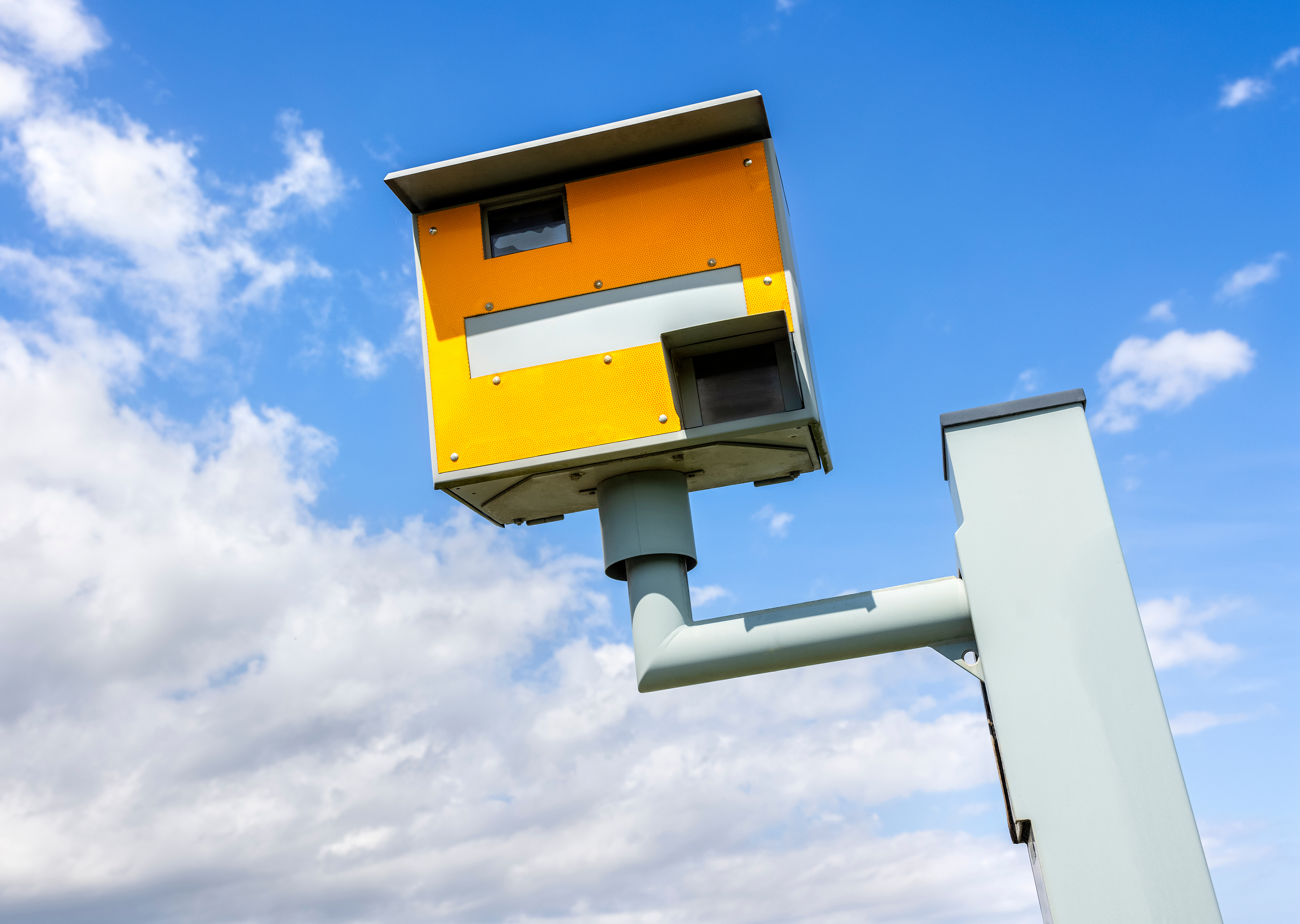
According to a Freedom of Information request submitted by Volvo, a staggering 3,082,339 speeding offences were recorded between September 2024 and August 2025. That’s millions of moments where a driver chose speed over safety — and in some cases, the consequences could have been devastating.
When Speed Becomes Extreme
Among those offences were 1,570 drivers caught travelling at over 112mph — roughly one every six hours. That number isn’t random either. Since 2020, 112mph has been the electronic speed limit applied to all new Volvo models, introduced as part of the brand’s long-standing commitment to road safety.
Despite modern vehicles becoming safer, smarter, and more controlled than ever, these figures show that technology alone can’t stop reckless decisions behind the wheel.
Where Are Drivers Breaking the Limits?
Unsurprisingly, enforcement hotspots varied across the country. Northamptonshire Police recorded the highest number of drivers exceeding 112mph, with 291 extreme speeding cases, detected through a mix of in-car cameras and mobile and fixed speed cameras.
Meanwhile, London’s Metropolitan Police Service reported the highest overall number of speeding offences, with 731,635 drivers caught. While the capital’s congestion and road layout kept triple-digit speeds relatively rare, with just 45 drivers clocked above 100mph, the sheer volume highlights how common speeding remains in everyday driving.
“Troubling” Figures and a Call for Change
Road-safety charity IAM RoadSmart didn’t mince its words. Policy and standards director Nicholas Lyes described the figures as “troubling,” warning that excessive speeds dramatically increase the risk of serious injury and loss of life.
He stressed that driving at these speeds isn’t just illegal — it’s dangerous in ways that can permanently alter lives. According to Lyes, speeding needs to become socially unacceptable, not quietly tolerated as part of modern driving culture.
Enforcement, Education, and Responsibility
While measures such as blanket 20mph zones are often discussed as solutions, IAM RoadSmart has been clear that enforcement must go hand-in-hand with education. Without consistent policing and meaningful driver training, limits alone won’t change behaviour.
True progress, Lyes argues, comes from a combination of better education, improved training, and a collective shift in mindset — one where drivers take responsibility not just for themselves, but for everyone sharing the road.
The Bigger Picture
These figures aren’t just statistics — they’re a reminder that road safety is still a work in progress. As vehicles continue to evolve with advanced safety systems and speed-limiting technology, the biggest variable remains human behaviour.
Slowing down isn’t about restriction. It’s about control, awareness, and getting home safely — every single time.