The Surprising Health Hack EV Drivers Are Loving — And It Starts at Home
Switching to an electric vehicle already feels like a win. Lower emissions, cheaper running costs, quieter drives… it’s a glow-up for your whole routine. But there’s a cheeky little bonus most new EV drivers aren’t expecting — and it’s hiding far away from the forecourt snack aisle.
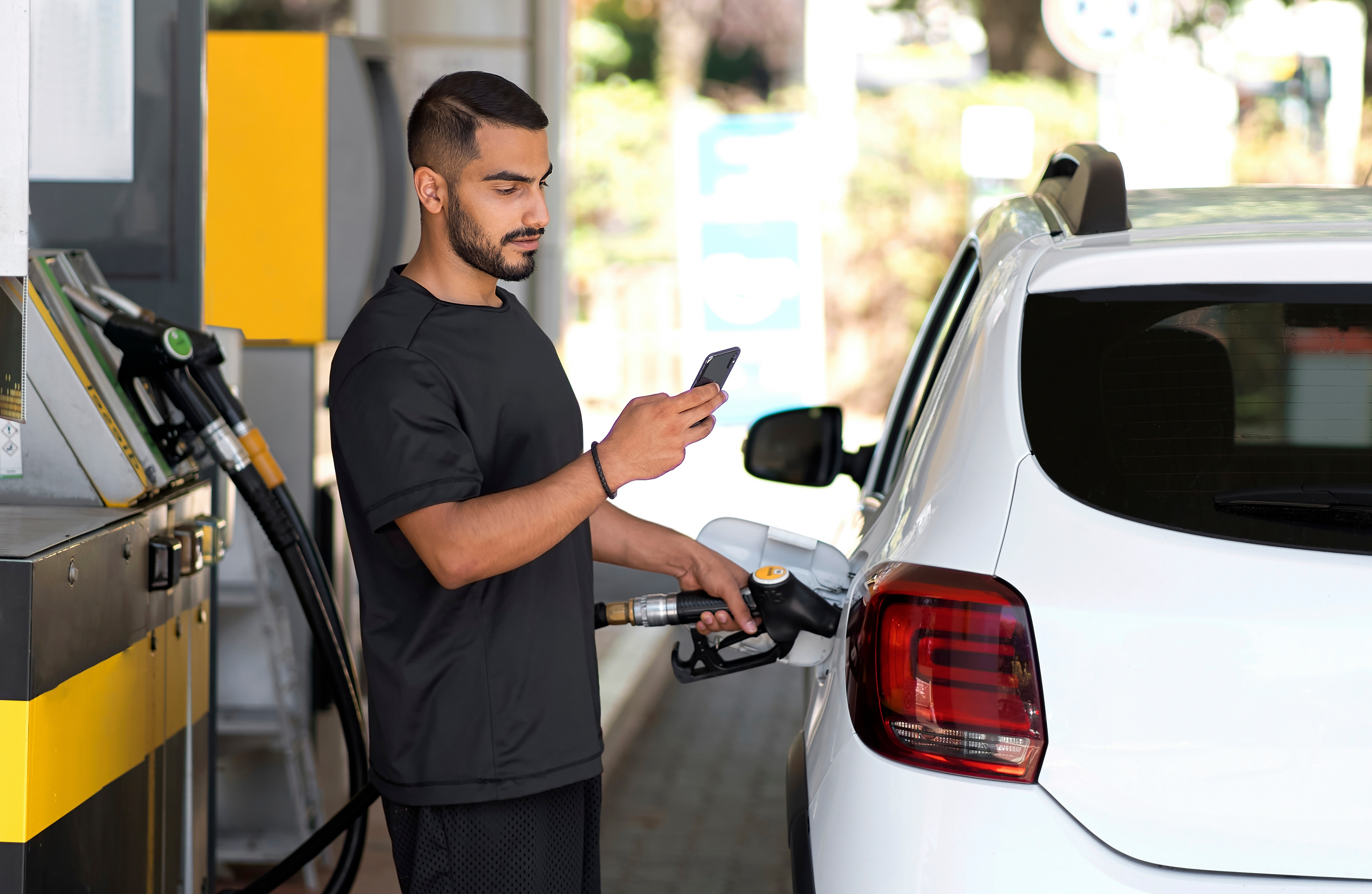
Yep. The moment you stop visiting petrol stations, you stop filling your basket with impulse treats, sugary drinks and those “go on then” meal deals that somehow jump into your hands every week. When you’re charging at home, you’re not just topping up your car — you’re avoiding hundreds of empty calories and saving a tidy bit of cash too.
According to new research from British EV charger brand Simpson & Partners, the average forecourt pit stop costs drivers around £5 in snacks alone. That’s £260 a year — and thousands of calories — for nothing more than habit. A typical petrol station meal deal can hit a hefty 801 calories all by itself. One sandwich, one smoothie, one chocolate bar… and nearly half your daily intake gone before lunchtime.
Mandy Simpson, co-founder of Simpson & Partners, put it perfectly: “There’s so much talk in the media about weight loss drugs, how sugar isn’t healthy and how diabetes is on the rise. The hidden side benefit for EV drivers who home charge is that you don’t need to go to the petrol station and expose yourself to the temptations on the snack aisle. It’s like a passive benefit no one talks about.”
And she’s right. As more UK drivers embrace electric vehicles, the home charger has become the quiet hero of the EV lifestyle. It gives you control over your costs — especially with smart tariffs letting you charge during off-peak hours — and it fits perfectly into your day. No queues, no detours, no “might as well grab something while I’m here” moments.

Beyond slimming down your spending (and your weight), home charging is also significantly cheaper than rapid charging out in public. In fact, topping up on-the-go can be up to three times more expensive than simply plugging in at home overnight.“Once you experience the convenience of home charging, it’s hard to imagine going back,” Simpson adds. “You can top up your car while you sleep, it’s energy-efficient, timesaving and much less disruptive to your day — and turns out it’s kinder to your waistband too!” Quiet, convenient, cost-efficient… and now officially a secret health hack? Home charging is looking more irresistible by the minute!
Credits to Newspress
Credits to Shutterstock PRASANNAPIX
Credits to Shutterstock AYO Production