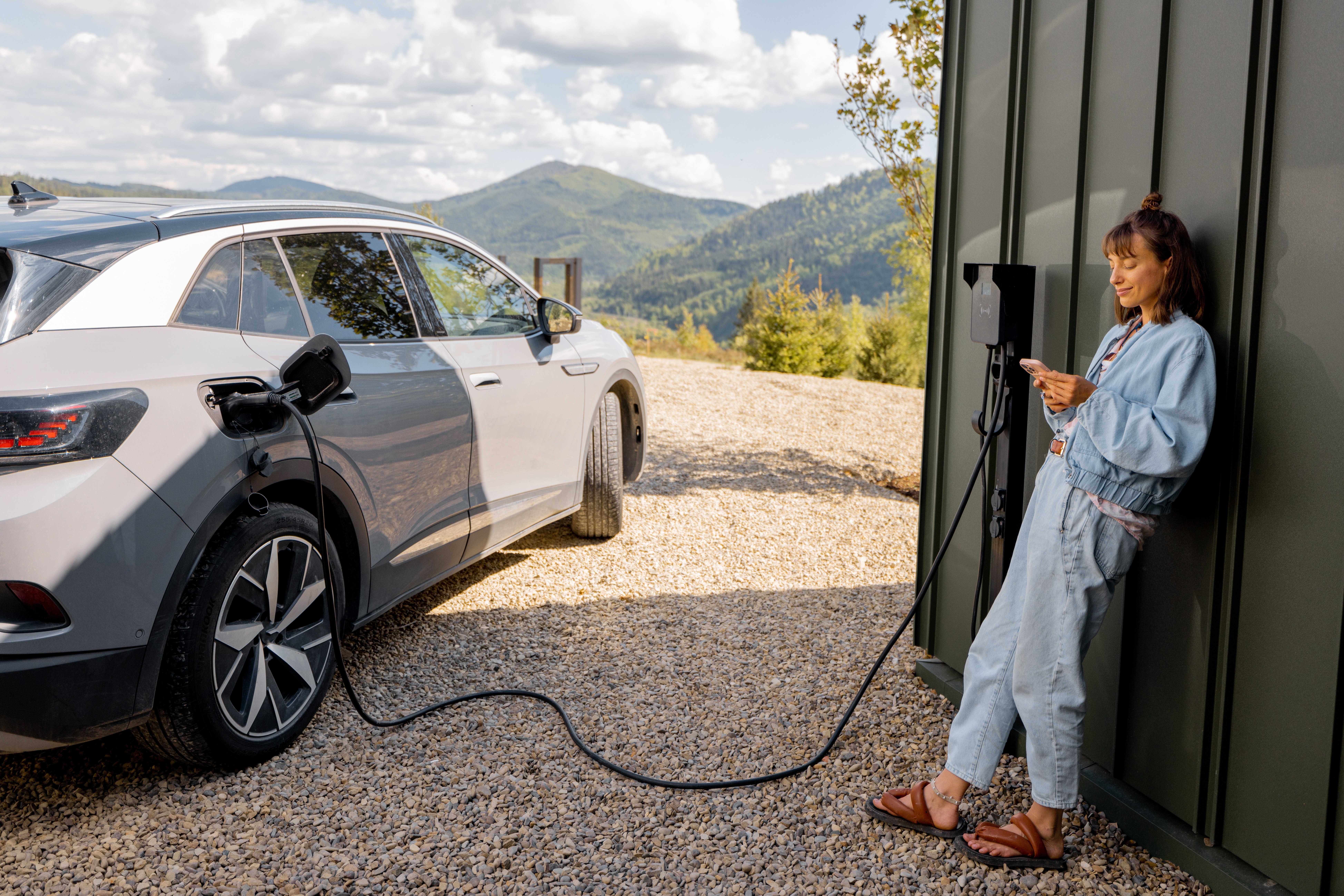
The Old “Dirty Electricity” Argument Against EVs Is Running Out of Road
There was a time when the easiest way to challenge electric cars was to point at the plug.
The argument was simple enough. Electric vehicles might not have exhaust pipes, but they still need electricity. And if that electricity came from coal, gas or other fossil fuels, then how clean could they really be?
For years, that was one of the favourite comebacks from EV sceptics. It sounded clever, it sounded practical, and for a while, it was not completely wrong. The electricity grid was still heavily reliant on fossil fuels, and the clean-energy transition was moving slowly enough for people to question whether electric cars were really making the difference their supporters claimed.
But that argument is now ageing badly.
The world’s electricity system is changing at serious speed. Renewable energy is no longer a small supporting act in the background. It is becoming one of the main forces powering modern life, and that shift is making electric cars cleaner year after year.
The Grid Has Changed, But The Argument Hasn’t
A lot of anti-EV arguments feel like they are stuck in an older version of the world.
They talk about electric cars as though the grid is frozen in time. As though every EV bought today will always be charged from the same energy mix forever. But that is not how electricity works.
The grid is not static. It changes constantly. Coal plants close. Wind farms open. Solar capacity grows. Battery storage improves. Nuclear, hydro and other low-carbon sources continue to feed into the mix. Every improvement to the electricity system makes every electric car plugged into it cleaner.
That is the key difference between an electric car and a petrol or diesel car.
A petrol car bought today will still burn petrol in ten years. A diesel car bought today will still burn diesel in ten years. No matter how advanced the wider energy system becomes, that vehicle remains tied to the same basic fuel source.
An EV is different. It does not need to be rebuilt to benefit from a cleaner grid. It simply plugs into a system that is gradually improving around it.
That means the emissions story of an electric car does not end when it leaves the showroom. In many ways, it gets better over time.
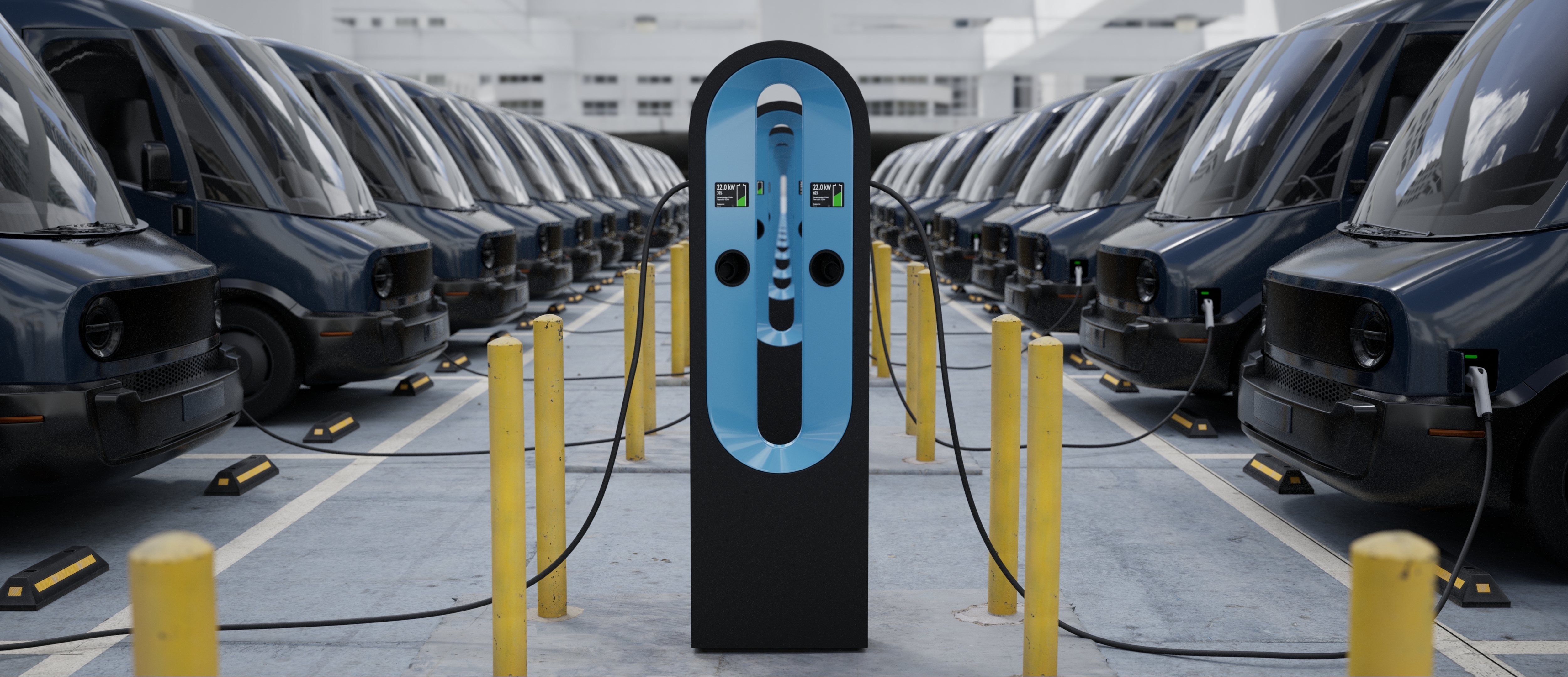
Renewable Energy Is No Longer The “Future” Bit
For years, renewable energy was spoken about as something that would eventually become important. Something for the future. Something promising, but not quite ready to take centre stage.
That future has started arriving.
Solar, wind, hydro and other renewable sources now make up a huge part of global electricity generation. In 2025, renewables overtook coal globally for the first time in a century. That is not a small technical milestone. It is a sign that the balance of power is shifting.
Coal has long been the symbol of dirty electricity. So when renewables overtake coal, it changes the conversation around EVs completely.
It does not mean every charge is perfectly clean. It does not mean fossil fuels have disappeared. But it does mean the old claim that EVs are simply “coal-powered cars” is becoming harder to take seriously.
The electricity going into EVs is getting cleaner. The petrol going into petrol cars is not.
EVs Improve Without The Driver Doing Anything
This is one of the most overlooked advantages of electric cars.
With a petrol or diesel vehicle, the emissions are baked in. The engine burns fuel. The fuel creates emissions. That basic process does not change much, no matter what happens in the wider world.
With an EV, the vehicle is connected to a moving system. If the grid gets cleaner, the car gets cleaner. If more renewable electricity is added, the car benefits. If battery storage helps balance solar and wind power better, the car benefits again.
The owner does not need to fit a new motor. They do not need to buy a new battery. They do not need to change how they drive.
The improvement happens quietly in the background.
That is why judging electric cars only by today’s grid misses the point. EVs are not just a cleaner option now. They are built around an energy system that still has room to get cleaner, cheaper and smarter.
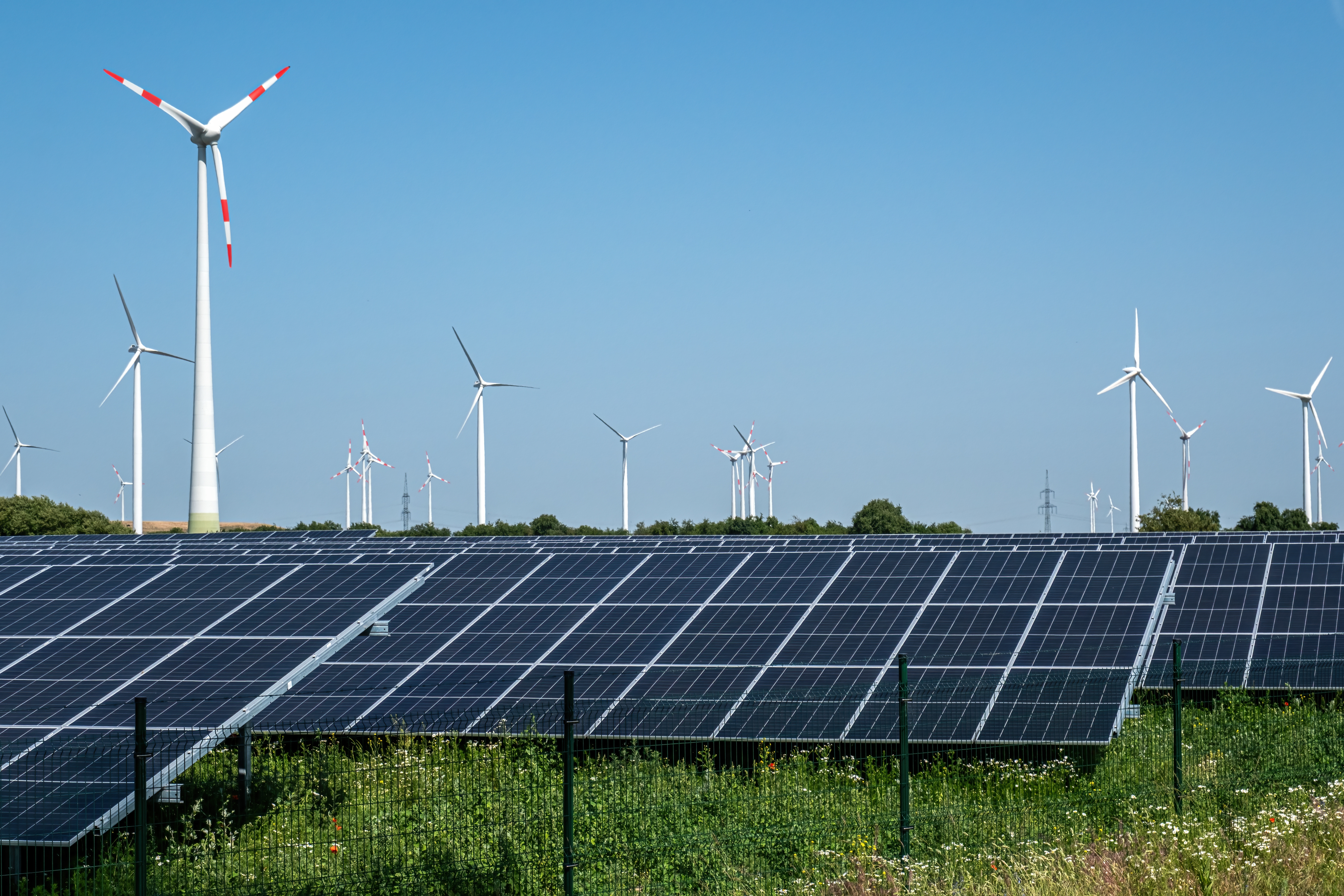
The Money Side Is Getting Harder To Ignore
The EV conversation used to be dominated by environmental arguments. Now, money is becoming just as important.
Renewable energy is growing partly because it is cleaner, but also because it is becoming extremely competitive. Solar power has become cheaper to build, battery storage costs have fallen heavily, and smart energy systems are making it easier to use electricity when it is cheapest.
That matters for drivers.
A petrol or diesel driver has very little control over fuel costs. The price at the pump can change because of oil markets, supply issues, tax changes, currency movements or global events. You pull up, look at the price, and pay it.
EV drivers have more options. They can charge at home. They can use off-peak tariffs. They can schedule charging overnight. Some can add solar panels and home battery storage. Others can use workplace charging or cheaper public chargers when available.
It is not perfect for everyone yet, especially for drivers without off-street parking. But the direction is clear. Electric cars give drivers more ways to manage energy costs than petrol cars ever could.
Home Charging Is Where EVs Make The Most Sense
One of the biggest advantages of electric cars is not just that you can charge them. It is where and when you can charge them.
For drivers with a driveway or home charger, the car can be plugged in overnight while electricity demand is lower. With the right smart tariff, that can make running costs dramatically cheaper than petrol or diesel.
The difference becomes even more interesting when solar panels and battery storage enter the picture.
A home with solar panels can generate electricity during the day. A battery can store some of that electricity for later. A smart tariff can top everything up overnight when prices are lower. The EV then becomes part of that wider home energy setup.
Instead of driving to a forecourt and buying fuel from a global oil chain, the driver can use a mix of home-generated power, stored energy and cheaper off-peak electricity.
That is a completely different kind of motoring.
It is not just about replacing a petrol tank with a battery. It is about changing who controls the energy.

Petrol Cars Are More Dependent Than People Think
There is a strange irony in the way some people talk about electric cars.
EVs are often criticised as being dependent on the grid, as though petrol and diesel cars are somehow independent. But petrol drivers are completely dependent too. They are dependent on oil extraction, shipping, refining, distribution, forecourt pricing and global politics.
If the oil market moves, drivers feel it. If fuel duty changes, drivers feel it. If supply chains are disrupted, drivers feel it. There is very little the average petrol or diesel driver can do about it.
Electricity is not immune from price changes either, but it gives people more routes to reduce exposure. Smart charging, solar panels, batteries and off-peak tariffs all give drivers more control over when and how they power their cars.
That is why the energy independence argument is starting to swing towards EVs, not away from them.
The Real Issues Still Matter
None of this means electric cars are perfect.
Public charging still needs to become more reliable, more consistent and easier to use. Some chargers are too expensive. Some areas still do not have enough infrastructure. EVs are still too costly for some buyers, even though the used market is growing. Flats, rented homes and terraced streets still make home charging difficult for many people.
These are real barriers, and they should not be ignored.
But there is a big difference between pointing out genuine problems and repeating old myths.
Saying public charging needs improvement is fair. Saying EVs are pointless because the grid is dirty is becoming outdated.
The grid is changing. The cars are improving. The charging network is growing. Battery technology is moving forward. The cost argument is getting stronger.
The old objections are not disappearing overnight, but they are losing their edge.
The “Dirty Electricity” Myth Is Running Out Of Power
The electric car debate has moved on.
Range anxiety is not the killer argument it once was. Battery life fears have softened as real-world data has improved. Charging infrastructure is still a challenge, but it is no longer standing still. Now the “dirty electricity” argument is starting to fade as renewable energy grows across the world.
That does not mean EVs are flawless. It means the bigger picture is becoming clearer.
A petrol car is tied to one fuel source for its entire life. An electric car is tied to an electricity system that is getting cleaner, smarter and more flexible.
That is why the old argument is running out of road.
The question is no longer whether electric cars are perfect. They are not.
The question is whether the energy system behind them is moving in the right direction.
And right now, it absolutely is.
Reference List
Carbon Brief (2026) Clean energy pushes fossil-fuel power into reverse for ‘first time ever’. Available at: https://www.carbonbrief.org/clean-energy-pushes-fossil-fuel-power-into-reverse-for-first-time-ever/ (Accessed: 23 June 2026).
Ember (2026) Global Electricity Review 2026. Available at: https://ember-energy.org/latest-insights/global-electricity-review-2026/2025-in-review/ (Accessed: 23 June 2026).
GOV.UK (2026) Advisory fuel rates. Available at: https://www.gov.uk/guidance/advisory-fuel-rates (Accessed: 23 June 2026).
MoneySavingExpert (2026) Electric vehicle energy tariffs. Available at: https://www.moneysavingexpert.com/utilities/ev-energy-tariffs/ (Accessed: 23 June 2026).