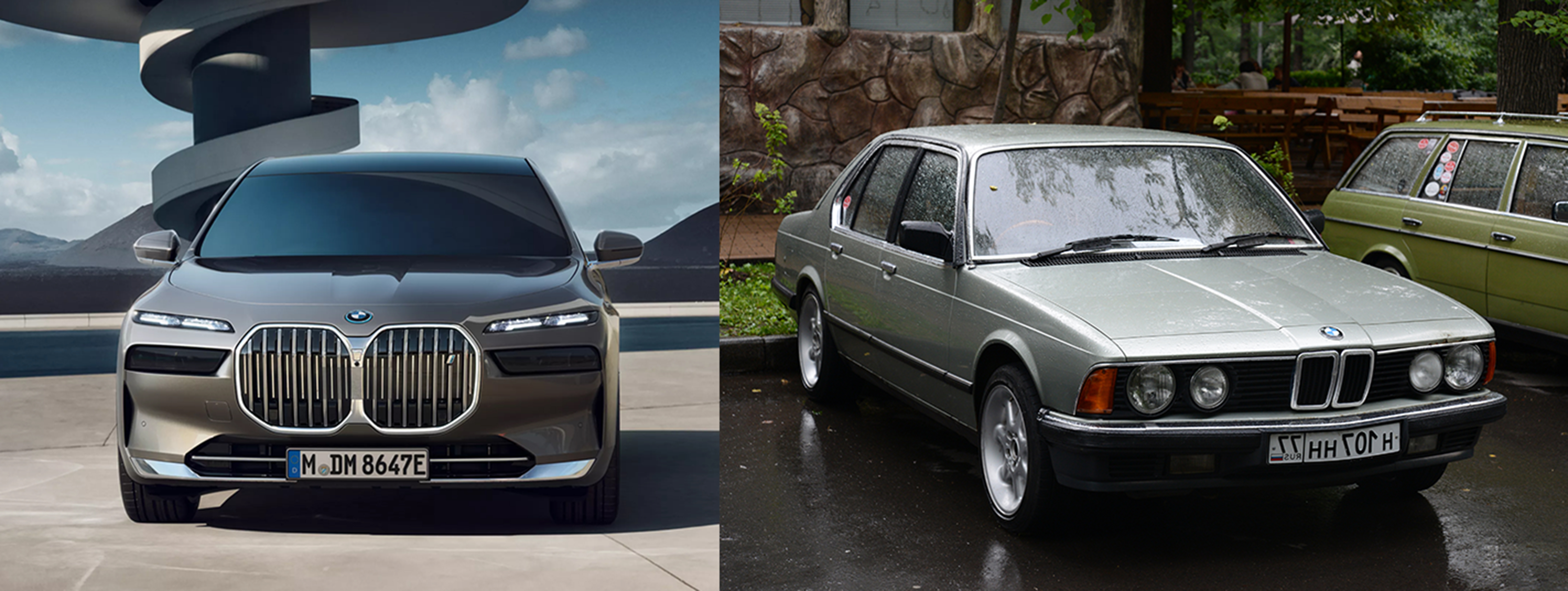
Stranger Things BMW 733i (E23) vs the All-Electric BMW 7 Series
A tale of old-school cool and modern electric luxury
Some cars don’t just appear on screen — they set the mood.
In Stranger Things, the BMW 733i plays that role perfectly. It’s calm, authoritative, and unmistakably premium in a very 1980s way. Back then, this was the executive car — understated power, serious engineering, and just enough luxury to let you know you’d made it.
Fast-forward to today, and BMW’s flagship has evolved into something entirely different. The BMW 7 Series is now fully electric, unapologetically high-tech, and built to cocoon its occupants in near-silent luxury.
Two 7 Series. Two eras. Very different ideas of what “the future” looks like.
Engine & Performance: Smooth Power, Then and Now
The BMW 733i E23 was all about refined muscle.
Its 3.2-litre inline-six produced 194 bhp, driving the rear wheels through a manual or automatic gearbox. With a 0–62mph time of around 8.9 seconds and a top speed of 127mph, it wasn’t trying to be aggressive — it was confident, composed, and effortless on the motorway.
The modern electric BMW 7 Series rewrites that script completely. Instant torque launches it from 0–62mph in just 4.7 seconds, with a top speed capped at 149mph. No gears, no drama — just seamless acceleration delivered in near silence, backed by a real-world range of up to 387 miles.
What once felt advanced now feels charming. What’s current feels… intoxicating.
Luxury & Interior: Executive Comfort vs Digital Theatre
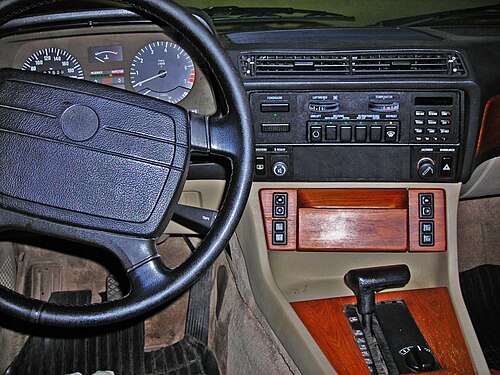
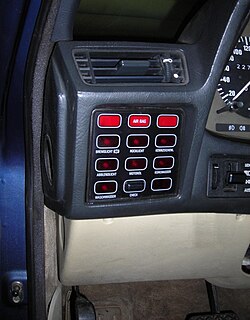
Inside the E23, luxury meant innovation for its time. On-board computer systems, a check-control panel, power windows and mirrors, complex climate control, rich wood trim, and plush velour or leather seating. Later models even introduced ABS and an optional driver’s airbag — ground-breaking features in their day.
The electric BMW 7 Series takes that legacy and turns the volume all the way up.
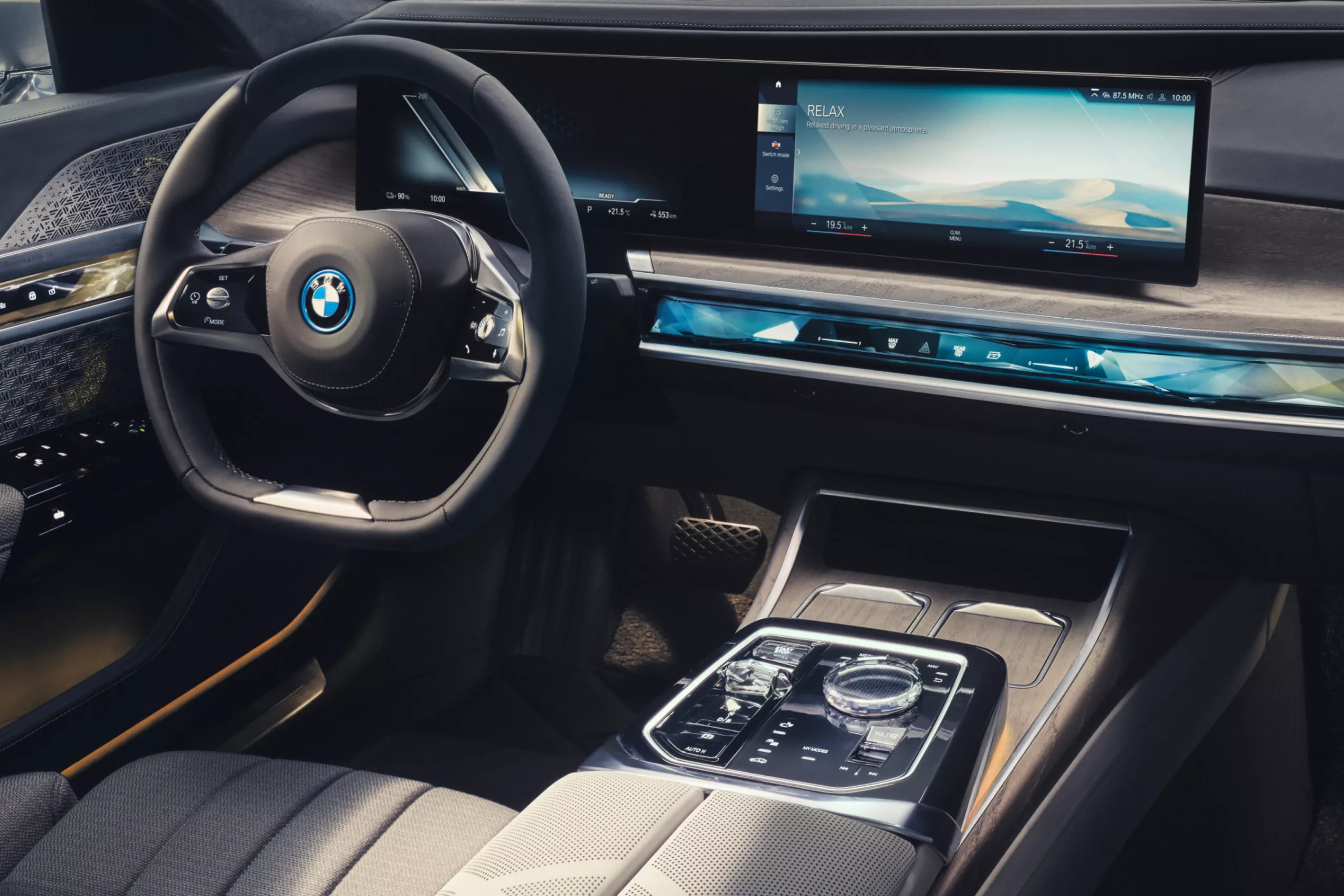
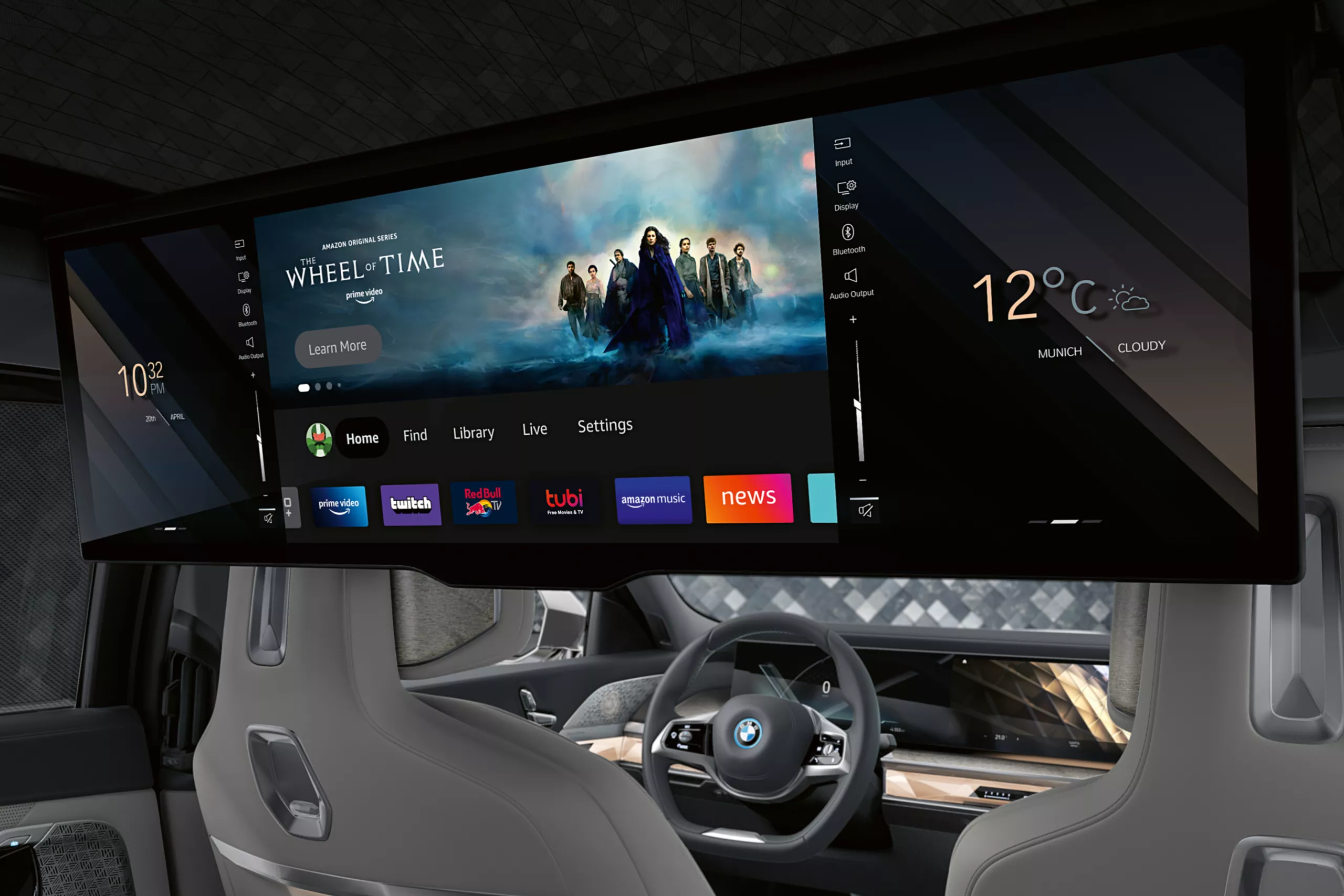
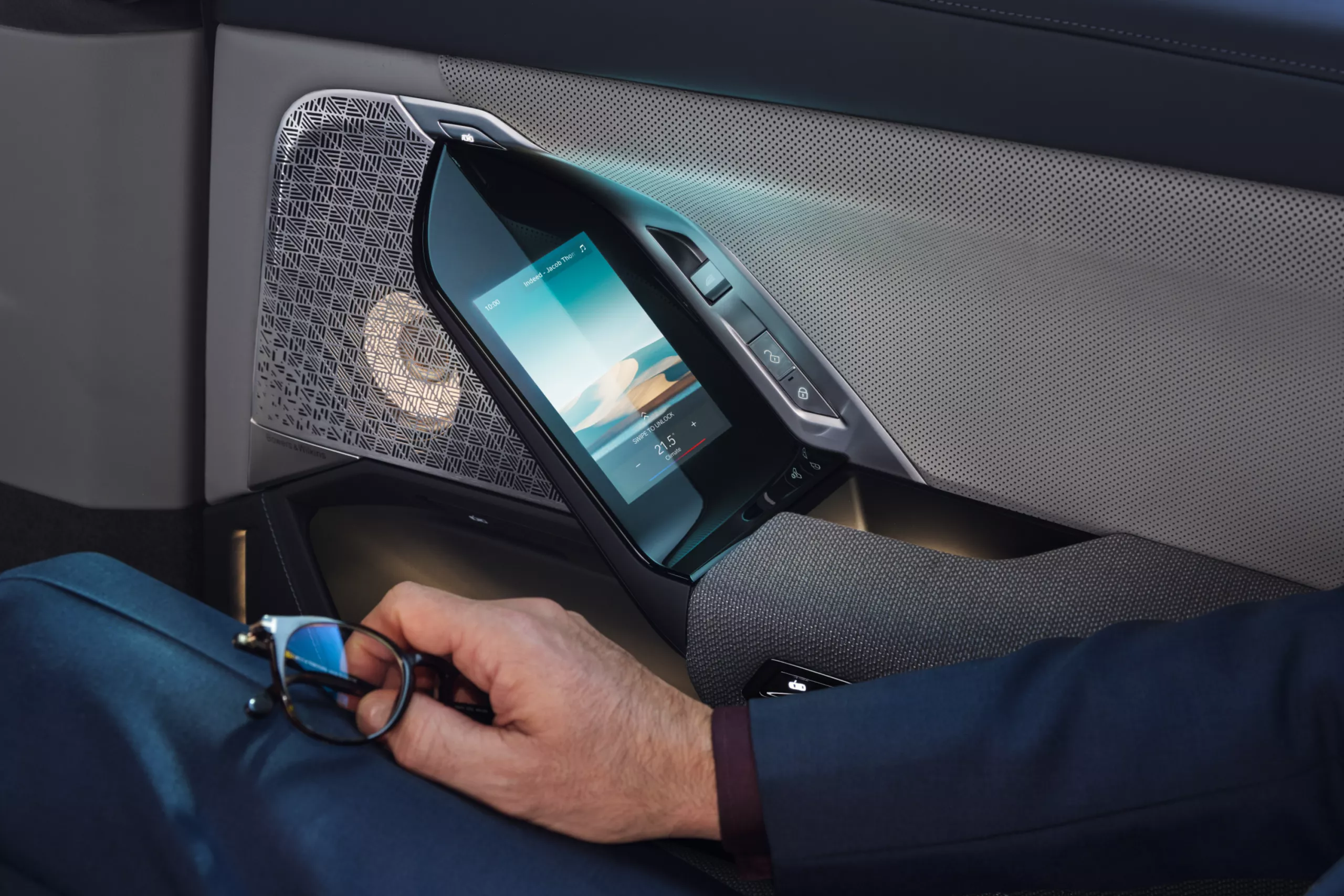
A sweeping BMW Curved Display combines a 12.3-inch digital instrument cluster with a 14.9-inch central touchscreen. Rear passengers get their own 5.5-inch door-mounted touchscreens to control climate, seats, sunshades and infotainment. And then there’s the showstopper: an optional 31.3-inch Theatre Screen with Amazon Fire TV, transforming the back seats into a private cinema.
Add Bowers & Wilkins audio, automatic doors, massage seats, cashmere-blend materials and BMW’s iconic sound design, and you’re no longer just travelling — you’re indulging.
Practicality & Presence
The E23 carried its presence with restraint. Rear-wheel drive balance, traditional suspension, and a solid 1,600kg kerb weight made it feel planted and reassuring — perfect for long, confident journeys.
The electric BMW 7 Series proves that luxury doesn’t mean compromise. A generous 525-litre boot, effortless daily usability, and technology that quietly works in the background make it as practical as it is prestigious.
Two Futures, One Philosophy
The BMW 733i E23 represented the future of luxury in the 1980s — measured, mechanical, and unmistakably premium. The fully electric BMW 7 Series represents today’s future — silent, digital, and unapologetically indulgent.
Different decades. Different technology.
But the same message runs through both: BMW doesn’t chase trends — it defines what luxury feels like next.
And honestly? That kind of confidence never goes out of style.
Credits to Wikimedia commons for images of the bmw 7 series
Credits to Wikimedia commons for images the bmw 733i e23