










Should We Be Worried About EV Battery Health?
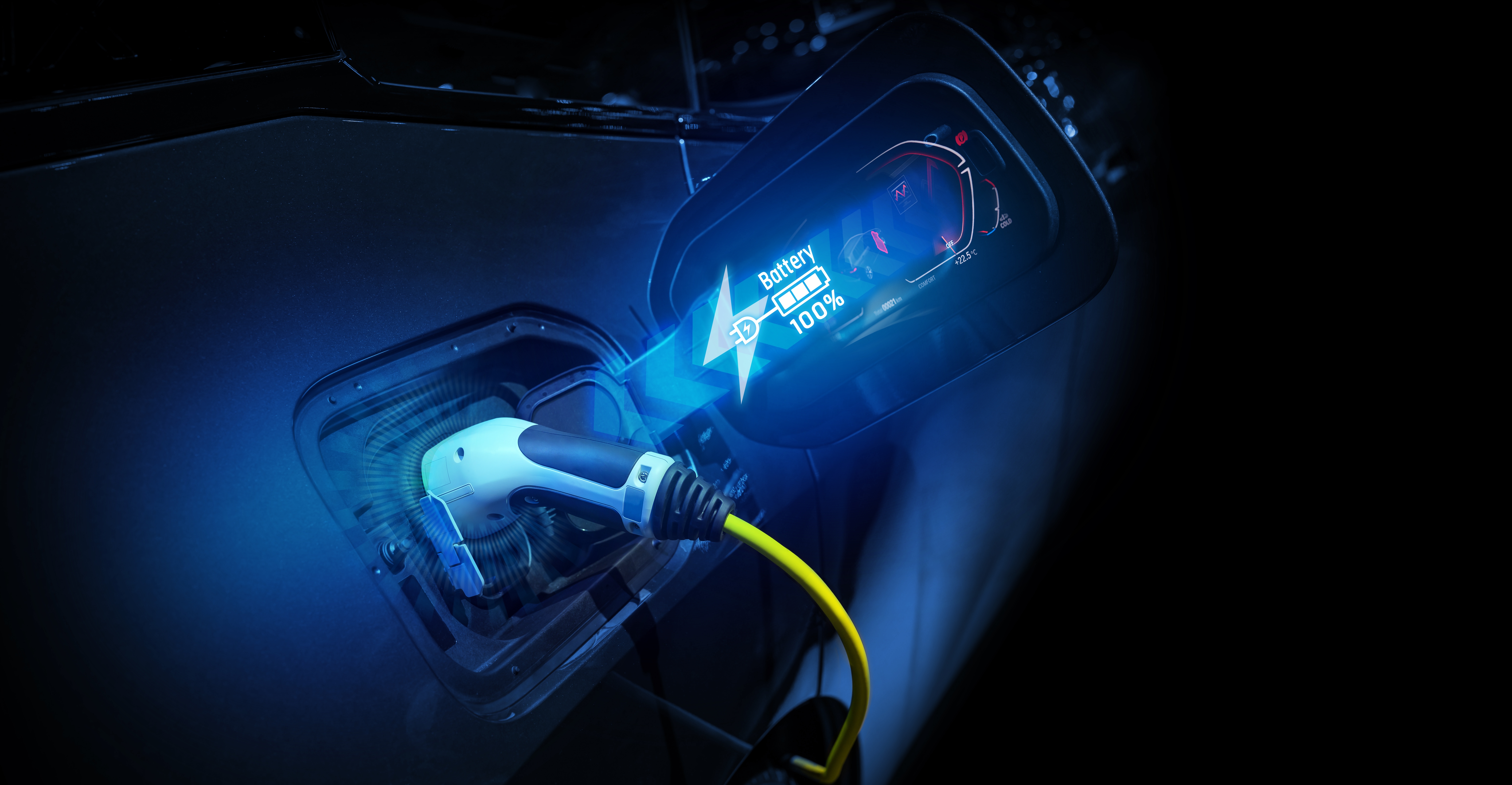
Electric vehicles are everywhere right now on the roads, in the news, and all over the leasing market. But there’s one question that just won’t go away… what actually happens to the battery over time?
It’s not just everyday drivers asking either. Industry experts are now putting EV battery health right under the spotlight, and it’s set to be a major talking point at this year’s Fleets in Charge conference.
Why battery health matters more than ever
When it comes to electric vehicles, the battery is everything. It affects range, performance, charging speed and most importantly, value.
For anyone considering a used EV, battery condition can feel like a bit of a grey area. Unlike a petrol or diesel car where wear and tear is more familiar, EV battery degradation isn’t always easy to understand. That uncertainty alone can be enough to put buyers off.
But here’s the thing, a lot of the worry might not actually match reality.
Are the concerns justified?
A key session at the event, led by Alexander Millinger, is diving straight into the big question: should we actually be worried?
Backed by data from companies like Autotrader, Geotab and Fleet Assist, early insights suggest battery degradation is often far less dramatic than people expect.
In many cases, EV batteries hold up well over time, especially with modern battery management systems constantly working behind the scenes to protect long-term health.
The push for more transparency
One of the biggest shifts coming in the EV space is transparency.
There’s growing discussion around introducing standardised battery health reporting, something that could completely change the used EV market. Proposed developments like GTR22 and new government consultations around battery monitoring aim to give buyers clearer, more reliable information before they commit.
Think of it like a mileage check… but for battery life.
And once that becomes normal? Confidence in used EVs could jump massively.
What this means for drivers and businesses
For businesses running fleets, battery health isn’t just a technical detail, it directly impacts residual values, replacement cycles and overall costs.
For everyday drivers, it’s all about peace of mind.
The more data and clarity available, the easier it becomes to make the switch to electric without second-guessing the long-term reliability.
So… should you be worried?
Right now, the honest answer is: probably less than you think.
Yes, batteries degrade over time, but not at the scary rate many people imagine. And with better data, stronger regulations, and improved technology on the way, that uncertainty is starting to fade.
The real takeaway? EVs aren’t just the future anymore, they’re becoming a safer, smarter choice in the present too.