New Tesla Cybercab: Is This The Future Of Taxis Or Has Tesla Gone Full Sci-Fi?
Tesla has never been shy when it comes to making cars that get people talking, but the new Cybercab might be one of its boldest ideas yet.
No steering wheel. No pedals. No traditional charging port. Just two seats, a giant screen and the promise of fully autonomous electric transport.
It sounds like something that should be parked outside a spaceship, not waiting outside a shopping centre, but Tesla is very serious about it. Now, thanks to details linked to US Environmental Protection Agency documents, we are starting to get a clearer idea of what the Cybercab could actually offer.
A Tesla With No Steering Wheel? Yes, Really
The Cybercab is designed as a fully autonomous robotaxi, meaning there is no driver in the traditional sense. In fact, there is not even a steering wheel or pedals inside.
Instead, passengers simply get in, choose where they want to go and let the car do the rest. That is the idea anyway.
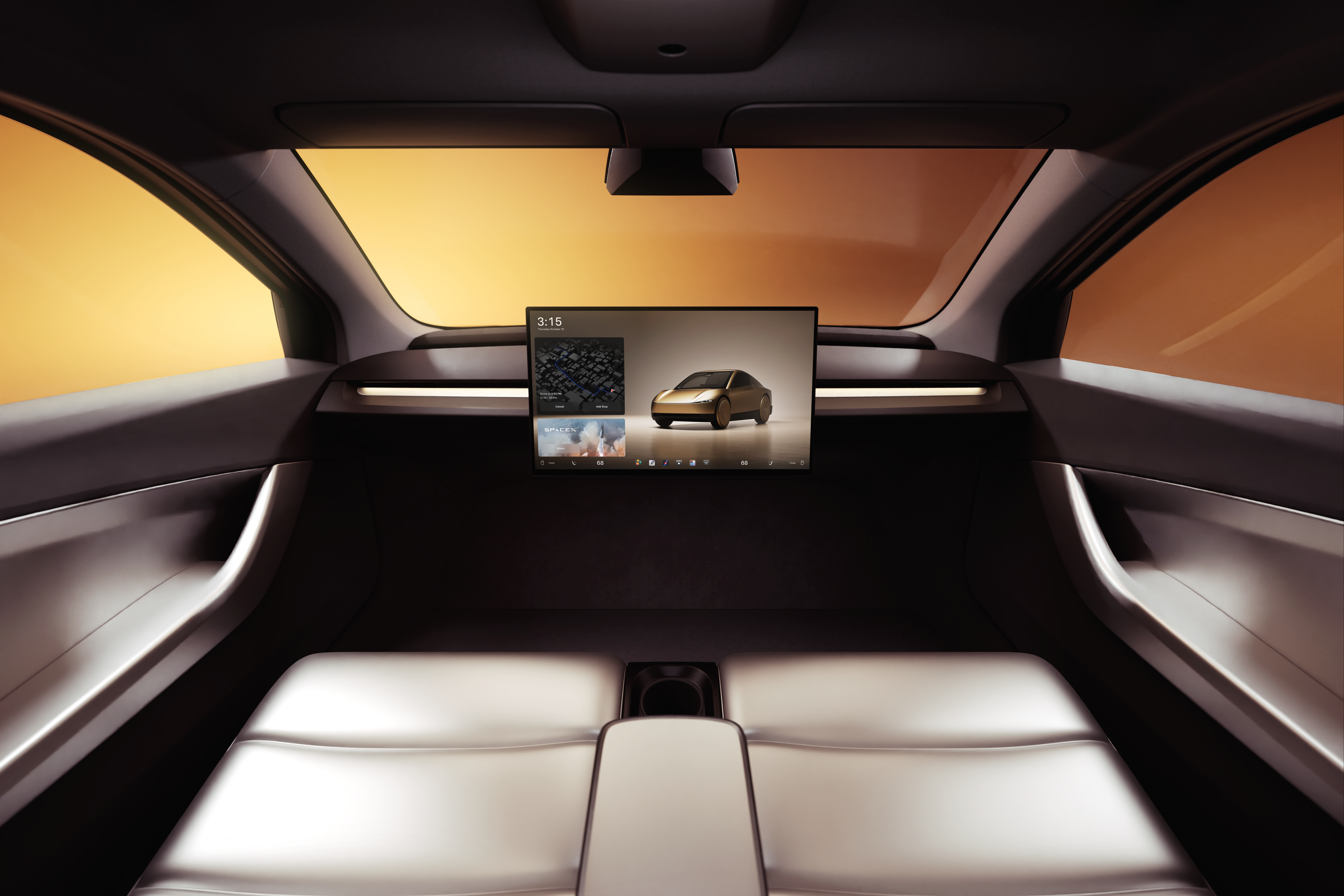
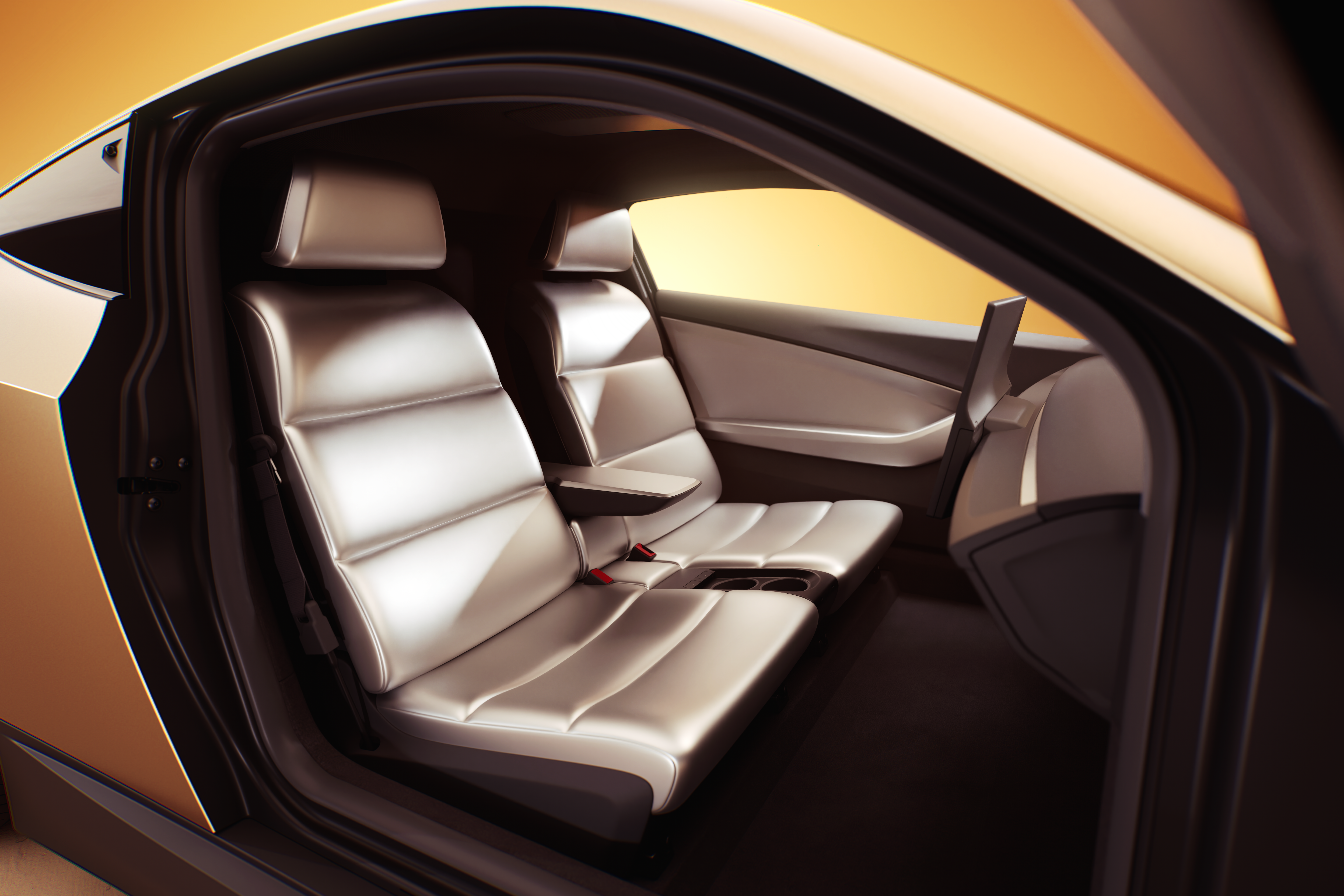
Inside, Tesla has kept things extremely minimal. There are two seats, cupholders, an armrest and a large 20.5-inch screen used to control the car’s main functions. Compared with even the cleanest Tesla interiors, this takes minimalism to another level.
It is not really a car you drive. It is more like a little electric lounge that happens to move.
The Cybercab Could Be Tesla’s Most Efficient EV Yet
The latest details suggest the Cybercab could use a battery around the 48kWh mark, paired with a single electric motor producing around 219bhp.
That may not sound wild by Tesla standards, especially when the brand is known for ridiculously quick EVs, but the Cybercab is not built to win traffic light drag races. It is built to be light, efficient and cheap to run.
Reports suggest it weighs around 3,113lbs, which is roughly 1,412kg. For an electric car, that is impressively light. A smaller battery, no traditional driving controls and a design focused on efficiency all help keep the weight down.
The headline range figure being talked about is 418 miles, although that is understood to be an unadjusted test figure rather than the kind of final real-world number drivers would normally expect. Once adjusted, some reports suggest the usable figure could be closer to 290 to 300 miles.
Still, for a compact autonomous taxi with a relatively small battery, that is seriously impressive.
Front-Wheel Drive From Tesla? That’s A First
One of the most interesting details is that the Cybercab is expected to be front-wheel drive.
That would make it very different from Tesla’s usual setup, as the brand has traditionally used rear-wheel drive or all-wheel drive layouts across its passenger cars.
The reason is likely packaging. With the motor at the front and no need to design around a human driver, Tesla can free up as much space as possible inside the cabin. For a small two-seat vehicle designed to carry passengers rather than entertain drivers, that makes a lot of sense.
It might not sound very “Tesla performance”, but for a robotaxi, comfort and efficiency matter more than smoky launches from the lights.
Wireless Charging Could Be The Big Party Trick
One of the most futuristic parts of the Cybercab is the way it charges.
Tesla has spoken about using inductive charging, which means the Cybercab would not need to be plugged in like a normal EV. Instead, it would park over a charging pad and recharge wirelessly.
That is a huge deal for a robotaxi. If the whole point is that the car operates without a driver, then having someone plug it in every few hours would feel a bit awkward. Wireless charging makes the whole system feel much more automated.
There was no visible charging port on the prototype either, which suggests Tesla may be fully committing to the wireless idea.
Of course, that also means the Cybercab probably will not use Tesla’s Supercharger network in the normal way, at least not in its current form.
The Design Is Very Tesla, Very Cybertruck, Very Strange
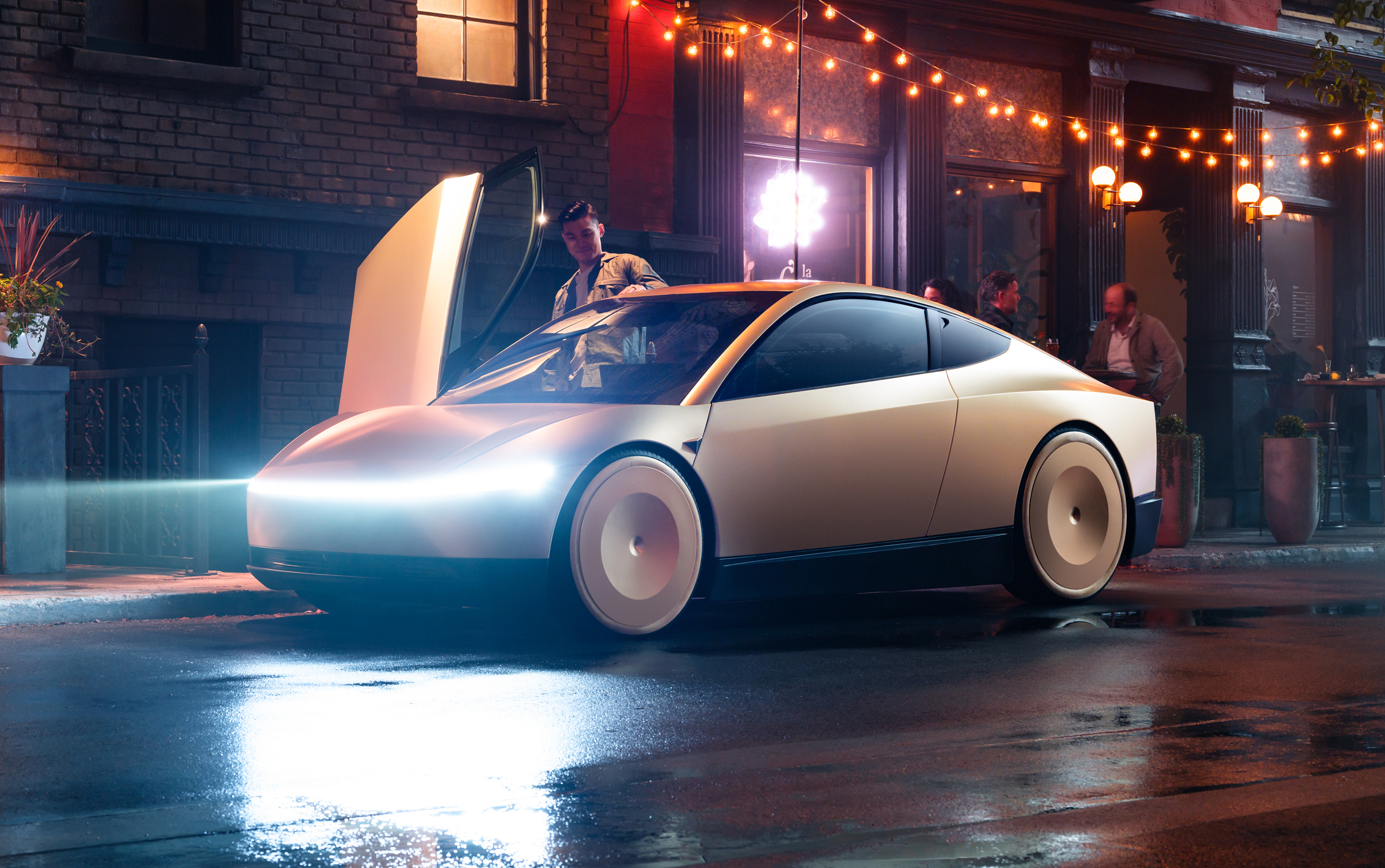
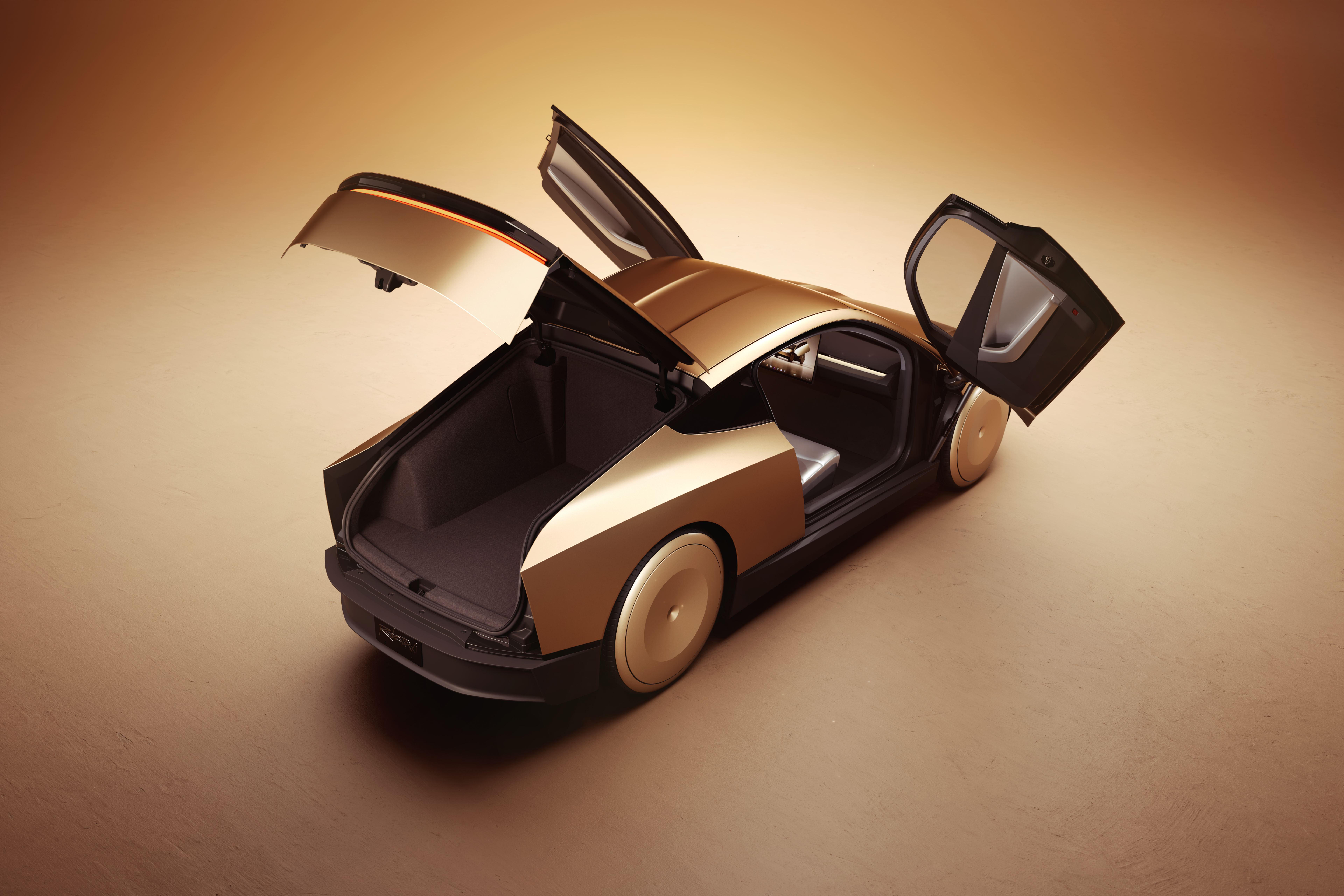
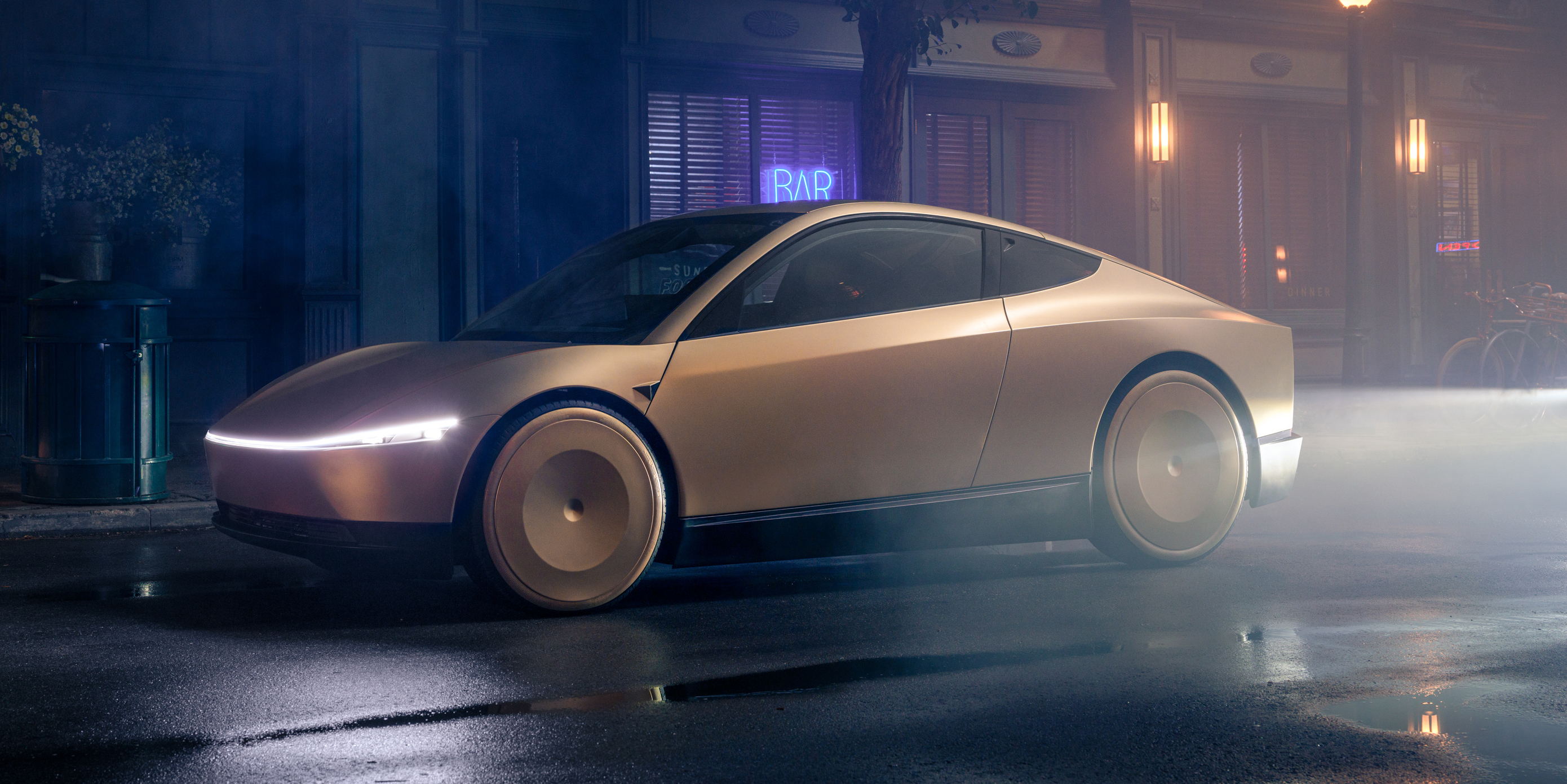
From the outside, the Cybercab looks like Tesla asked someone to shrink the Cybertruck, smooth it out and turn it into a tiny futuristic taxi.
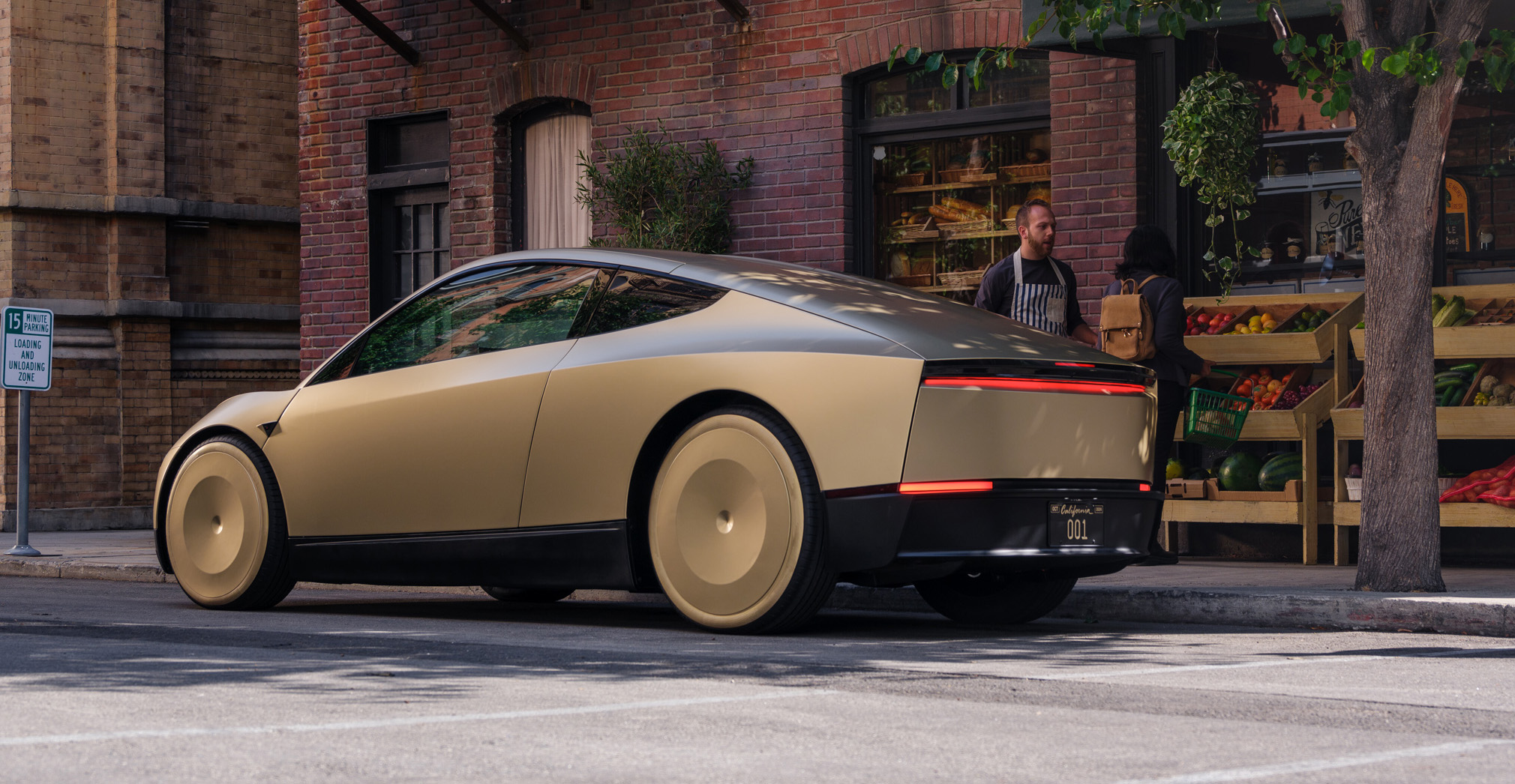
It has a sleek coupe-like shape, smooth bodywork, full-width light bars and butterfly-style doors. There are no traditional side mirrors and no rear window either, which gives it a properly concept-car look.
Whether all of that makes it to production remains to be seen. Concept cars often arrive looking dramatic and then leave the factory looking a bit more sensible.
But even if Tesla tones it down slightly, the Cybercab is still likely to be one of the most recognisable cars on the road.
Could It Work In The UK?
This is where things get interesting.
The UK has already taken steps towards allowing fully autonomous vehicles on public roads through the Automated Vehicles Act. The idea is that self-driving vehicles must be at least as safe as careful and competent human drivers before they are allowed to operate.
That sounds promising for cars like the Cybercab, but there are still plenty of questions.
A vehicle with no steering wheel and no pedals is not just a new type of car. It is a completely different way of thinking about transport. Regulators will need to be happy that the technology can handle UK roads, which means roundabouts, tight streets, unpredictable pedestrians and that one person who always walks across the road without looking.
So while the Cybercab might be technically impressive, getting it legally approved for UK use could be the real challenge.
How Much Could The Tesla Cybercab Cost?
When Tesla first revealed the Cybercab, Elon Musk suggested it could cost around $30,000. That works out at roughly £23,000, depending on exchange rates and market conditions.
That sounds surprisingly affordable for something this futuristic, but it is worth remembering that Tesla timelines and prices can change.
There are also no confirmed UK launch plans yet, so for now, this is more of a “watch this space” car than something you can expect to see on your local high street next week.
So, Is The Cybercab Genius Or Madness?
Honestly, it might be a bit of both.
On one hand, the Tesla Cybercab is exactly the sort of vehicle people imagine when they think of the future. Fully electric, fully autonomous, wirelessly charged and built without the usual controls we have had in cars for over a century.
On the other hand, that is also what makes it such a big challenge. The technology, the laws, the infrastructure and public trust all need to catch up before cars like this become normal.
But whether you think it is brilliant, bizarre or slightly terrifying, one thing is clear: Tesla has once again made a car that nobody can ignore.
The Cybercab may not be arriving on UK roads tomorrow, but it has definitely opened up a very interesting question.
Are we looking at the future of taxis, or just the weirdest Tesla yet?
Credits
Credits go to Tesla for images