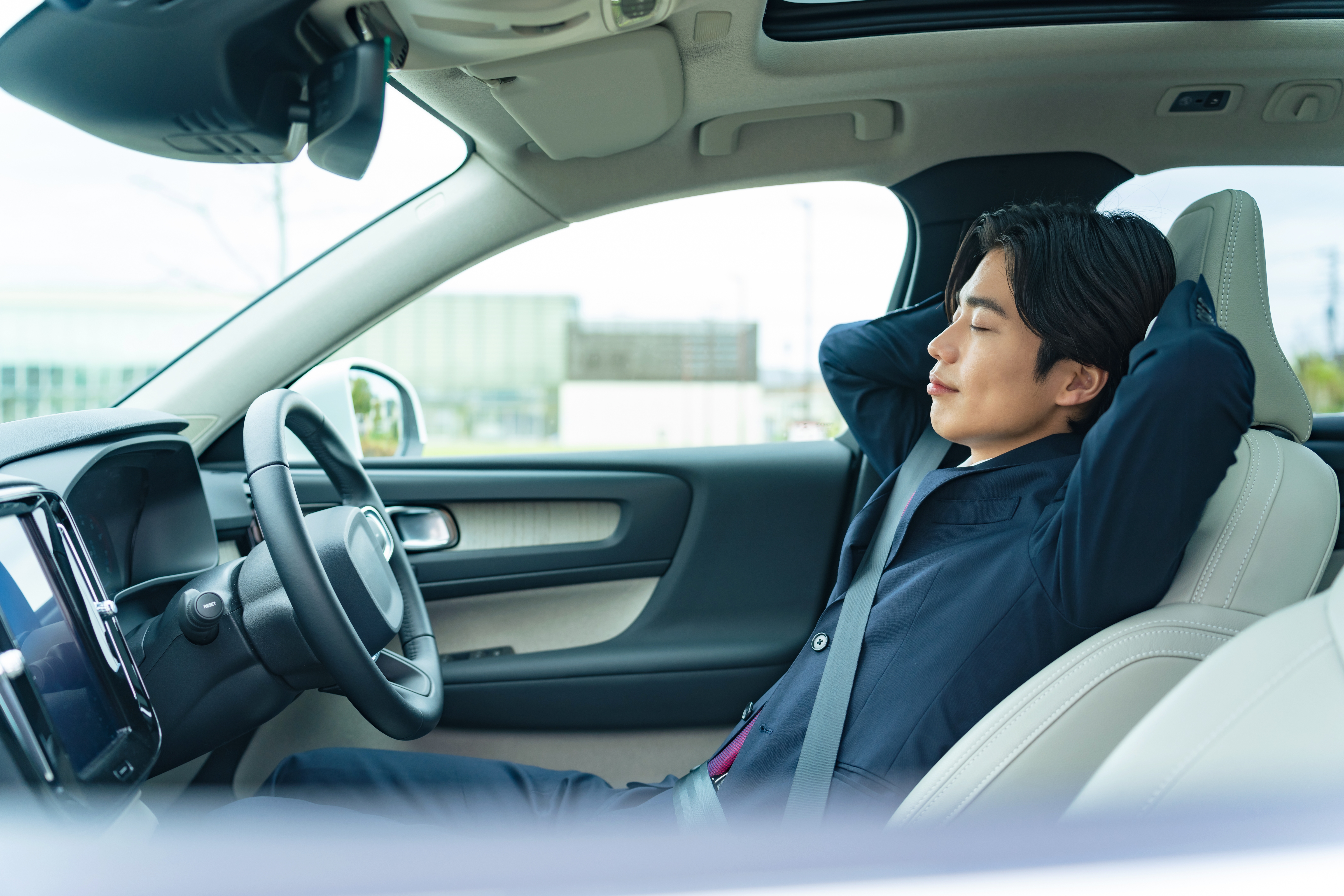
Is the Future of Driving Actually Less Driving?
For years, the idea of self driving cars felt like one of those things that was always “just around the corner”. A bit like flying cars, robot butlers and fridges that do your shopping for you.
But now, it is starting to feel a lot less like science fiction and a lot more like something quietly creeping into everyday driving. Not necessarily in the dramatic “throw away your steering wheel tomorrow” kind of way, but in the small things. Cars that park themselves. Cars that keep themselves in lane. Cars that slow down when traffic does. Cars that tell you off before you have even realised you are drifting towards the white line.
So, the big question is this: is the future of driving actually less driving?
Your Car Is Slowly Becoming Your Co Pilot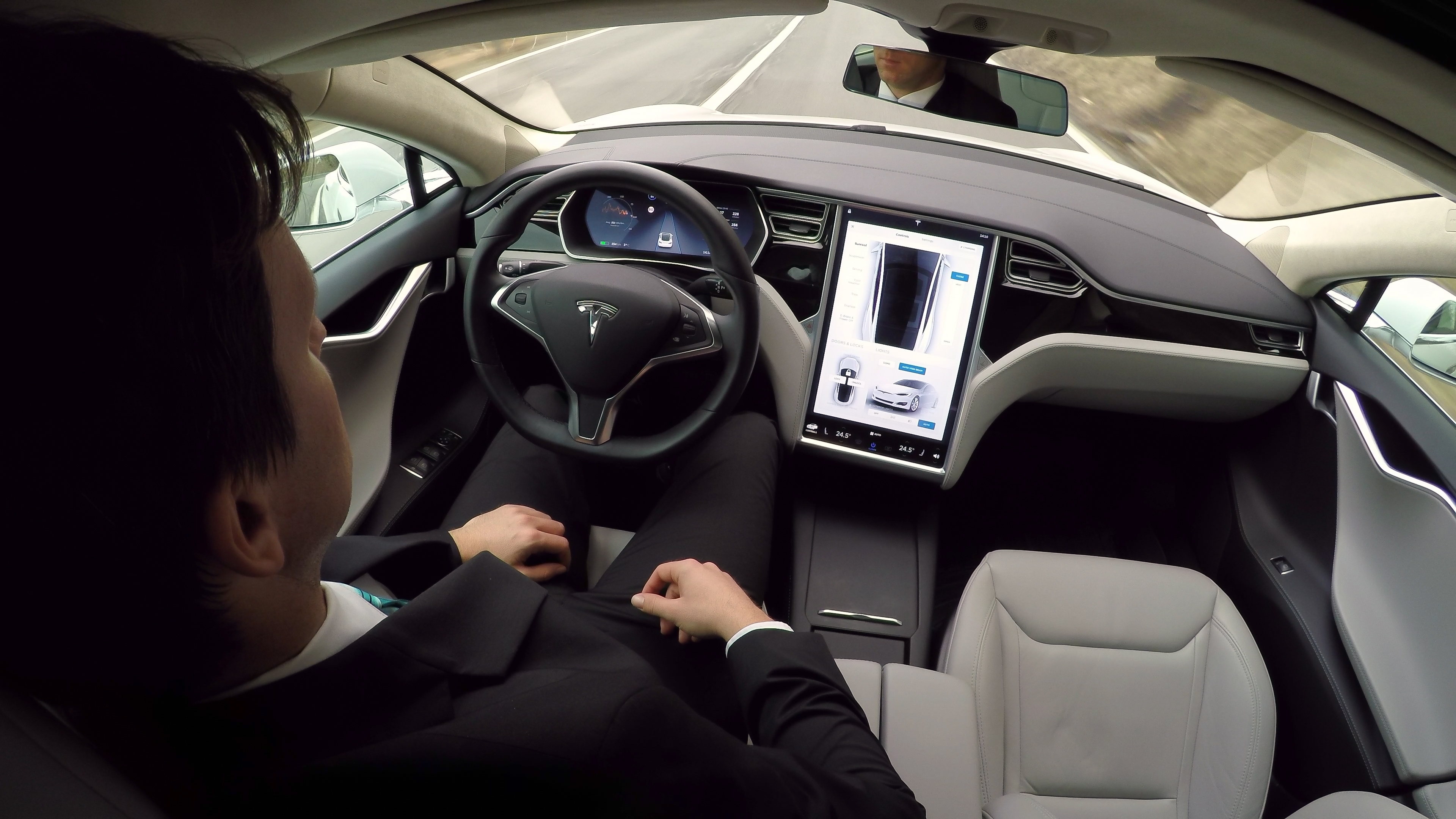
Most drivers are not jumping straight from a normal car into a fully driverless pod. That is not how this future is arriving. Instead, it is coming through features many people already use without thinking about them.
Adaptive cruise control, lane keeping assist, traffic sign recognition, emergency braking and parking assistance are all examples of cars taking a little bit of the workload away from the driver. You are still in charge, but the car is no longer just sitting there waiting for instructions. It is watching, warning and sometimes stepping in.
That is probably the most realistic version of “less driving” for most people right now. Not a car that completely replaces you, but a car that makes the boring, stressful or repetitive parts of driving easier.
Think motorway traffic. Nobody enjoys crawling along at 12mph, braking every few seconds, then speeding up for three metres before doing it all again. If a car can help manage that, it is not exactly taking away the joy of driving. It is taking away the bit everyone secretly hates.
Robotaxis Are Not Just Movie Props Anymore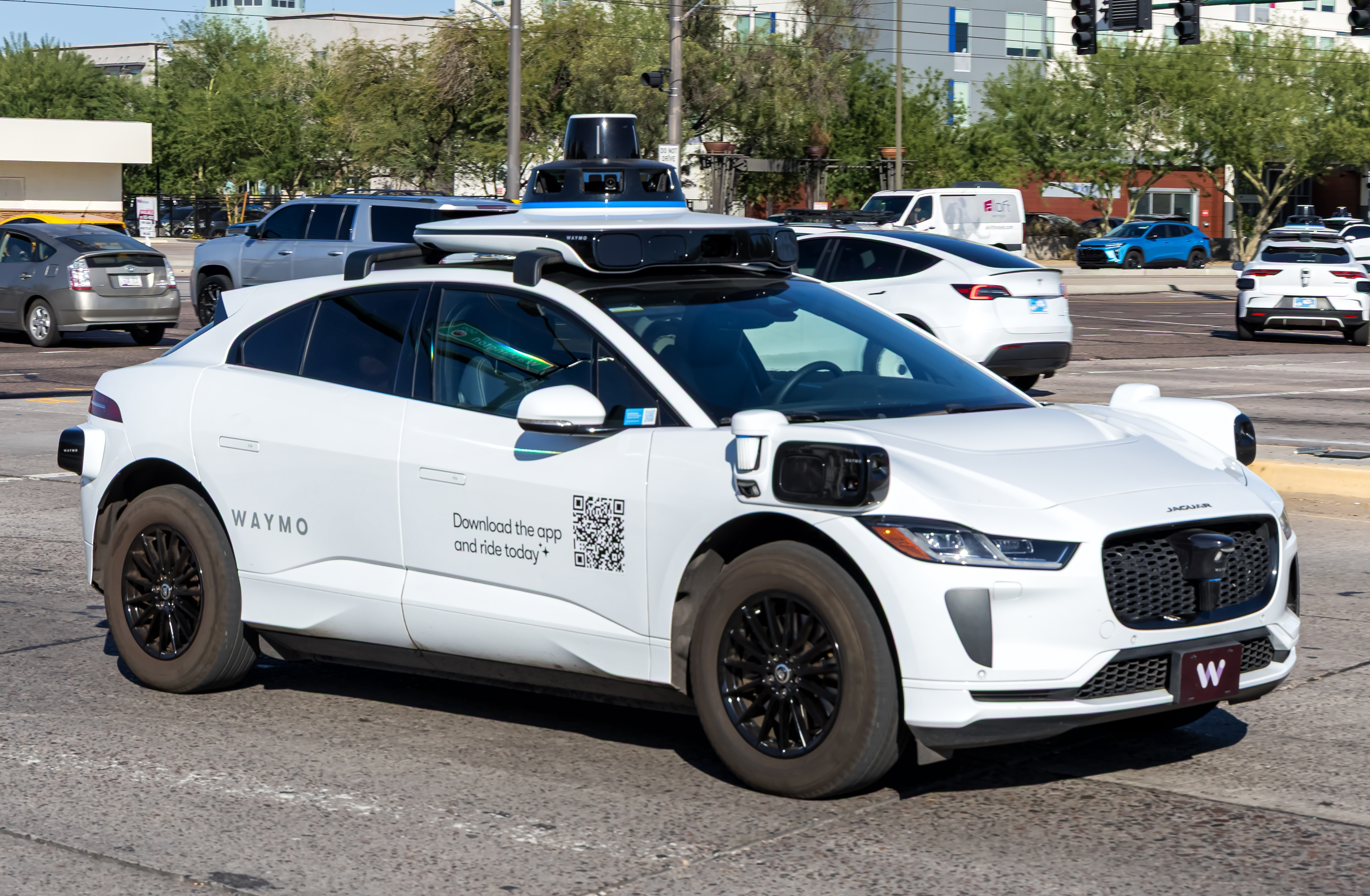
The robotaxi side of things is where it starts to feel a bit more futuristic. In the US, autonomous taxi services are already operating in several cities, with Waymo listing rider services across places including Phoenix, San Francisco, Los Angeles, Austin and more.
Tesla has also moved into robotaxi territory, with its own robotaxi rides being offered in parts of Texas including Austin, Dallas and Houston. Meanwhile, Zoox has been developing a purpose-built robotaxi with no traditional driver layout, designed more like a small lounge on wheels than a normal car.
That sounds wild, but it also shows how differently companies are imagining the future. Some are trying to make today’s cars drive themselves. Others are asking whether a driverless vehicle needs to look like a normal car at all.
Because if nobody is driving, why does everyone need to face forwards? Why do you need a steering wheel? Why do you need pedals? Why not design the whole thing around passengers instead?
It is a strange thought, but it might be one of the biggest changes in car design since the invention of the car itself.
The UK Is Getting Ready Too
This is not just happening across the pond. The UK has been preparing for self driving vehicles through new laws and pilot schemes. The Automated Vehicles Act became law in May 2024, with the government saying self driving vehicles could be on British roads from 2026.
More recently, government guidance confirmed that from spring 2026, companies can apply to run commercial services using self driving vehicles without a safety driver on roads in England, Scotland and Wales.
That does not mean the roads will suddenly be full of empty driverless cars overnight. The rollout is likely to be controlled, tested and limited at first. But it does mean the UK is moving from “interesting experiment” to “real world trial”.
Wayve and Uber have also announced plans for Level 4 autonomous vehicle trials in London, which would test fully autonomous driving in one of the busiest and most complicated road environments around.
And let’s be honest, if a self driving car can handle London traffic, bus lanes, cyclists, impatient taxis, confusing junctions and someone stepping into the road holding a Pret bag, it deserves some respect.
But Will People Actually Trust It?
This is where things get interesting.
Car technology can be brilliant, but drivers are not always instantly comfortable with it. Plenty of people still turn off lane assist because they think the car is fighting them. Some drivers do not fully trust automatic parking. Others barely use cruise control because they prefer to feel fully in control.
So even if the technology keeps improving, the human side matters just as much.
A car can be capable of helping, but the driver still has to trust it enough to let it help. That is a big shift. For over a century, driving has been about control. Hands on the wheel, eyes on the road, feet ready. The idea of handing any part of that over to software feels unnatural to a lot of people.
Mercedes-Benz explains this difference well with its Level 3 DRIVE PILOT system, where under certain conditions, the vehicle can take over the driving task and the person at the wheel can turn attention away, but must still be ready to take back control when requested.
That middle ground might be the biggest challenge. Fully manual driving is easy to understand. Fully driverless travel is easy to understand. But a car that sometimes drives while you sometimes supervise? That needs drivers to understand exactly what the system can and cannot do.
Less Driving Does Not Mean No Driving
For people who love driving, this whole conversation can sound a bit depressing. Nobody wants the fun taken out of cars. Nobody wants a world where every journey feels like sitting in a waiting room with wheels.
But that probably is not where things are heading.
The better way to look at it is this: future car tech could remove the worst bits of driving, not the best bits.
Motorway queues? Let the car help. Tight parking spaces? Let the car handle it. Stop start traffic? Let the system take some of the stress away. Long journeys? Let driver assistance make them smoother.
Then, when you are on a good road, in good conditions, in a car you actually enjoy, you still drive.
That is the sweet spot. Less boring driving. Less stressful driving. Less tiring driving. Not necessarily less enjoyment.
What This Means for Everyday Drivers
For most people, the near future is not going to be a steering wheel-free pod arriving at their house every morning. It is more likely to be a car with better driver assistance, smarter safety systems and more technology designed to make journeys easier.
That matters for leasing too, because newer cars tend to bring newer tech. When you lease, you are often stepping into a vehicle with more up-to-date safety, connectivity and assistance features than an older car might offer.
So, is the future of driving actually less driving?
Probably, yes. But not in the scary “robots have taken the wheel” way. More in the “your car is getting clever enough to help with the bits you never liked anyway” way.
And honestly, if the future means fewer stressful commutes, easier parking and less time crawling through traffic doing the brake pedal shuffle, maybe less driving does not sound so bad after all.
References
GOV.UK. (2024) Self-driving vehicles set to be on roads by 2026 as Automated Vehicles Act becomes law. Available at: GOV.UK. Accessed: 30 June 2026.
GOV.UK. (2025) Driving innovation: pilots of self-driving vehicles fast-tracked. Available at: GOV.UK. Accessed: 30 June 2026.
Mercedes-Benz Group. (n.d.) Automated and autonomous driving: legal framework. Available at: Mercedes-Benz Group. Accessed: 30 June 2026.
Mercedes-Benz USA. (n.d.) DRIVE PILOT automated driving. Available at: Mercedes-Benz USA. Accessed: 30 June 2026.
Tesla. (n.d.) Robotaxi. Available at: Tesla Support. Accessed: 30 June 2026.
The Verge. (2026) Zoox’s purpose-built robotaxi is getting a refresh. Available at: The Verge. Accessed: 30 June 2026.
Waymo. (n.d.) Self-driving cars: autonomous vehicles and ride-hail. Available at: Waymo. Accessed: 30 June 2026.
Waymo. (n.d.) Autonomous ride-hailing in Los Angeles, CA. Available at: Waymo. Accessed: 30 June 2026.
Wayve. (2025) Wayve and Uber partner to launch L4 autonomy trials in the UK. Available at: Wayve. Accessed: 30 June 2026.
Credits
Thumbnail image belongs to Shutterstock metamorworks
Image of Tesla Self Driving car belongs to Flystock Shutterstock
Image of Waymo car belongs to Shutterstock Markus Mainka