










How To Keep Your Car Safe in a Heatwave
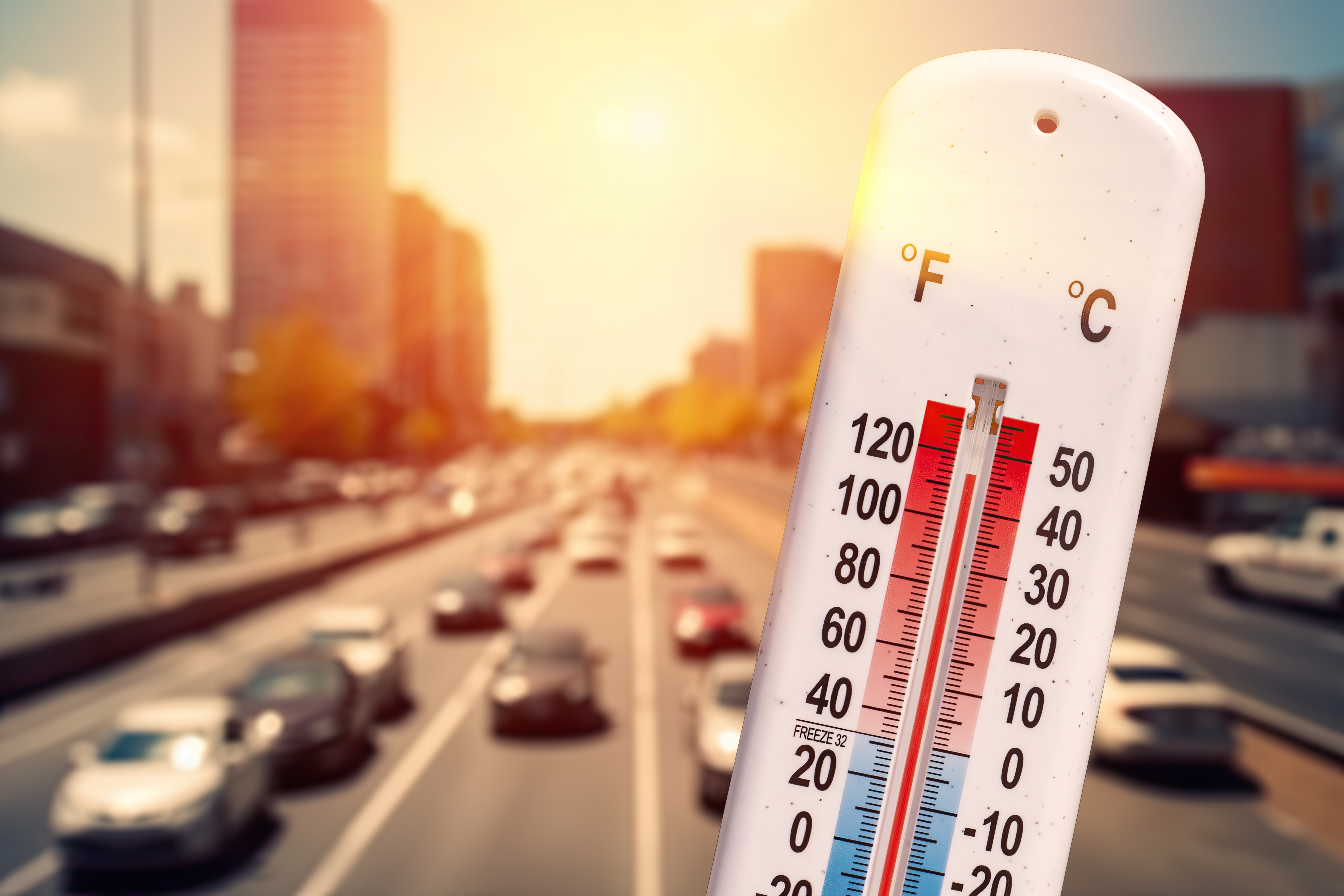
With temperatures rising across the UK, it is not just people who can struggle in the heat. Cars can feel the pressure too, especially during longer journeys, busy traffic or stop-start driving in direct sun.
At the time of writing, the UK is experiencing a significant heatwave, with the Met Office issuing extreme heat warnings across parts of England and Wales. While most drivers know to keep themselves cool and hydrated, it is just as important to make sure your vehicle is prepared before you set off.
From tyres and coolant to air conditioning and EV range, here are some simple checks that can help keep your car safe during hot weather.
Check Your Tyres Before You Drive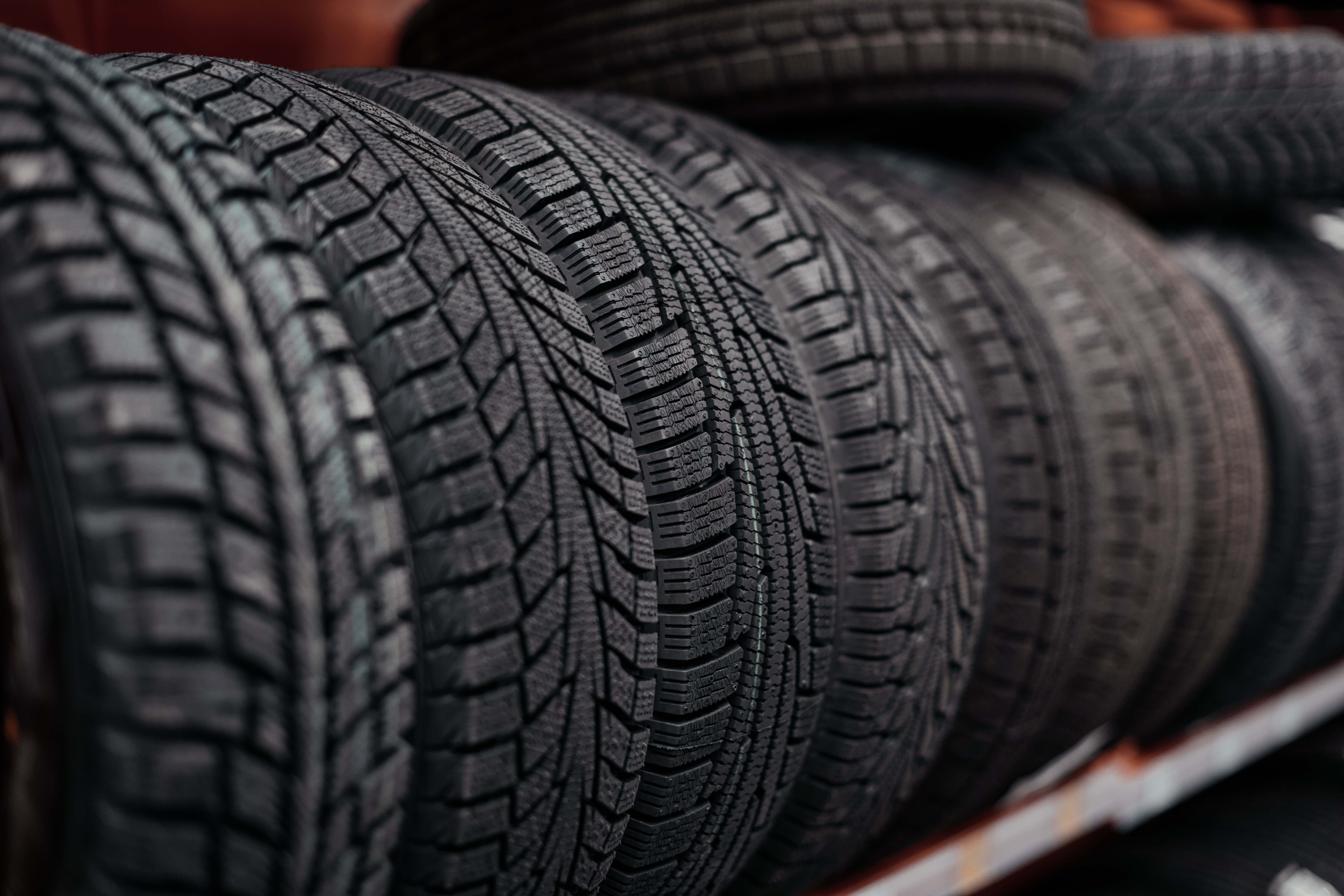
Tyres are one of the most important things to check during a heatwave. Hot road surfaces can put extra stress on them, especially if they are already underinflated, worn or damaged.
Before setting off, check your tyre pressures and make sure they match the recommended levels for your vehicle. You should also look for any visible cracks, bulges or uneven wear. If your car is carrying extra weight, such as luggage, passengers or work equipment, it may need a different tyre pressure setting, so it is worth checking your vehicle handbook or the sticker inside the door frame.
A quick tyre check only takes a few minutes, but it could make a big difference on a hot day.
Keep an Eye on Coolant Levels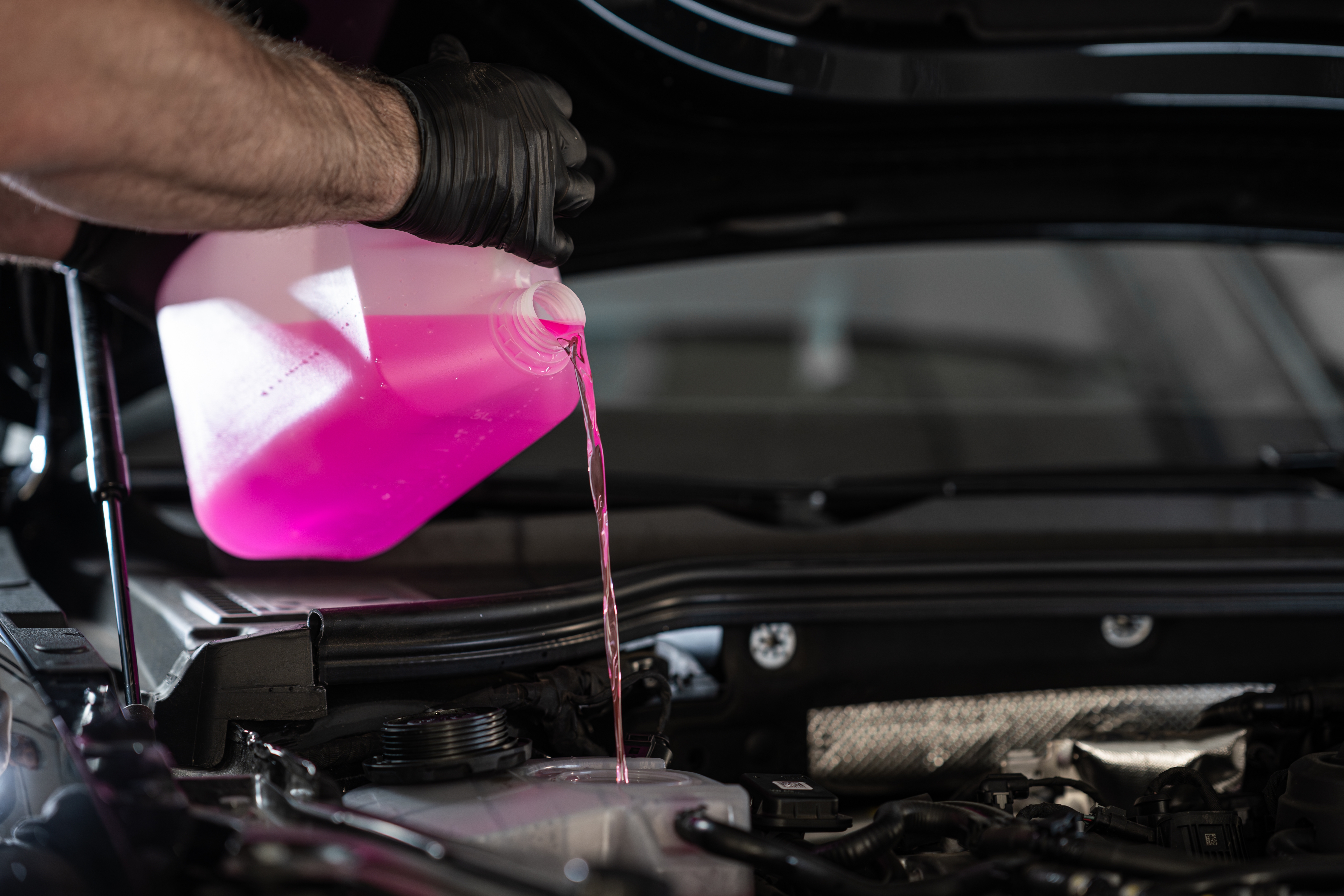
Your car’s cooling system works harder when temperatures rise. If the coolant level is too low, the engine can overheat, especially in traffic or on longer motorway journeys.
Before driving, check the coolant reservoir when the engine is completely cool. The level should sit between the minimum and maximum markers. If it is low, top it up with the correct coolant for your vehicle.
If you notice the temperature gauge rising while driving, or a warning light appears on the dashboard, find a safe place to stop and switch the engine off. Do not open the coolant cap while the engine is hot, as the system can be under pressure.
Test Your Air Conditioning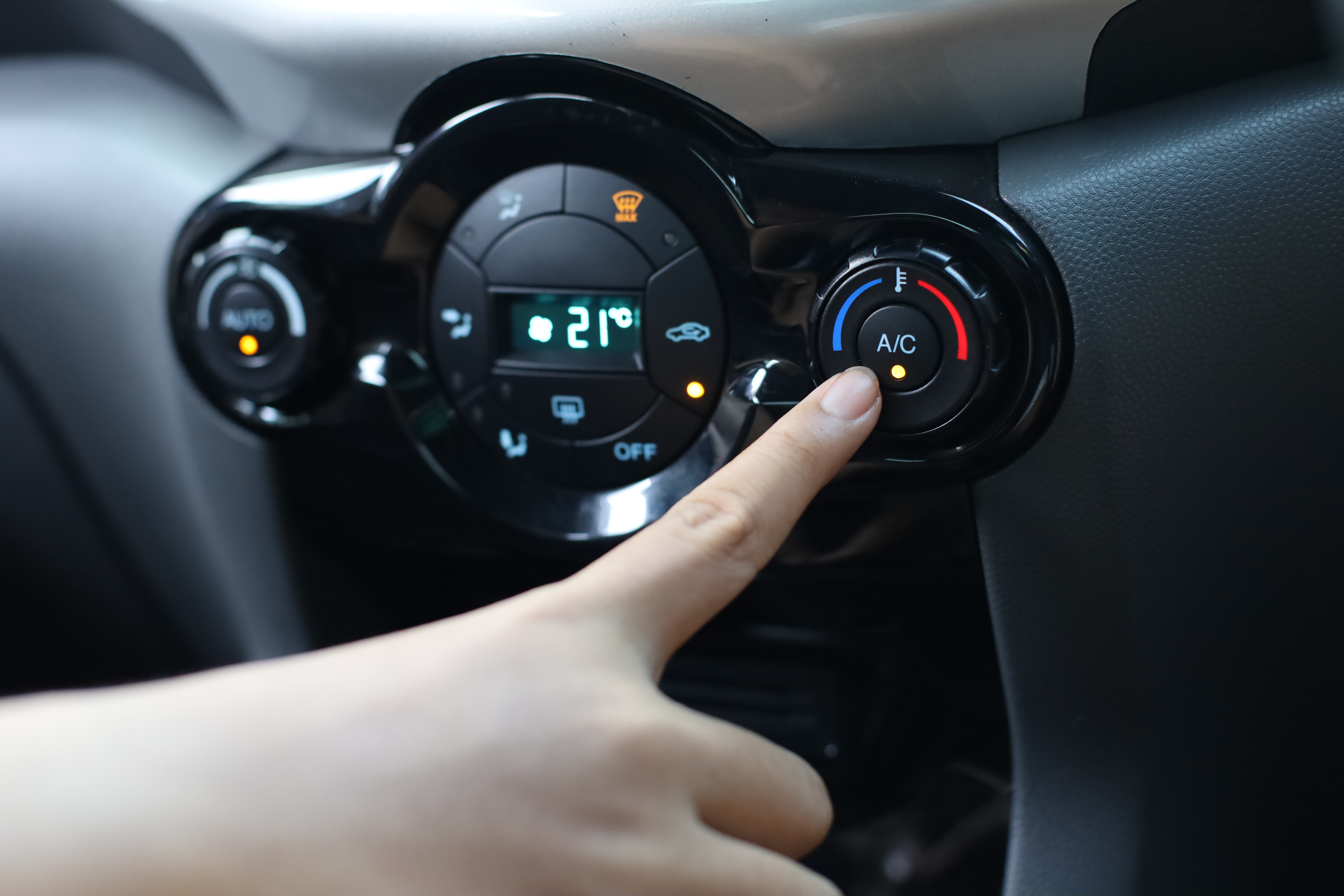
Air conditioning is not just about comfort. In extreme heat, it can help keep the driver alert and reduce the risk of fatigue.
Before a long journey, test your air con and make sure it is blowing cold air properly. If it feels weak or takes a long time to cool the cabin, it may need a re-gas or inspection.
A simple trick is to open the doors or windows for a short time before setting off to let the trapped hot air escape. Once you are driving, close the windows and use the air conditioning to cool the cabin more efficiently.
Avoid the Hottest Part of the Day Where Possible
If your journey is not urgent, try to travel earlier in the morning or later in the evening when temperatures are lower.
This is especially useful for families, older drivers, pets, business drivers and anyone travelling a long distance. It can also reduce stress on the vehicle, particularly if you are likely to be stuck in traffic.
Planning your route before you leave can also help. Check for delays, roadworks and any warnings that could affect your journey.
Pack the Essentials
Hot weather can turn a small delay into a stressful situation, especially if you break down or get stuck in traffic.
It is worth keeping a few essentials in the car, including water, sunglasses, a phone charger, sun cream and any medication you may need. For longer trips, you may also want to pack snacks and a basic emergency kit.
Do not leave children, pets, phones, laptops, aerosols or battery-powered devices inside a parked car. Cabin temperatures can climb quickly, even when the outside temperature does not feel extreme.
Watch for Signs of Overheating
If your car starts overheating, you may notice the temperature gauge rising, steam coming from under the bonnet, a warning light on the dashboard or an unusual smell.
If this happens, do not ignore it. Pull over somewhere safe, switch the engine off and let it cool down. Continuing to drive with an overheating engine can cause serious damage.
It is better to stop early and get help than risk turning a small issue into a much bigger repair.
What About Electric Cars?
Electric cars are designed to cope with different weather conditions, but heat can still affect efficiency.
In hot weather, an EV may use extra energy to cool the cabin and manage the battery temperature. This means range can be slightly lower than usual, especially on longer journeys or when driving at higher speeds.
If you drive an EV, it can help to pre-cool the cabin while the car is still plugged in, park in the shade where possible and avoid letting the battery sit at a very high state of charge for long periods in extreme heat.
As with petrol and diesel vehicles, tyre pressures, air conditioning and journey planning still matter.
Do Not Ignore the Driver
It is easy to focus on the car, but the driver matters just as much.
Heat can make people tired, distracted and slower to react. Make sure you drink water, take breaks and avoid driving if you feel unwell. If you are travelling with passengers, especially children, elderly relatives or pets, check on them regularly and keep the cabin comfortable.
A safe journey is not just about getting the vehicle ready. It is about making sure everyone inside it is ready too.
Final Thoughts
A heatwave does not mean you cannot drive, but it does mean you should take a little more care before setting off.
Checking your tyres, coolant, air conditioning and route can help reduce the risk of breakdowns and make the journey more comfortable. Whether you drive a petrol, diesel, hybrid or electric car, a few simple checks can go a long way when the temperature rises.
If you are thinking about changing your vehicle, or want something better suited to your everyday driving needs, Express Vehicle Contracts can help you explore a wide range of personal and business leasing options.
References
AA (2026) Drivers urged to prepare as heatwave conditions forecast for parts of UK this weekend.
Met Office (2026) Red Extreme Heat Warning issued with June temperature records forecast to break.
National Highways (2026) Travelling in extreme heat.
RAC (2026) Drivers urged to check their cars as red weather warning issued.