










Fuel Prices Surge: What the Middle East Conflict Means for UK Drivers
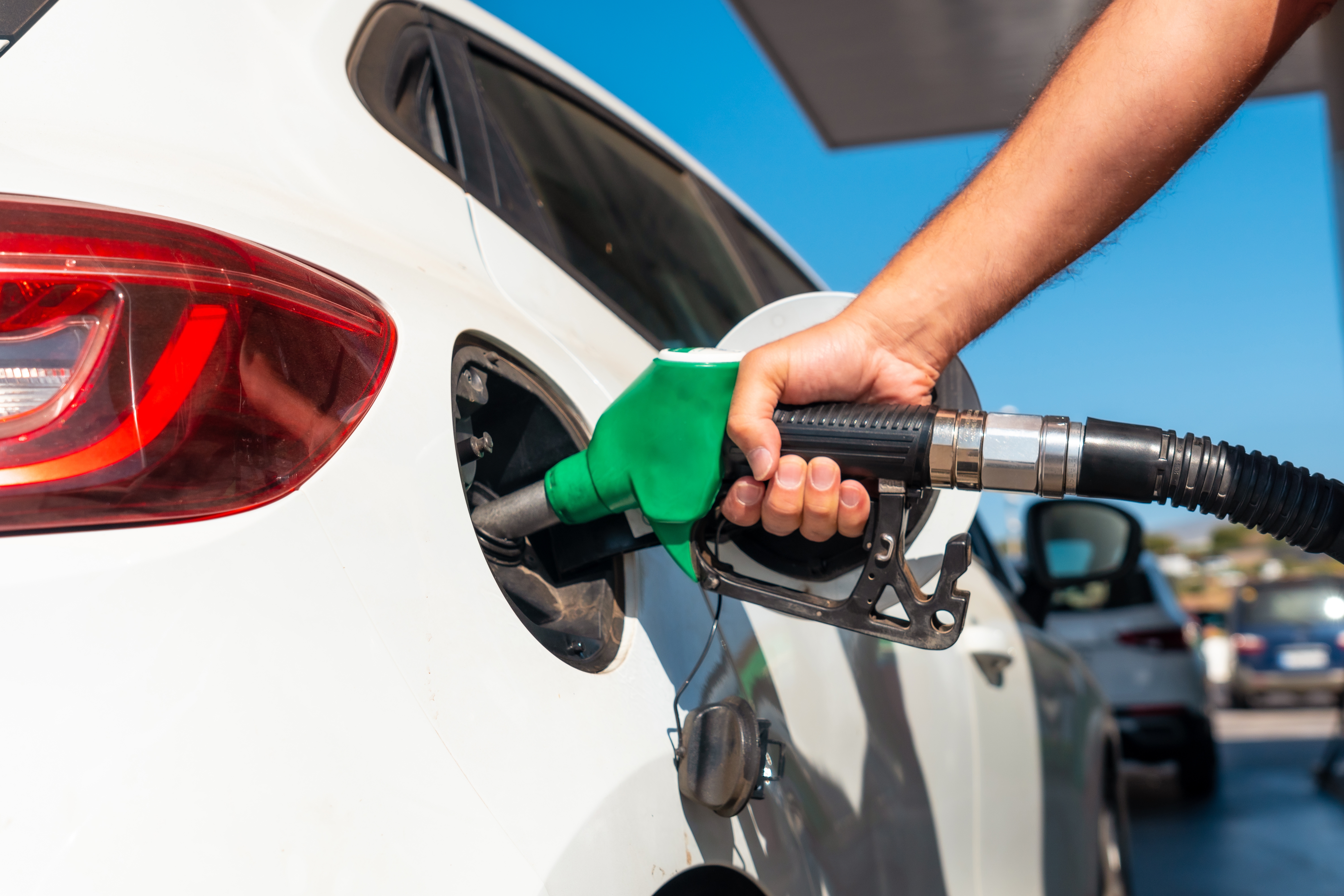
Fuel prices in the UK are climbing once again, and this time global tensions are playing a major role. Recent military activity in the Middle East has shaken oil markets, pushing crude prices higher and causing immediate effects at the pumps across the country.
For drivers and businesses alike, this sudden rise is another reminder of just how sensitive fuel prices can be to global events.
Why Fuel Prices Are Rising
The latest spike in pump prices comes after military escalation involving the US, Israel, and Iran at the end of February. The situation has created major uncertainty around global oil supplies, particularly in the Strait of Hormuz — the world’s busiest oil shipping route.
Around 20% of the world’s seaborne oil passes through this narrow channel, so any disruption there can send shockwaves through the global energy market almost instantly.
Since the conflict intensified, oil prices have surged past $81 per barrel, the highest level seen since early last year. As a result, UK pump prices have started rising quickly.
How Much Prices Have Increased
According to the RAC, fuel prices have already begun climbing within just a few days.
Petrol has increased by nearly 2.5p per litre, while diesel has risen by over 3p per litre since 28 February.

Diesel, in particular, has been climbing faster, reflecting how sensitive the diesel market is to geopolitical disruptions.
Why Diesel Prices Are More Sensitive
Diesel prices tend to react more aggressively to global supply concerns. When political tensions affect oil routes or refining capacity, diesel often rises quickly — but takes longer to fall again once markets calm down.
Industry analysts warn that if the disruption continues, diesel prices could rise significantly in the coming weeks, especially for fleet operators and logistics businesses.
For companies running large vehicle fleets, even small price increases at the pump can quickly add up across dozens or hundreds of vehicles.
What Could Happen Next?
Analysts believe there are three possible scenarios depending on how the situation develops:
1. Quick De-escalation
Oil prices stabilise around $80–$85 per barrel, keeping fuel increases relatively moderate.
2. Medium-Term Disruption
Crude prices rise toward $90–$100 per barrel, leading to more volatile pump prices and increasing inflation pressure.
3. Major Supply Disruption
If the Strait of Hormuz were to close entirely, oil prices could surge past $125 per barrel, potentially causing dramatic increases in diesel and petrol prices across Europe.
Drivers Urged Not to Panic Buy
Despite the recent increase, the RAC has advised motorists not to panic buy fuel, even though queues have been reported at some petrol stations.
If oil prices remain around current levels, petrol prices in the UK are expected to stay around 136p per litre, though diesel could continue climbing slightly faster.
The Bigger Picture for Drivers
Global events can quickly influence everyday costs like fuel, and this latest situation highlights how interconnected the world’s energy markets are.
While drivers can’t control international politics, they can stay informed and plan ahead — whether that means monitoring fuel costs, driving more efficiently, or considering vehicles with better fuel economy.
For many motorists and businesses, understanding these shifts can help soften the impact when global events send prices rising.