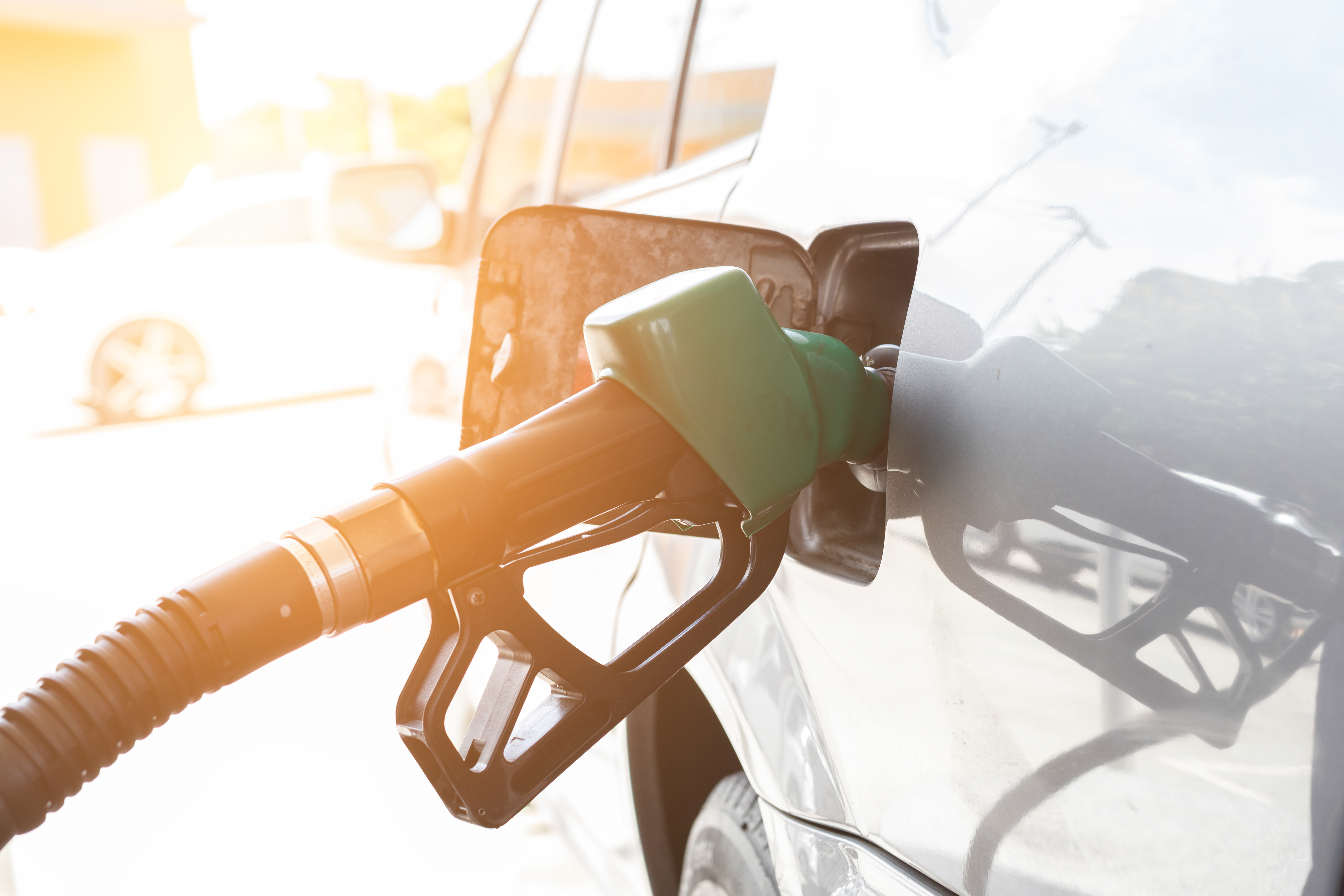
Fuel Prices Are Rising Again… But There’s No Need to Panic
If you’ve filled up recently, you might have noticed something creeping up on the forecourt boards — fuel prices. Drivers across the UK are seeing a slight rise at the pumps in early March 2026 after a few weeks of relative stability.
But before anyone starts rushing to fill jerry cans or queueing around the block, motoring experts say there’s absolutely no need to panic buy.
Let’s break down what’s happening, why prices are increasing, and how drivers can keep their costs under control.
What Are Fuel Prices Right Now?
According to data from RAC Fuel Watch, the current UK averages are sitting around:
• 137.51p per litre for unleaded petrol
• 150.97p per litre for diesel
Figures from PetrolPrices.co.uk show similar trends, with pump prices rising by a few pence compared to late February.
While that’s never great news for drivers, it’s worth remembering that prices are still well below the peak levels seen during the 2022 energy crisis, when petrol briefly climbed towards £1.90 per litre.
So yes, prices are nudging up, but they’re far from historic highs.
Why Fuel Prices Are Climbing
Several global factors influence the price you see at the pump. Right now, a few key things are pushing costs upward.
Global Oil Prices
Crude oil prices have climbed above $100 per barrel following geopolitical tensions in the Middle East and disruption to shipping routes through the Strait of Hormuz, one of the world’s most important energy corridors.
When oil prices rise globally, fuel wholesalers pay more — and eventually that filters down to forecourt prices.
Retail Price Delays
There’s usually a lag between wholesale price changes and pump prices. That means the increase drivers are seeing now may actually reflect market shifts from a week or two earlier.
Fuel Taxes
In the UK, around half of the price you pay at the pump is fuel duty and VAT. These taxes remain fixed, which actually helps soften the impact when oil prices fluctuate.
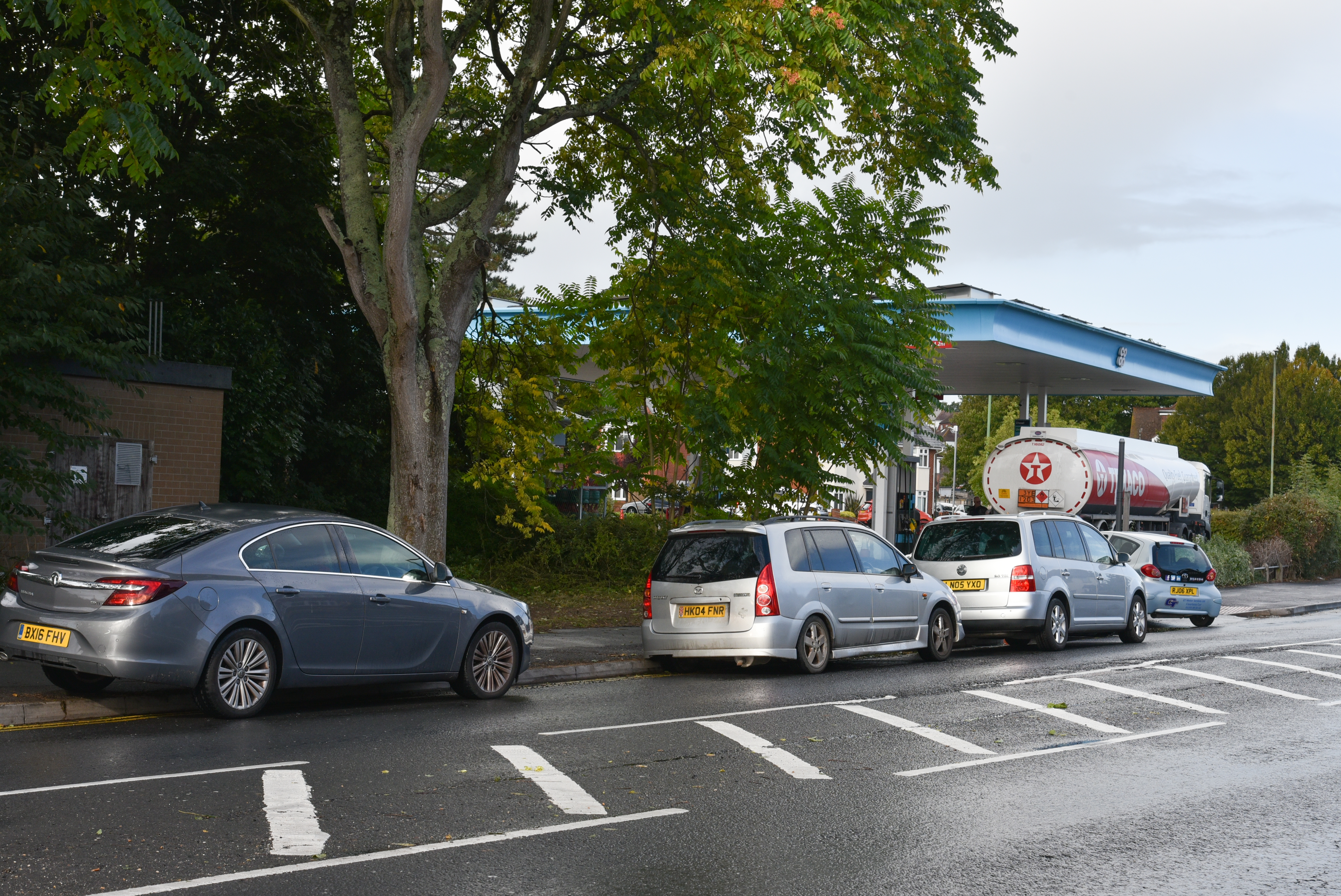
Why Panic Buying Won’t Help
Whenever headlines mention rising fuel prices, it’s natural for some drivers to worry about shortages. But experts are very clear — the UK is not running out of fuel.
Gordon Balmer, from the Petrol Retailers Association, said fuel sales on 9 March were about 30% higher than usual, but the situation is nowhere near panic-buying levels.
He reassured drivers that forecourts still have strong supply, and urged motorists to continue buying fuel normally rather than filling up unnecessarily.
In many cases, queues at petrol stations have actually been caused by power outages, routine maintenance, or delayed deliveries, not a genuine shortage.
The simple truth? Buying extra fuel won’t protect you from price increases — it just creates congestion and unnecessary pressure on local stations.
Experts Say Price Spikes Are Usually Temporary
Fuel markets react quickly to global events, but that doesn’t mean prices will stay high forever.
Simon Williams explained that wholesale fuel prices are rising gradually and drivers shouldn’t expect sudden overnight spikes.
Meanwhile Edmund King, from The AA, noted that fuel is still cheaper than this time last year, with a full tank costing over £3.50 less than in early March 2025.
Investment analyst Richard Hunter also pointed out that oil prices often jump during global conflicts but tend to stabilise once supply routes become clearer.
In other words — markets react quickly, but they usually settle down again over time.
1.) Smart Ways to Handle Rising Fuel Prices
Even if price increases are temporary, saving money at the pump is always a win. Here are some practical ways drivers can reduce fuel costs.
2.) Shop around for cheaper stations
Fuel prices can vary significantly between forecourts. Websites like PetrolPrices.co.uk can help drivers find the best deals nearby.
3.) Plan journeys more efficiently
Combining errands and avoiding unnecessary trips can reduce fuel consumption. Smooth acceleration and steady speeds also make a big difference.
4.) Use loyalty and cashback schemes
Many supermarkets offer fuel discounts tied to grocery shopping, while some credit cards provide cashback on petrol purchases.
5.) Keep your car well maintained
Correct tyre pressure, regular servicing, and fresh engine oil can all improve fuel efficiency.
6.) Reduce unnecessary weight
Carrying extra items in the boot makes your vehicle heavier, meaning the engine has to work harder.
7.) Car share where possible
Sharing journeys with colleagues or friends spreads fuel costs and reduces the number of cars on the road.
8.) Consider long-term alternatives
Electric vehicles or public transport can help reduce reliance on petrol and diesel over time.
Final Thoughts
Fuel prices are ticking up slightly in the UK,but there’s no shortage and no reason to panic buy.
Most price increases are tied to temporary global market movements, and the industry expects conditions to remain stable overall.
For drivers, the best approach is simple: stay calm, shop around for the best prices, and drive efficiently.
And if rising fuel costs have you thinking about switching vehicles, exploring more fuel-efficient or electric options could be a smart move for the future.
Credits for thumbnail belongs to Pakpanat
Credits for petrol station queue image belong to Ajit Wick