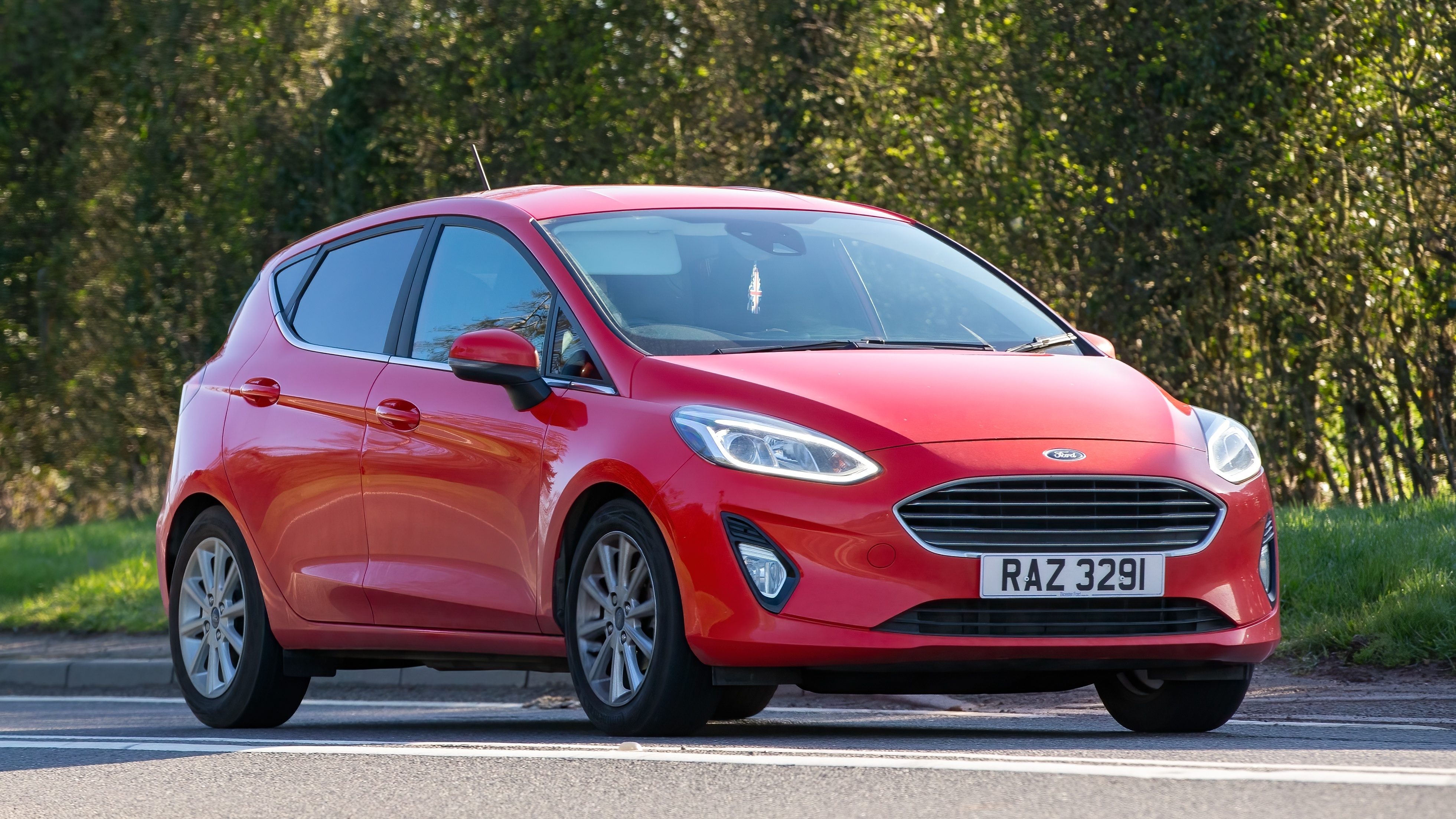
Ford’s Return to Affordable Cars: Is the Fiesta Spirit Making a Comeback?
Ford Goes Back to What Made It Famous
For decades, Ford was the brand people turned to when they wanted something reliable, practical and affordable. It was the name behind cars that felt built for everyday life, from school runs and first cars to motorway commutes and family holidays.
Now, after several years of chasing a more premium and electric-focused future, Ford appears to be heading back towards its roots.
The message is clear. Affordable cars are back on the agenda.
The Fiesta Legacy Still Matters
Few cars sum up Ford’s mainstream success quite like the Ford Fiesta.
First manufactured in 1976, the Fiesta quickly became a favourite for drivers who wanted something smaller, cheaper to run and easy to live with. It became one of Britain’s best-loved cars and, over time, more Fiestas were sold in the UK than any other model.
Globally, around 22 million Fiestas were produced before the final one rolled off the production line in 2023.
That is not just a production figure. That is a proper motoring legacy.
For many people, the Fiesta was their first car. For others, it was the sensible hatchback that simply got the job done without fuss. Affordable, efficient and familiar, it became a car that felt part of everyday British roads.
So Why Did Ford Move Away From Affordable Cars?
By the time the Fiesta was discontinued, the market had changed. In 2022, it was still popular, but it had dropped to being the 10th best-selling model in the UK. Drivers were increasingly moving away from small hatchbacks and towards SUVs, crossovers and larger vehicles.
Ford also began moving away from the affordable, everyman models it had long been known for. The Mondeo had already been discontinued, and the brand started focusing more heavily on upmarket vehicles and electric cars.
At the same time, Ford set its sights on becoming an all-electric manufacturer by 2030.
On paper, it sounded like a bold step into the future. In reality, the market had other ideas.
The EV Shift Has Not Been Smooth
By 2024, Ford’s strategy was showing signs of strain. Weak demand for electric vehicles, rising competition and pressure from fast-growing Chinese brands all created major challenges across Europe.
The electric vehicle market is still growing, but not always at the speed manufacturers originally expected. For many drivers, the cost of switching, charging concerns and uncertainty around future technology have made the jump to fully electric feel like a big step.
Ford executive Martin Sander Baumbick summed up the issue by suggesting that, while the whole industry has been focused on electrification, real customers risk being caught in the middle.
And that is the key point.
People still want cleaner cars, but they also want vehicles that are affordable, practical and realistic for everyday use.
Hybrids Could Be the Middle Ground
Ford is still investing in electric vehicles, but it is also planning new hybrid models with internal combustion engines. That could prove to be a smart move.
For many drivers, hybrids and plug-in hybrids offer a more comfortable stepping stone towards electrification. They can bring lower running costs, reduced emissions and electric driving benefits, without asking drivers to fully commit to a battery electric vehicle straight away.
Ford has also called for legislators in Brussels and London to support a more practical path to electrification, including plug-in hybrids and extended-range electric vehicles.
In simple terms, Ford seems to be saying that the future can still be electric, but the journey there needs to work for real people.
The Chinese Competition Problem
One of Ford’s biggest challenges is that while it was stepping away from the mainstream market, other brands were stepping in.
Chinese manufacturers such as BYD and Chery have become serious players, offering competitive pricing, strong technology and an increasingly wide range of vehicles. These brands are no longer just distant newcomers. They are active competitors putting pressure on established names across Europe.
That raises an important question.
Has Ford returned to affordable cars too late?
Possibly. But Ford still has something many newer brands are trying to build: trust, history and familiarity.
The brand has been part of the motoring landscape for more than 100 years. That kind of heritage still matters, especially for drivers who want a car from a name they recognise.
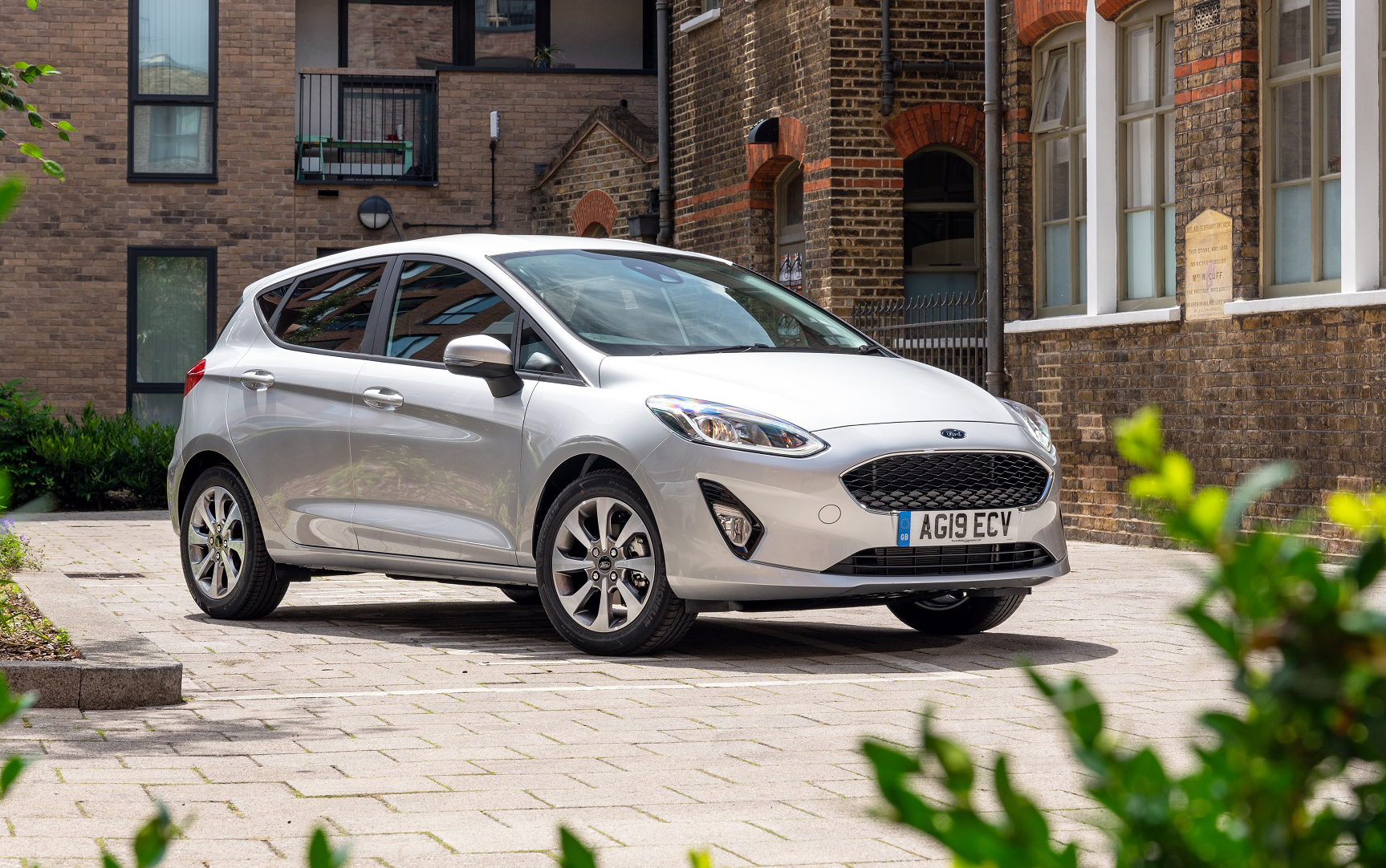
(2019 Ford Fiesta)
Could Ford Win Back Everyday Drivers?
Ford’s return to affordable vehicles could be exactly what the brand needs.
The demand for practical, good-value cars has not disappeared. In fact, with the rising cost of living and higher vehicle prices across the market, affordable cars may be more important than ever.
Not every driver wants a luxury SUV. Not every business wants an expensive electric fleet overnight. Many people simply want something dependable, efficient and sensibly priced.
That is where Ford used to shine.
If the brand can combine its familiar strengths with modern hybrid and electric technology, it could find itself back in a very strong position.
What This Means for Car Buyers
For drivers, Ford’s shift could mean more choice in the years ahead. Rather than being pushed towards one type of vehicle, customers may see a wider range of options, including affordable petrol, hybrid, plug-in hybrid and electric models.
That is good news for anyone who wants to switch into something newer without feeling forced into a vehicle that does not suit their lifestyle or budget.
The Fiesta may be gone, but the thinking behind it clearly still matters.
Affordable cars are not outdated. They are needed.
Final Thoughts
Ford’s return to affordable cars feels less like a step backwards and more like a reality check.
The car industry has been racing towards electrification, but customers still need vehicles that make sense financially and practically. Ford’s challenge now is to prove it can still deliver the kind of everyday cars people actually want, while also preparing for a cleaner future.
The Fiesta may have left the production line, but its spirit could still have a future.
And for drivers who want practical, affordable and flexible motoring, that is very good news.
Credits to NewsPress UK for images