









Car Myths People Still Believe!
Cars have been around for a long time, which means so have car myths.
Some started from old driving habits, some came from outdated advice, and some just seem to have been passed around by someone’s mate’s dad in a pub. The problem is, a lot of people still believe them today, even though modern cars have moved on massively.
So, let’s clear a few of them up.
Myth 1: Red Cars Cost More to Insure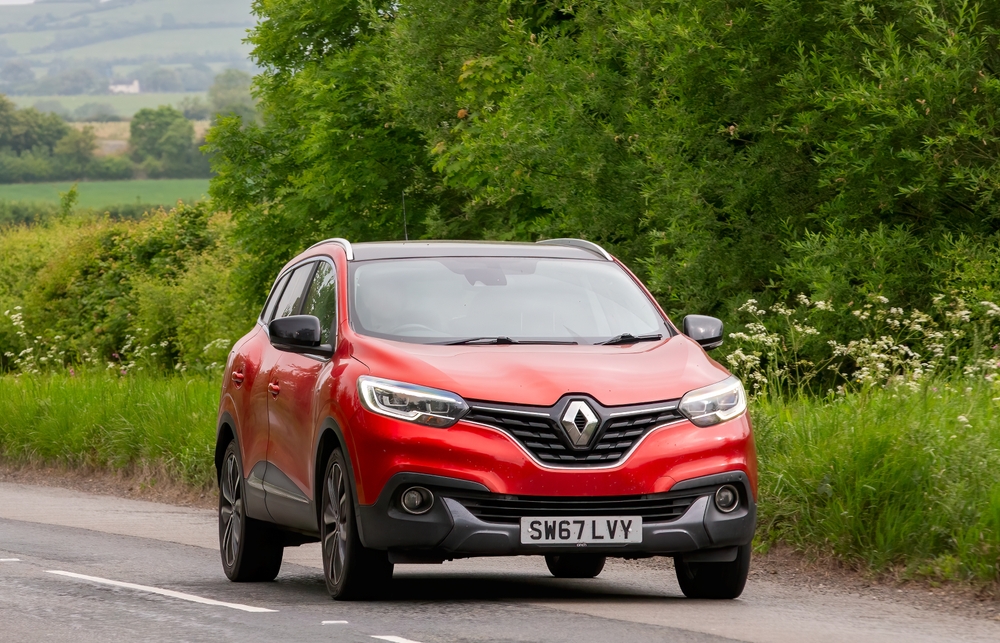
This is one of the biggest car myths out there.
A lot of people believe that red cars are more expensive to insure because they look sportier, faster or more likely to attract attention. In reality, insurers are far more interested in things like the make and model of the car, the driver’s age, location, driving history, annual mileage and how the vehicle is used.
The colour of the car is not usually the big dramatic factor people think it is.
So, if you want a red car, do not let this myth put you off. Your insurance company is much more interested in what you drive and how you drive it.
Myth 2: You Must Warm Up Your Car for Ages Before Driving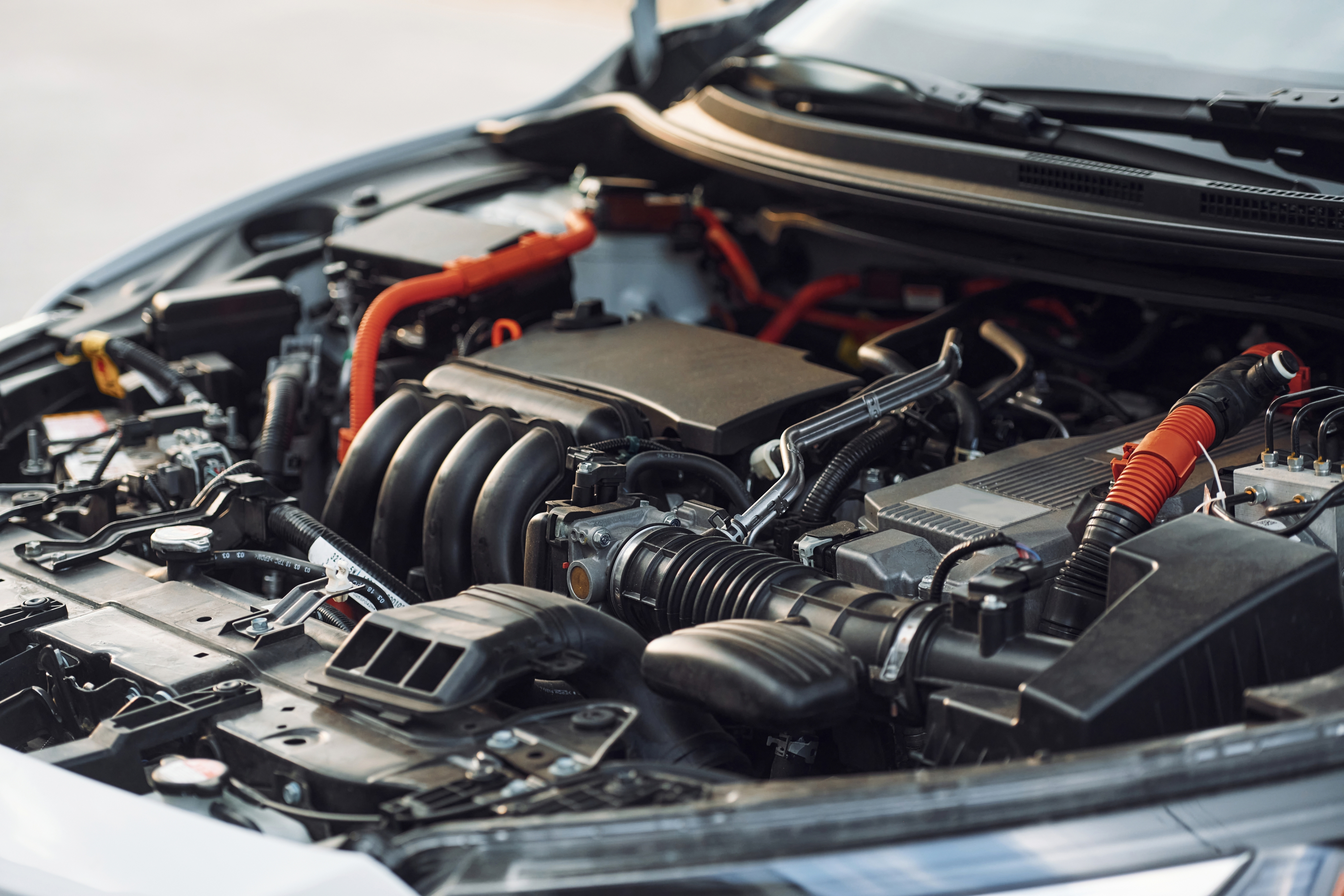
This one made more sense many years ago, especially with older engines and carburettors. But modern cars do not usually need to sit on the driveway for ten minutes before you set off.
In most cases, the better approach is to start the car, give it a short moment, then drive gently while the engine reaches its proper temperature. Sitting still for ages wastes fuel and does not really do your engine any major favours.
The key thing is not to start the car and instantly drive like you are qualifying for a race. Keep it smooth, let everything warm up naturally, and your car will be much happier.
Myth 3: Premium Fuel Makes Every Car Faster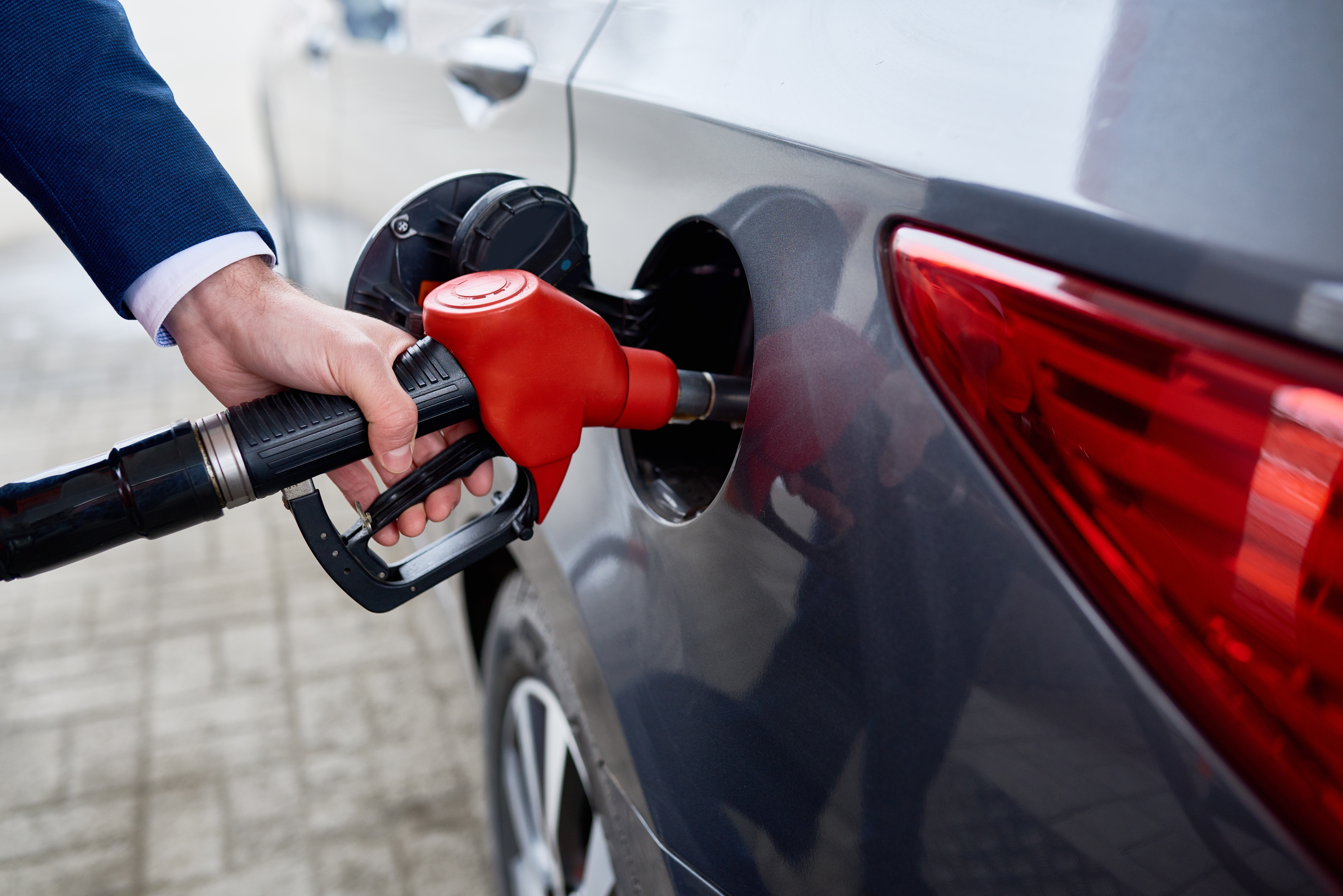
Premium fuel can be useful for certain high-performance cars that are designed to run on higher-octane fuel. But for many everyday cars, filling up with premium fuel will not suddenly turn your hatchback into a supercar.
If your car is designed to run perfectly well on standard petrol, premium fuel may not make a noticeable difference to performance. The best thing to do is check what your vehicle manufacturer recommends.
Basically, premium fuel is not magic juice. It only really makes sense if your car is built to benefit from it.
Myth 4: Electric Cars Cannot Go Through Car Washes
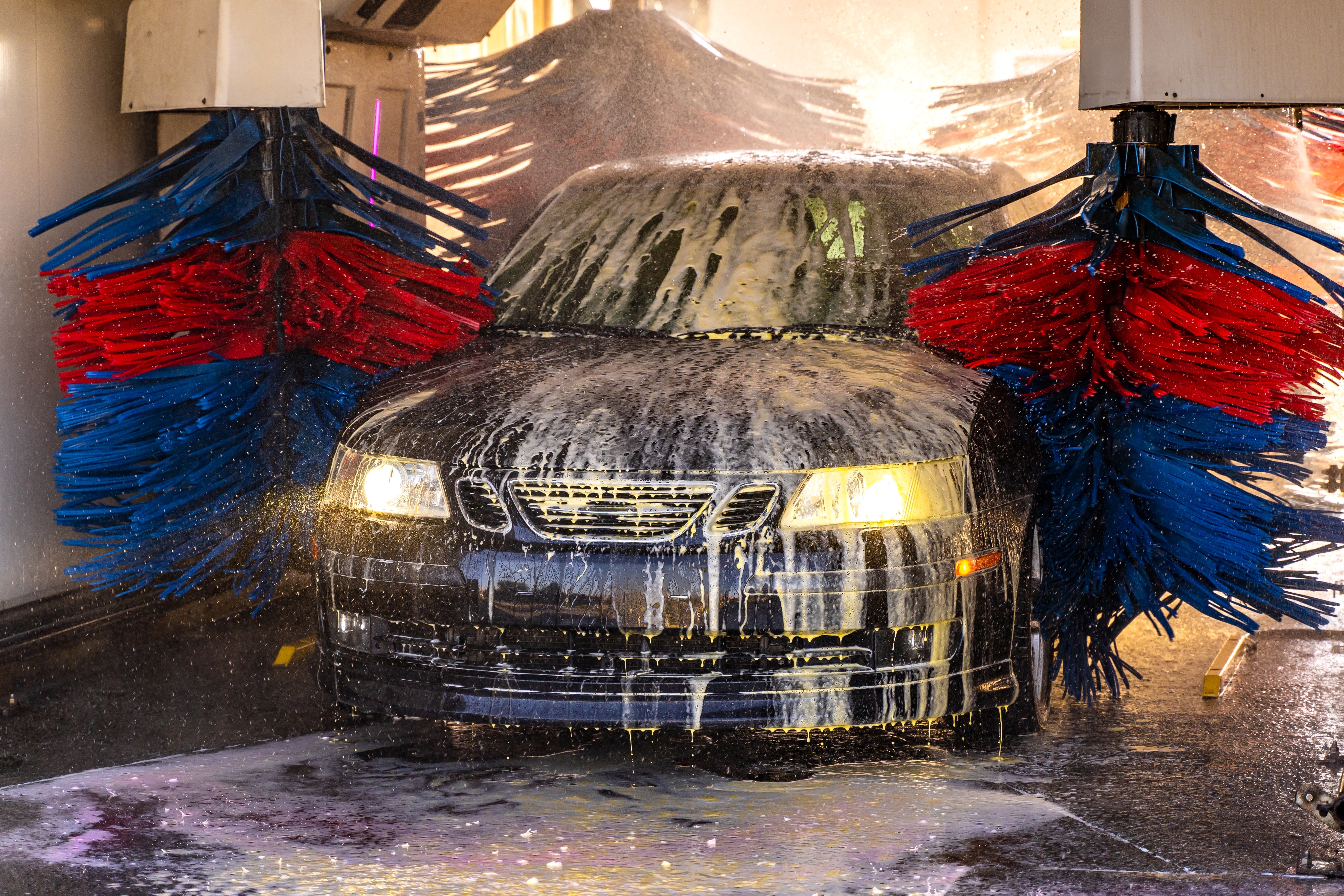
Yes, electric cars can go through car washes.
This myth probably comes from the idea that electricity and water should never mix, which is fair enough in everyday life. But electric vehicles are designed and tested to deal with normal wet conditions, including rain, puddles and car washes.
The charging ports, battery systems and electrical components are properly sealed and protected. So no, your EV is not going to have a full dramatic meltdown because you took it for a wash.
Just follow the usual car wash instructions like you would with any vehicle, and you are good to go.
Myth 5: Manual Cars Are Always More Fuel Efficient

There was a time when manual cars were often more efficient than automatics. But that is not always true anymore.
Modern automatic gearboxes have become much smarter and more efficient. Some can change gear faster and more smoothly than a human driver, helping the car stay in the most efficient range more often.
That does not mean every automatic is better than every manual, but the old rule that manual always equals better fuel economy is definitely outdated.
These days, it depends on the car, the gearbox and how it is driven.
Myth 6: You Should Change Your Oil Every 3,000 Miles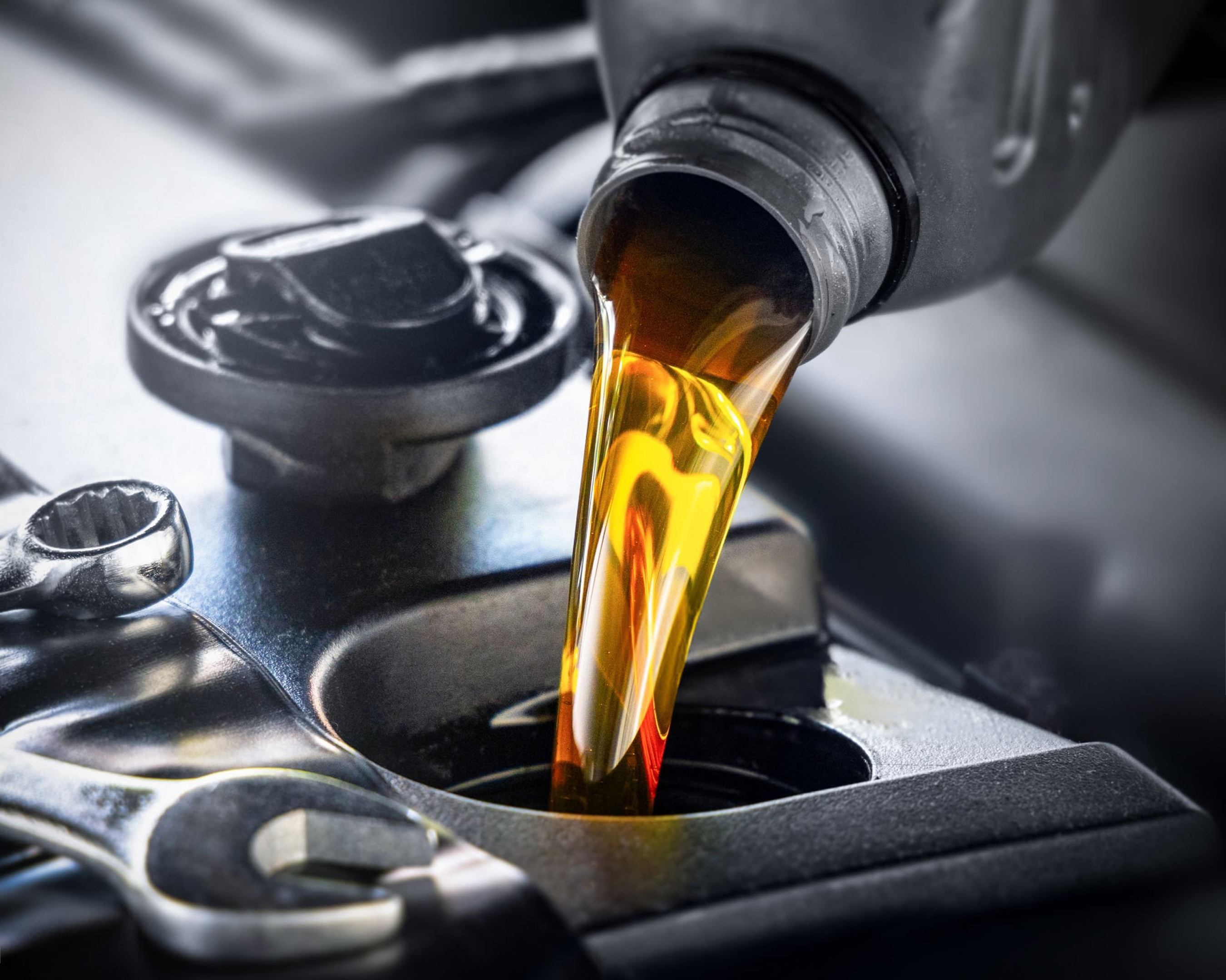
This is another old-school rule that still gets repeated.
Modern engines and modern oils are much better than they used to be, which means many cars can go much longer between oil changes than 3,000 miles. The correct interval depends on the vehicle, the oil type and the manufacturer’s service schedule.
Changing oil too late is bad news, but changing it far more often than needed can just waste money.
The best advice is simple: check your handbook or service schedule and stick to what the manufacturer recommends.
Myth 7: Bigger Cars Are Always Safer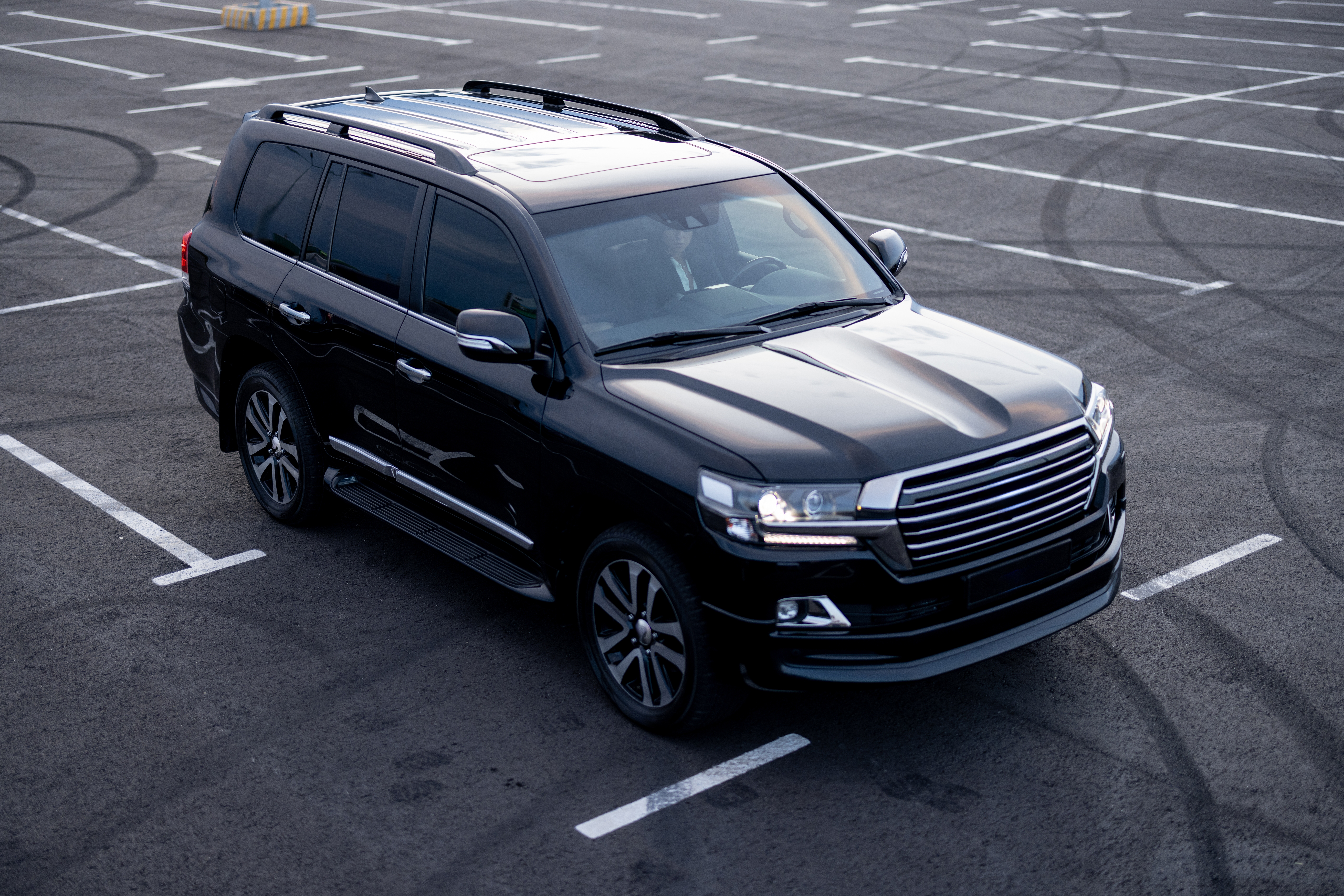
It is easy to assume that bigger automatically means safer, but it is not quite that simple.
Size can help in some situations, but modern safety is about much more than just how large a vehicle is. Crash structure, airbags, driver assistance systems, braking technology, stability control and safety ratings all play a huge part.
A well-designed smaller car with strong safety technology can be very impressive, while a larger car is not automatically perfect just because it takes up more space on the road.
Safety is about smart design, not just size.
Myth 8: All Electric Cars Are Slow and Boring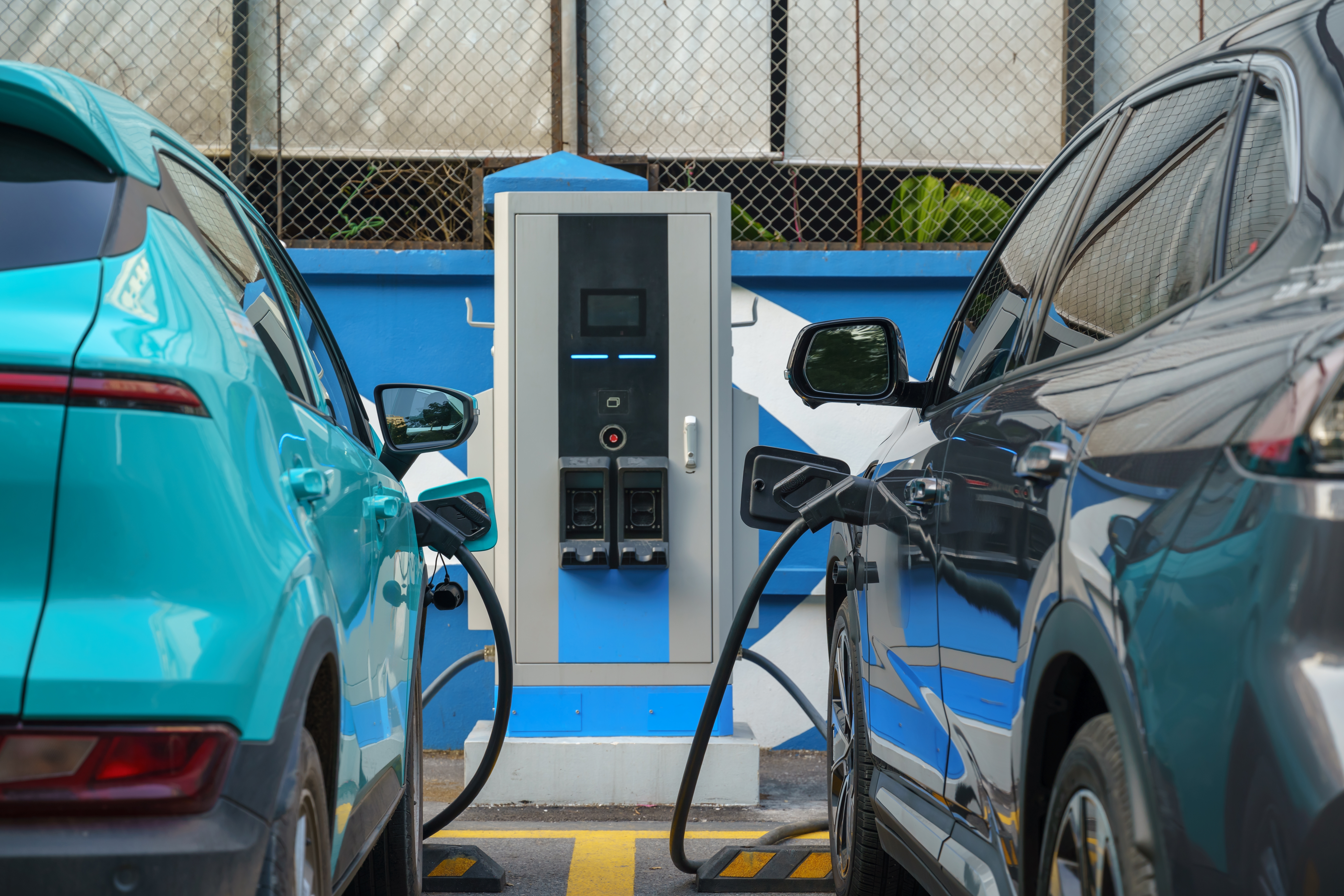
This one could not be more outdated.
Electric cars are often known for instant torque, which means they can accelerate very quickly from a standstill. Even some normal family EVs can feel surprisingly rapid because the power delivery is so immediate.
Of course, not every EV is built to be sporty, but the idea that electric cars are slow, dull and lifeless is definitely stuck in the past.
In fact, some of the quickest accelerating cars on the road today are electric.
Myth 9: Air Conditioning Uses Loads of Fuel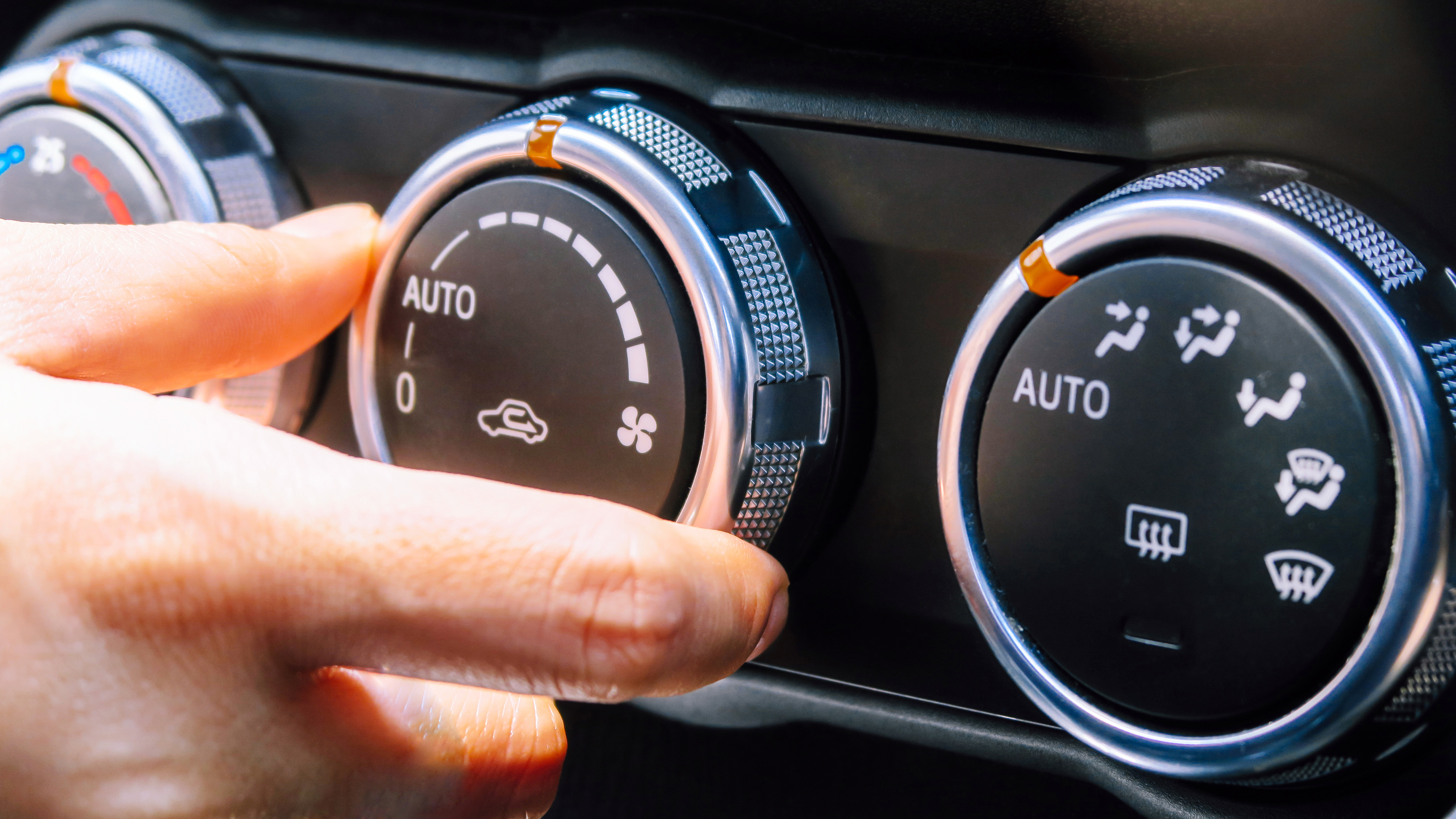
Air conditioning does use energy, so it can have some effect on fuel economy or electric range. But in modern cars, the difference is usually not as dramatic as people think.
At higher speeds, driving with the windows down can create extra drag, which can also affect efficiency. So the best option depends on the situation.
Around town, opening the windows might be fine. On faster roads, air conditioning can often be the better and more comfortable choice.
Either way, you do not need to sit sweating in traffic just because someone once told you air con destroys fuel economy.
Myth 10: You Only Need to Check Tyres Before a Long Journey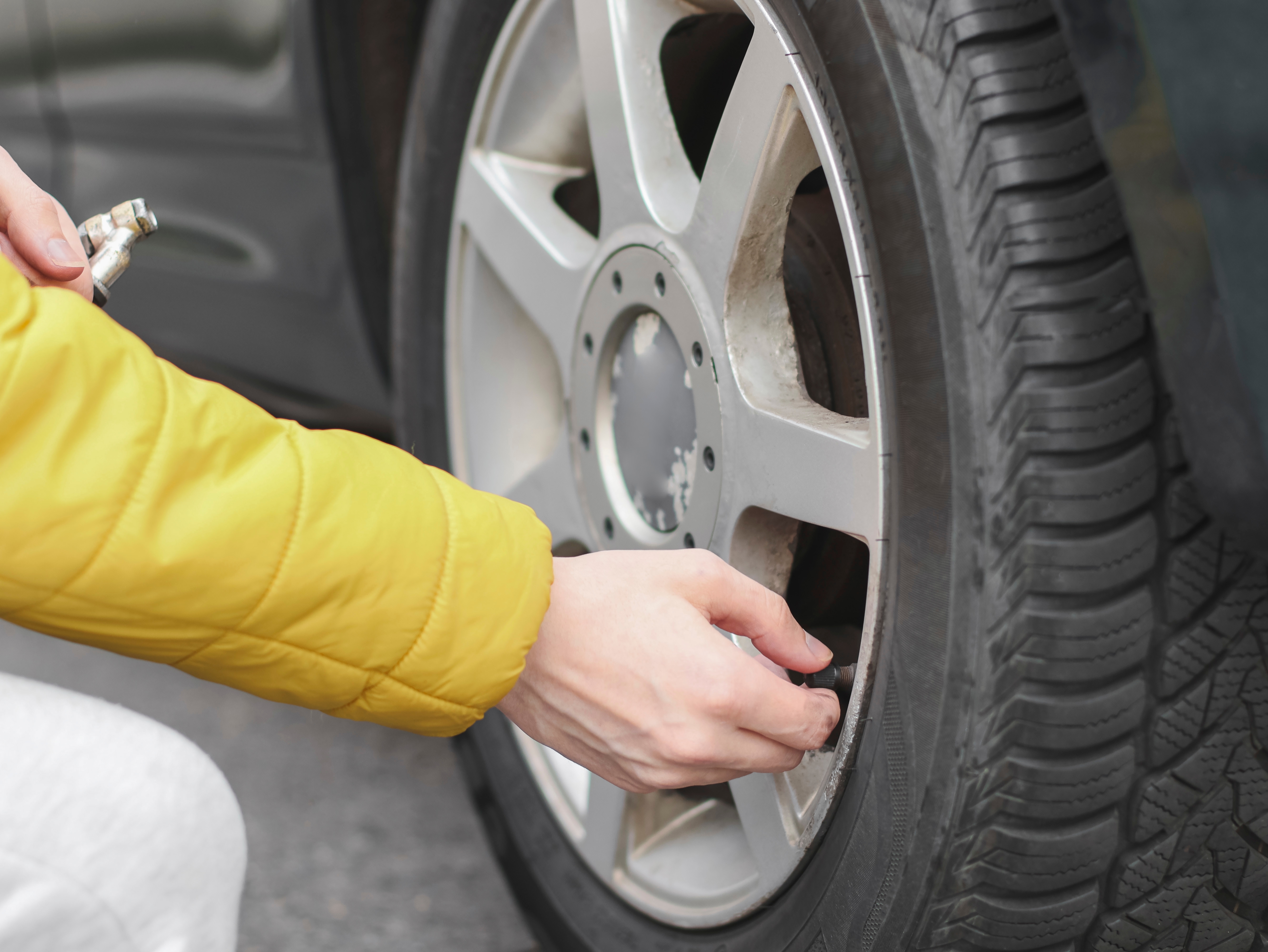
Your tyres are the only part of the car touching the road, so they deserve more attention than just a quick glance before a holiday.
Tyre pressure, tread depth and general condition all affect safety, handling, braking and efficiency. A tyre that is underinflated, damaged or badly worn can make a big difference to how your car performs.
Checking your tyres regularly is one of the simplest things you can do to keep your car safer and more efficient.
It might not be exciting, but it matters.
Final Thoughts
Car myths stick around because they are easy to repeat. Some were once partly true, some are based on outdated technology, and some are just completely wrong.
The important thing is that cars have changed massively. Engines are smarter, gearboxes are better, EVs are more advanced, and safety technology has come a long way.
So next time someone tells you red cars cost more to insure, EVs cannot go through car washes, or automatics are always thirsty, you can politely tell them they might be living a few decades behind.
Modern motoring has moved on, and thankfully, so should the myths.
Credits to Shutterstock Sue Thatcher for Picture of Red car
Credits to Shutterstock Media_Photos for Picture of guy filling up car
Credits to Shutterstock Standret for image of car engine
Credits to Shutterstock Iv-olga for image of a car going through a car wash
Credits to Shutterstock PeopleImages for image of a guy using a manual car
Credits to Shutterstock deepblue4 for image of man filling up his car with diesel
Credits to Shutterstock RossHelen for image of a black SUV Vehicle
Credits to Shutterstock Vietnam Stock Images for image of two electric cars being charged
Credits to Shutterstock ponsulak image of a vehicle AC system
Credits to Shutterstock NataKor for image of an individual checking there cars tyres