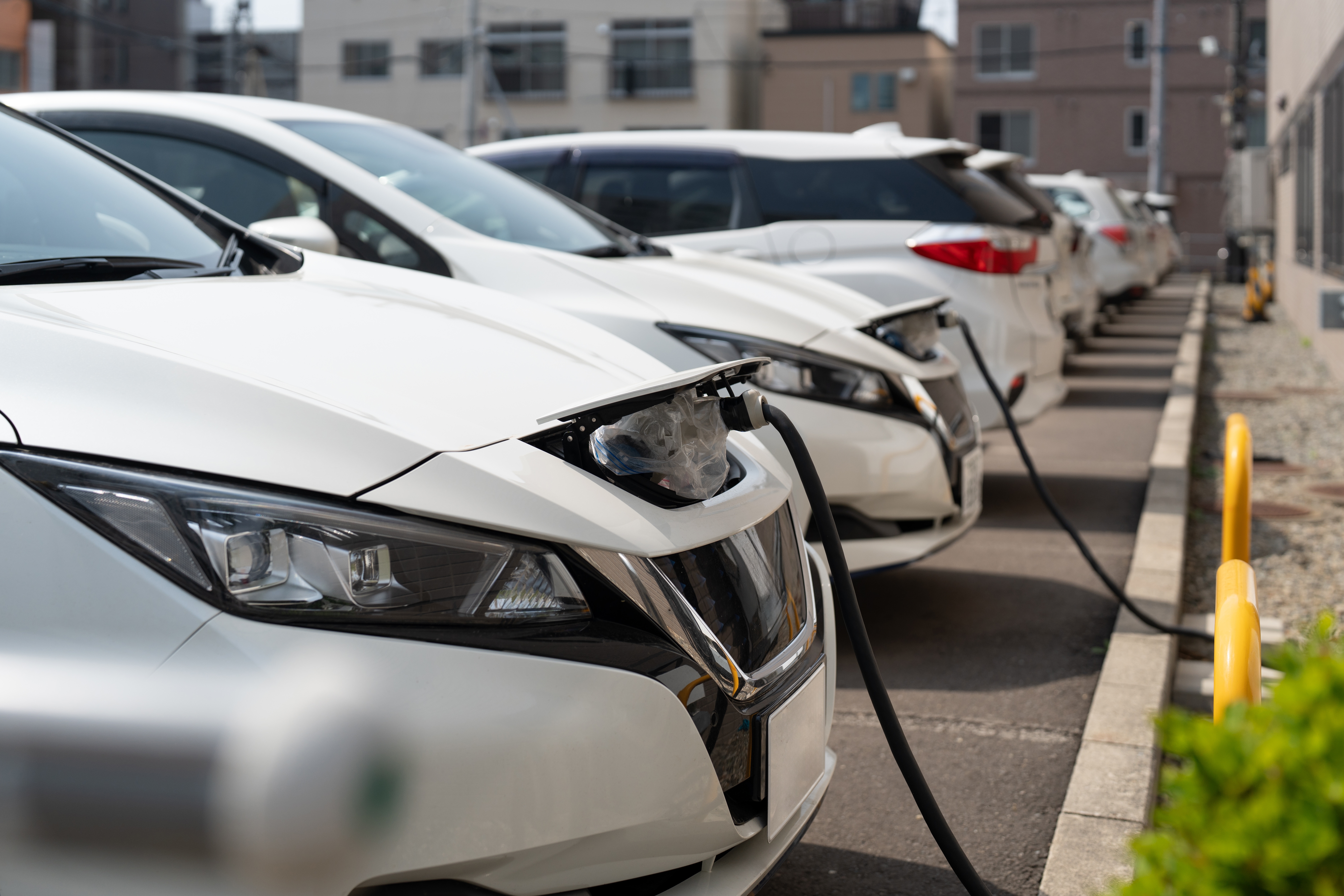
Are Electric Cars Finally Becoming Cheaper Than Petrol Cars?
For years, one of the biggest arguments against electric cars has been the price. People liked the idea of lower running costs, quieter driving and reduced emissions, but the upfront cost often made EVs feel like the more expensive option.
Now, that conversation is starting to change.
Electric cars are no longer just the premium choice for early adopters. More brands are entering the market, more models are becoming available, and manufacturers are working harder to make electric vehicles more competitive. In some cases, EVs are now getting very close to petrol cars on price, and in certain parts of the market, they are even starting to undercut them.
The price gap is getting smaller
According to Auto Trader, new electric cars became cheaper than petrol models on average for the first time in April 2026. Their data showed the average new EV at £42,620, compared with £43,405 for a petrol model, putting electric ahead by around £785 after discounts.
That does not mean every electric car is suddenly cheaper than every petrol car. The market is still moving around, and Auto Trader’s later Road to 2030 data showed that in May, new EVs were on average just £13 more expensive than petrol cars. However, the bigger picture is clear. The gap has almost disappeared, especially when compared with 2025, when the difference was still over £3,600.
That is a big shift.
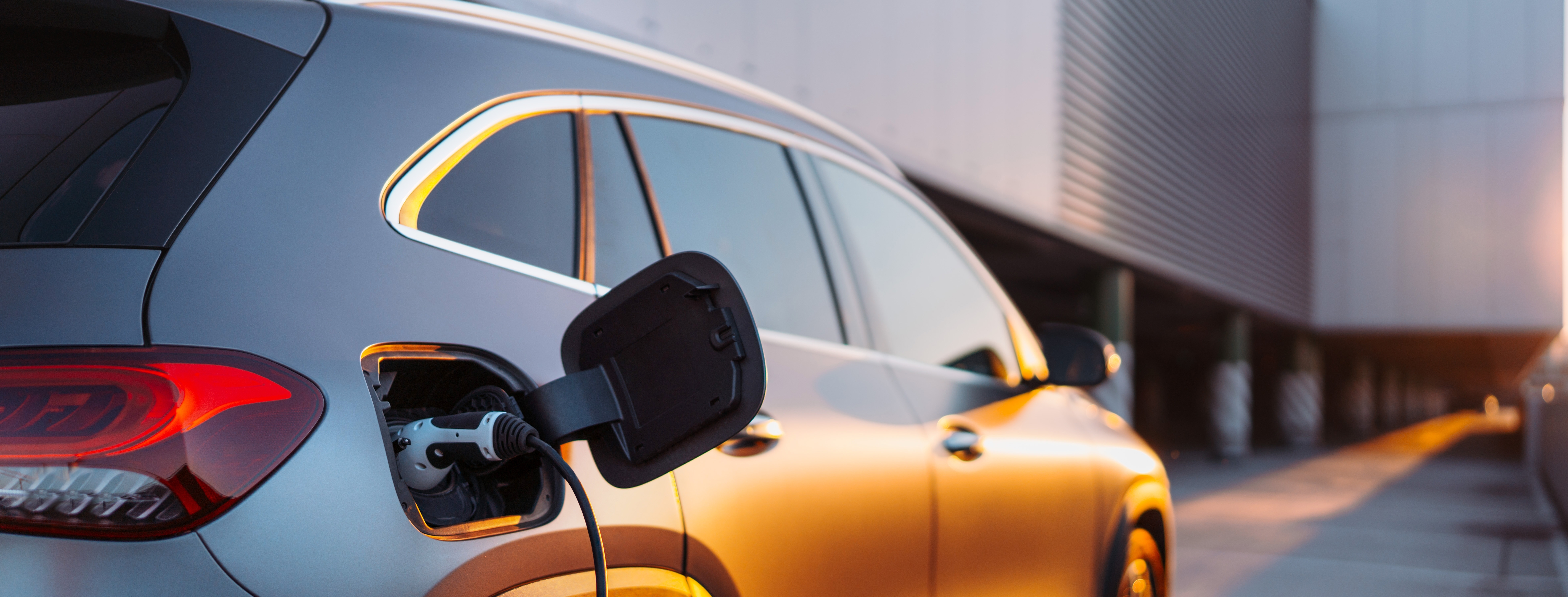
Why are electric cars becoming more affordable?
A few things are happening at once. More car manufacturers are launching electric models, competition is increasing, and brands are using stronger discounts to attract customers. The arrival of more affordable EVs from brands such as MG, BYD, Omoda, Jaecoo and others is also putting pressure on the wider market.
There is also the Zero Emission Vehicle mandate, which pushes manufacturers to sell more electric vehicles. That means brands are having to make EVs more appealing, not just with better range and technology, but with pricing that actually makes sense for everyday drivers.
In simple terms, electric cars are no longer sitting miles above petrol cars in their own expensive little bubble. They are now properly competing.
The running costs are where EVs can really shine
The price of the car is only part of the story. Running costs are where electric vehicles can become especially attractive, particularly for drivers who can charge at home or use a cheaper overnight tariff.
Public charging prices still vary, but Zapmap’s May 2026 charging price index showed the average PAYG cost at 54p per kWh for standard public chargers and 79p per kWh for rapid and ultra rapid chargers. Based on an average efficiency EV, that works out at around 16p per mile on standard public charging and 24p per mile on rapid charging.
That means the cheapest savings usually come from home charging, while relying heavily on rapid public charging can make the numbers less impressive. This is where it becomes important to look at how you actually drive, where you park and how often you need to charge away from home.
More drivers are making the switch
The growing interest in electric cars is already showing in the numbers. In May 2026, battery electric vehicles made up 27.3% of the UK new car market, with 43,931 new BEVs registered that month. So far in 2026, more than 220,000 fully electric cars have been registered in the UK.
Zapmap also reports that there are now over 2 million fully electric cars on UK roads, making up around 5.9% of the total UK car parc.
So while petrol cars are still everywhere, electric cars are no longer rare. They are becoming a normal part of the UK car market.
So, are EVs finally cheaper?
The honest answer is: sometimes, and increasingly often.
Electric cars are not automatically cheaper for every driver. The best deal depends on the model, monthly lease cost, charging access, mileage, insurance and how long you plan to keep the car. A driver with a driveway and home charger could see very different savings compared with someone relying mainly on rapid public charging.
However, the old idea that electric cars are always far more expensive is starting to look outdated.
For many drivers, especially those looking at leasing, the gap between petrol and electric has become much smaller. When lower running costs, quieter driving, reduced maintenance and strong lease offers are all considered, an EV may now make more financial sense than people expect.
Final thoughts
Electric cars have spent years fighting the reputation of being the expensive option. In 2026, that is becoming much harder to say with confidence.
Prices are getting closer, choice is improving, and the market is becoming more competitive. Petrol cars are not disappearing overnight, and they will still suit plenty of drivers, but electric cars are no longer just the futuristic alternative.
For more and more people, they are becoming the sensible option too.
References
Auto Trader, 2026. New electric cars now cheaper than petrol on average for the first time, says Auto Trader. Available at: Auto Trader PLC. Accessed 29 June 2026.
Auto Trader, 2026. Road to 2030: Is now the time electric cars go mainstream? Available at: Auto Trader. Accessed 29 June 2026.
Auto Trader Road to 2030, 2026. Road to 2030. Available at: Auto Trader Road to 2030. Accessed 29 June 2026.
Zapmap, 2026. UK EV charging price index: average cost per kWh. Available at: Zapmap. Accessed 29 June 2026.
Zapmap, 2026. EV charging statistics 2026. Available at: Zapmap. Accessed 29 June 2026.
SMMT, 2026. New car market grows as consumers respond to choice and incentives. Available at: Society of Motor Manufacturers and Traders. Accessed 29 June 2026.