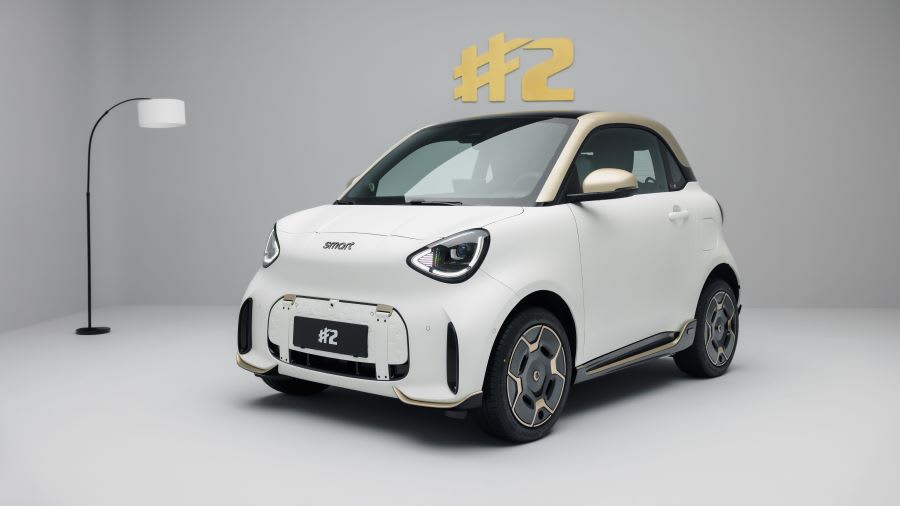










Are Cheap Petrol Cars Being Pushed Out of the UK?
For years, small petrol cars have been the go-to choice for drivers who want something affordable, easy to run and simple to live with. Whether it is a first car, a city runaround or a no-fuss daily driver, compact petrol models have always had a clear place on UK roads.
But that space could be changing.
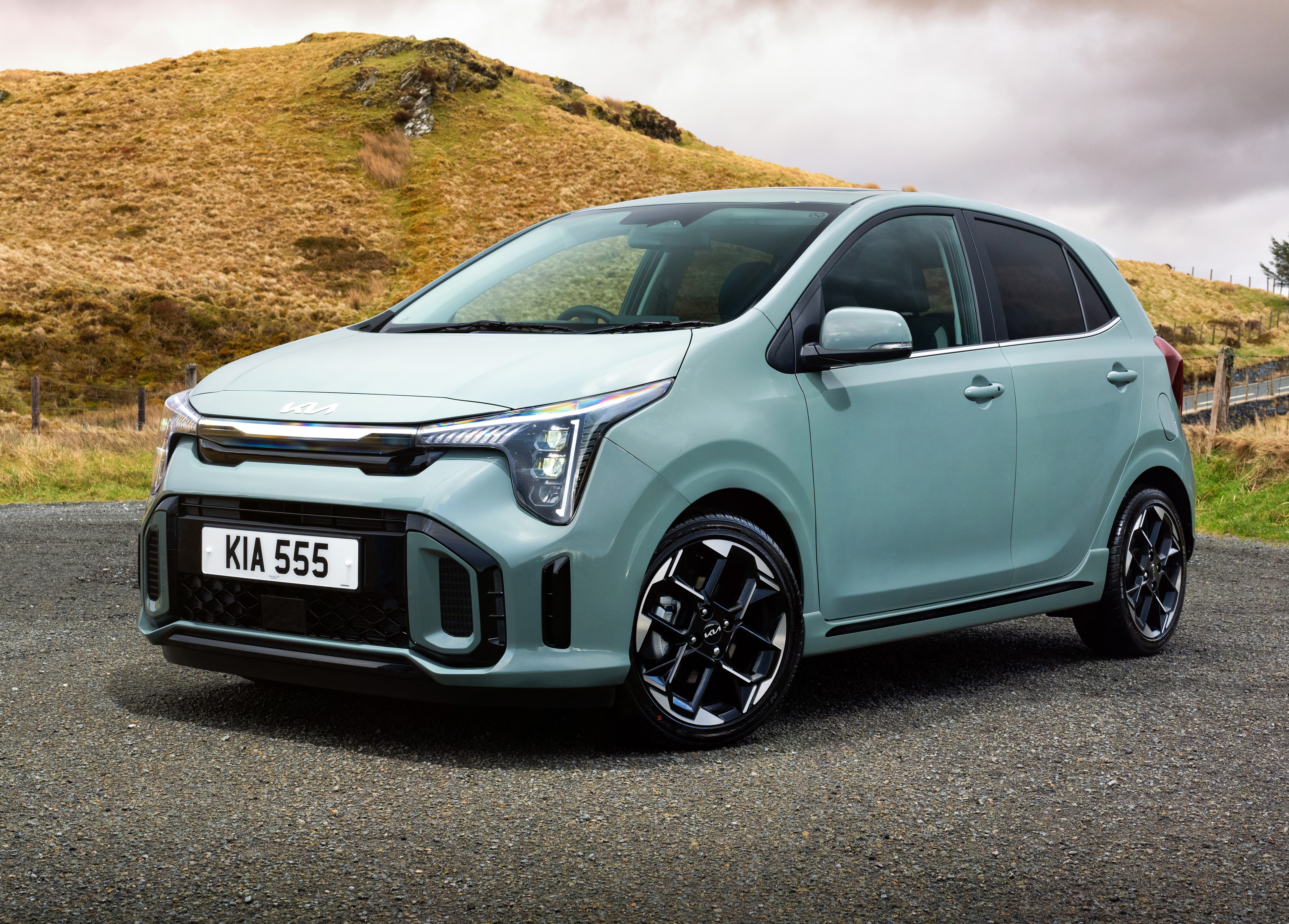
Recent reports suggest the Kia Picanto could be at risk of leaving the UK market by the end of the decade if current electric vehicle rules remain unchanged. Kia UK boss Paul Philpott has warned that the petrol-only Picanto may not be able to stay on sale beyond 2029 under the current direction of the UK’s Zero Emission Vehicle mandate.
That does not just raise questions about one model. It raises a much bigger question for UK drivers: are cheap petrol cars slowly being pushed out?
Why are small petrol cars under pressure?
The main reason is the UK’s transition towards zero-emission motoring. The Government has confirmed that all new cars and vans must be zero emission by 2035, with a pathway designed to gradually increase the number of electric vehicles sold before then.
The ZEV mandate requires manufacturers to sell a rising percentage of zero-emission vehicles each year. In simple terms, car brands are being pushed to sell more EVs and reduce reliance on petrol and diesel models.
That creates a challenge for smaller petrol cars. These models are often built around affordability, so adding hybrid technology, new emissions equipment or extra engineering can make them more expensive to produce. For manufacturers, that can make it harder to justify keeping a low-cost petrol city car on sale.
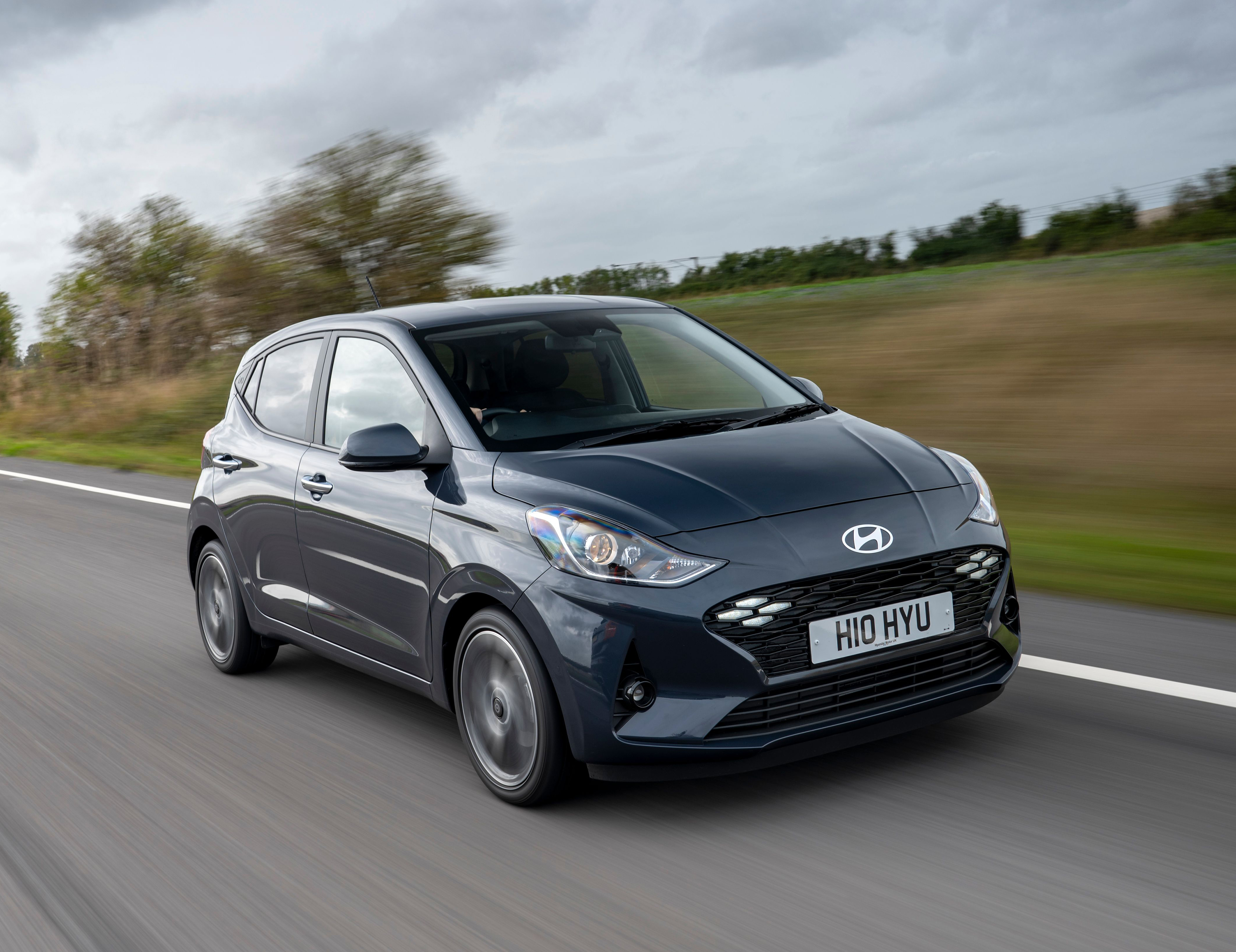
(Hyundai i10)
The problem with affordable cars
Small cars have always played an important role in the UK market. They are usually cheaper to buy or lease, easier to park, better suited to urban driving and often popular with younger drivers, commuters and households looking for a second vehicle.
The problem is that affordable cars are becoming harder to make profitably. As safety technology, emissions rules and electrification costs increase, the cheapest models can become squeezed.
That means manufacturers may start focusing more heavily on larger SUVs, crossovers, hybrids and EVs, where there is more room to absorb the cost of new technology.
So while the petrol city car is not disappearing overnight, the market around it is definitely changing.
EV sales are growing, but not fast enough for everyone
Electric vehicle demand is rising in the UK, but the transition is not completely straightforward. According to the SMMT, the UK new car market rose by 24% in April 2026, while battery electric vehicles achieved a 26.2% market share that month. However, the full-year ZEV share forecast was revised down to 26.8%, showing that EV uptake is still not quite matching the pace expected by regulation.
That matters because manufacturers are being pushed towards EV targets, but many drivers are still weighing up the practical side of switching. Price, range, charging access, insurance, running costs and vehicle choice all still play a part.
For someone who simply wants a cheap, easy petrol car, the market may feel like it is moving faster than their needs.
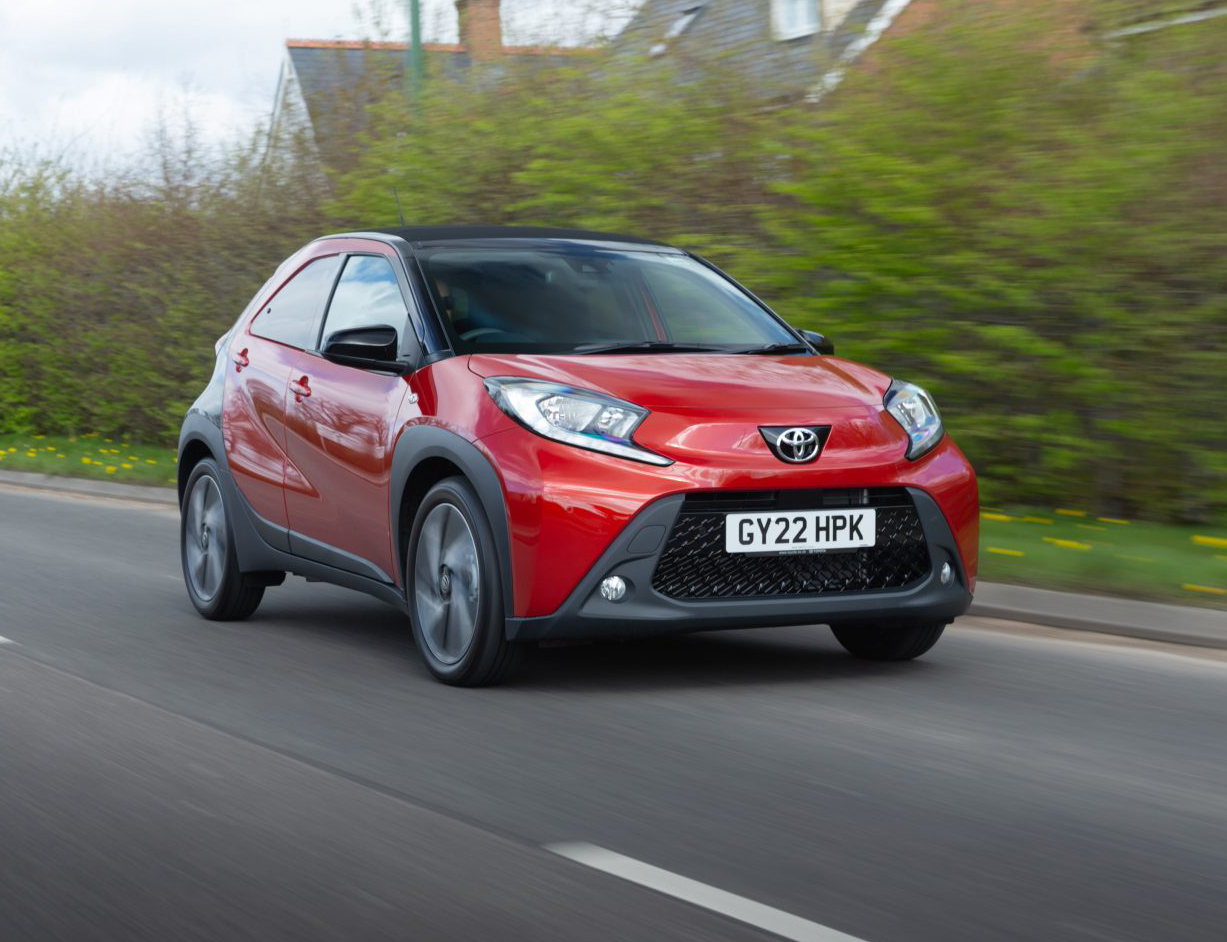
(Toyota Aygo X)
Does this mean petrol cars are being banned?
Not exactly.
The sale of new petrol and diesel cars is being phased out, but existing petrol and diesel cars will not suddenly disappear from the road. Used petrol cars will still be available, and hybrids are expected to play a role during the transition period before the full zero-emission deadline.
The bigger issue is choice. As manufacturers move towards EV targets, drivers may see fewer brand-new petrol-only options, especially at the cheaper end of the market.
That could make small petrol cars less common, more expensive, or gradually replaced by hybrid and electric alternatives.
What could replace the cheap petrol city car?
The most likely replacements will be small EVs, compact hybrids and affordable electric crossovers. We are already seeing more manufacturers working on lower-cost electric models, but price is still the key challenge.
For EVs to properly replace cheap petrol city cars, they need to feel genuinely accessible. That means sensible monthly payments, practical range, easy charging and low running costs.
This is where leasing could become increasingly important. Instead of committing to buying a car outright during a period of major change, leasing gives drivers and businesses a way to stay flexible. As technology develops and more affordable EVs enter the market, leasing can make it easier to move with the market rather than being stuck with a vehicle that may not suit future needs.
What does this mean for drivers?
For drivers, the key takeaway is not panic. Petrol cars are not vanishing tomorrow. But the direction of travel is clear: the UK car market is moving towards electrification, and the cheapest petrol-only models may be among the first to feel the pressure.
If you are looking for your next car, it is worth thinking beyond the badge and asking the practical questions. Do you need petrol, hybrid or electric? How many miles do you do? Can you charge at home or work? Is low monthly cost more important than long-term ownership? Would leasing give you more flexibility?
The answer will not be the same for everyone.
Final thoughts
The possible loss of cars like the Kia Picanto shows how much the UK car market is changing. Affordable petrol cars have been a familiar part of British motoring for decades, but EV rules, manufacturer targets and rising technology costs are reshaping what is available.
For some drivers, petrol may still make sense today. For others, hybrid or electric could already be the smarter option. The important thing is choosing a vehicle that fits your lifestyle, your budget and your future plans.
Credits to Kia Press for image of Kia Picanto
Credits to Hyundai Press for image of Hyundai i10
Credits to Toyota press for image of Toyota Aygo X
Credits to Society of Motor Manufacturers and Traders, Two millionth electric car registered as market rebounds strongly from tax changes, published 5 May 2026.