









AI That Sees Potholes Before You Do? Yeah… It’s Happening
We’ve all been there… cruising along, music on, vibes immaculate… then BANG — you’ve just hit a pothole that felt like it came straight out of nowhere.
Now imagine your car knew it was coming… and adjusted itself before you even got there.
Yeah. That’s not sci-fi anymore.
The Tech That’s Changing the Game
In today’s digital world, car manufacturers aren’t just improving engines or interiors… they’re going straight for the thing that holds it all together — the chassis.
And leading that charge is ZF Friedrichshafen with its bold new concept: Chassis 2.0.
Think of it as the brain and nervous system of your car working together, combining smart hardware, AI, and software to make your drive smoother, safer, and honestly… just smarter.
So… How Does It Actually Work?
One of the standout features is something called AI Road Sense.
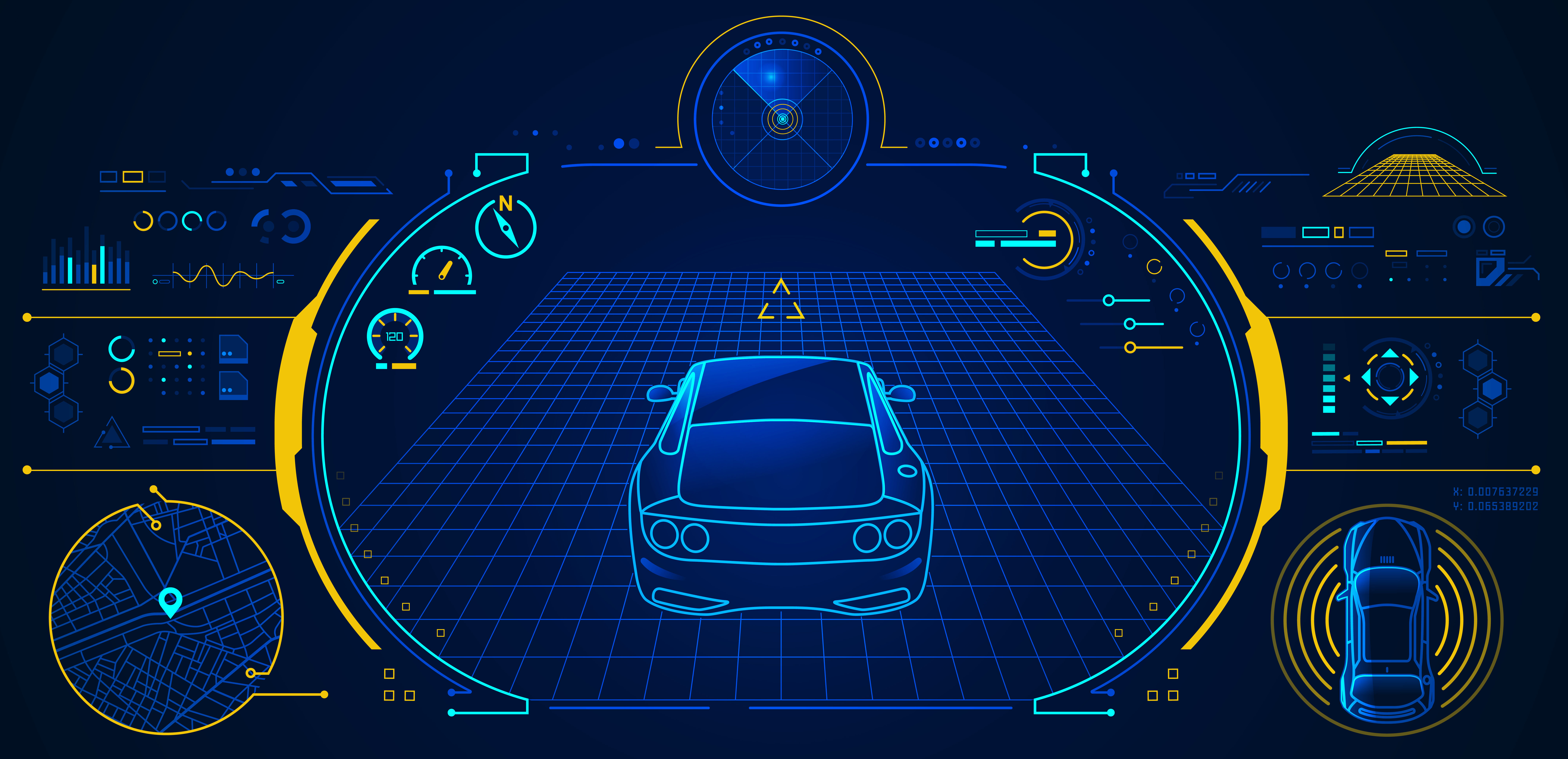
Instead of reacting to bumps after you hit them, it’s constantly analysing the road ahead and making tiny adjustments in real time.
We’re talking suspension changes happening before your wheels even touch rough tarmac.
No drama. No crashy pothole moments. Just smooth driving.
Behind it all is ZF’s Cubix software, basically the control centre that takes data from sensors and tweaks things like damping and torque distribution to match whatever’s coming next on the road.
It’s Not Just Guesswork Either
This kind of tech has been building for a while.
Back in the day, companies like Honda Research Institute USA were already experimenting with systems that could monitor road conditions using cameras and GPS, even sharing that data with authorities to help fix roads faster.
Then you’ve got Nexteer Automotive working with Tactile Mobility to create software that detects things like ice, wet roads, or dry conditions in real time, and shares that info with other drivers through the cloud.
Even Jaguar Land Rover jumped in early, using radar and ultrasonic sensors to scan the terrain ahead and warn drivers about tricky surfaces.
What Makes This Different?
Here’s where ZF levels it up.
Instead of just telling you the road is bad… the car does something about it instantly.
It’s constantly adapting itself, adjusting suspension, handling, and even comfort, all based on what’s coming next.
There’s even a feature called Driver Behaviour Recognition, which learns how you drive and tweaks the setup to match your style.
So yeah… your car basically starts to know you.
Three Levels of Smart
Car manufacturers can choose how advanced they want to go:
Standard – Uses existing vehicle data
Advanced – Adds camera-based road detection
Premium – Goes full futuristic with lidar scanning, creating a 3D view of the road up to 25 metres ahead
So whether it’s a city hatchback or a high-end EV, this tech can scale to fit.
What This Means for Drivers
This isn’t just about comfort… it’s about avoiding damage, improving safety, and making driving feel effortless.
Less wear on your car. Fewer surprises on the road. And a drive that feels way more refined.
And let’s be honest… on UK roads?
That’s a massive win.
The Bottom Line
AI in cars isn’t just about self-driving anymore.
It’s about making everyday driving smarter — handling the little things before they become big problems.
And if your car can dodge potholes before you even see them…
That’s the kind of upgrade we can all get behind.